
Pruning
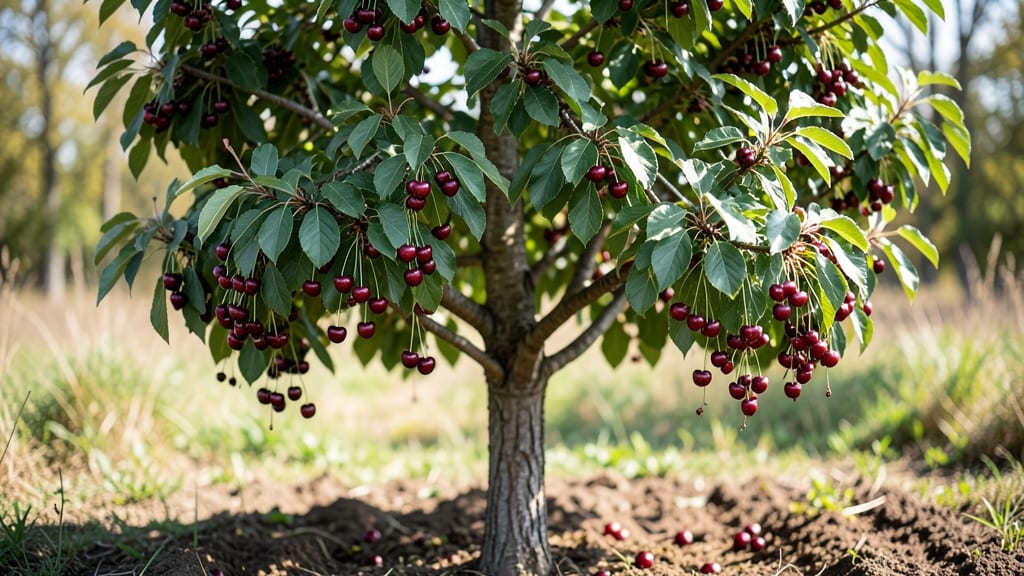
A Bing cherry tree 🍒 can reach heights between 20 and 30 feet at maturity, making it a towering presence in any garden—unless you take steps to manage its growth.
If you're dreaming of a lush Bing cherry tree in your backyard, knowing its mature height is key—because this variety can grow staggering heights, sometimes reaching over 40 feet if left unchecked. But with the right pruning and care, you can keep it at a manageable size for your space.
Standard Bing cherry trees thrive in USDA Zone 6a and beyond, where they can stretch toward the sky, but dwarf varieties stay between 8 and 12 feet, perfect for smaller yards. The difference comes down to pruning, soil quality, and how much space you’re willing to give it.
Below, I’ll break down how to control its height, the best varieties for small spaces, and why pruning at the right time can mean the difference between a tree that dominates your landscape and one that fits beautifully into it.

Bing cherry tree height by variety: how tall will yours grow?
Deciding to plant a Bing cherry tree? One of the first questions I ask myself is about its mature height. This variety isn’t just a tree—it’s a statement piece that can tower over your garden if left unchecked.
Understanding the height variations helps me plan spacing, pruning, and even where to place it in my yard. The good news? With the right care, you can manage its growth to fit your space perfectly.
A standard Bing cherry tree typically reaches 20 to 30 feet tall at maturity, making it a true giant in the backyard. But don’t let that intimidate you—dwarf and semi-dwarf varieties exist, offering more manageable heights for smaller gardens.
Climate also plays a role, as trees in warmer regions may grow slightly taller than those in cooler areas. Let’s break down the specifics so you can make an informed choice.
| Variety | Mature Height | Growth Rate (Annual) | Best For |
|---|---|---|---|
| Standard Bing | 20–30 ft | 1–2 ft | Large gardens, orchards |
| Semi-Dwarf Bing | 12–18 ft | 0.5–1.5 ft | Medium yards, urban gardens |
| Dwarf Bing | 8–12 ft | 0.3–1 ft | Containers, small spaces |
Note: Heights can vary by climate and pruning practices.
If you’re planting a standard Bing cherry tree, expect it to grow 1–2 feet per year during its early years. By year 5, it’ll start slowing down, but it won’t stop growing until it reaches its full height.
That’s why pruning is non-negotiable—it’s the only way to keep it from becoming a skyscraper in your backyard. I’ve seen neighbors struggle with trees that outgrew their space, so planning ahead saves headaches later.
For those with limited space, a dwarf Bing cherry tree is a game-changer. These varieties stay between 8–12 feet tall, making them perfect for containers or small urban gardens. They grow at a slower rate—about 0.3–1 foot per year—so you’ll have more control over their shape and size.
Plus, they fruit earlier, often within 3–5 years of planting, compared to 5–7 years for standard trees.
Climate plays a surprising role in height. Trees in USDA Zones 6–8 tend to grow taller because of longer growing seasons. In cooler climates, like Zone 5, growth may be slower, but the tree will still reach its mature height—just over a longer period.
I once planted a Bing cherry in Zone 6 and watched it shoot up 3 feet in a single summer. That’s why I always recommend checking your local climate data before committing to a variety.
Another factor to consider is soil quality. Rich, well-draining soil encourages faster growth, while poor soil can stunt a tree’s height. I’ve amended my soil with compost and organic matter to give my Bing cherry the best start.
If your soil is heavy or clay-like, consider planting in a raised bed or mound to improve drainage and root health. Healthy roots mean better upward growth, but with proper care, you can guide that growth in the direction you want.
If you’re worried about overcrowding, spacing is critical. A standard Bing cherry needs 20–25 feet of space between it and other trees or structures. Semi-dwarfs need 15–20 feet, while dwarfs can thrive with just 10–15 feet of clearance.
I always sketch a rough layout of my garden before planting to ensure everything has enough room to grow without competing for sunlight or nutrients.
One of the most common questions I hear is, “Can I keep a Bing cherry tree small indefinitely?” The short answer is no—these trees have a natural growth limit based on their variety.
However, you can prune aggressively to maintain a smaller size, though this may reduce fruit production over time. I recommend pruning in late winter or early spring to shape the tree and encourage new growth. Just avoid heavy pruning in summer, as it can stress the tree and invite pests.
For home gardeners, the key takeaway is to choose the right variety for your space. If you love the idea of Bing cherries but don’t have room for a 30-foot tree, a dwarf or semi-dwarf variety is your best bet.
And remember, regular pruning isn’t just about height—it’s about fruit quality, tree health, and keeping your garden looking its best. With the right approach, you can enjoy sweet Bing cherries without sacrificing your outdoor space.
Pruning Bing cherry trees to control height: step-by-step guide
Controlling the height of your Bing cherry tree isn’t just about aesthetics—it’s about ensuring easy harvesting, better airflow to prevent disease, and fitting your tree into your garden layout.
Without proper pruning techniques, your tree could easily reach 25-30 feet, overshadowing your yard and making fruit picking a challenge. The key is timing, tools, and technique.
Pruning at the right time—whether in late winter or early summer—can make all the difference. Winter pruning (dormant season) helps shape the tree’s structure, while summer pruning (after harvest) encourages new growth and controls height.
But timing isn’t the only factor; using the right tools and avoiding common mistakes (like over-pruning or cutting at the wrong angle) will keep your tree healthy and productive.
Step-by-Step Guide to Pruning Bing Cherry Trees for Height Control
-
Step 1: Choose the Right Time
- Late winter (before buds swell) for structural pruning
- Early summer (after harvest) for height control
-
Step 2: Gather Your Tools
- Sharp pruning shears for small branches
- Loppers for medium branches (½–2 inches thick)
- Pruning saw for thick branches (2+ inches)
- Disinfectant (rubbing alcohol) to sterilize tools
-
Step 3: Remove Dead or Diseased Branches
- Cut dead wood at the branch collar
- Remove branches with signs of disease (fungus, cankers)
- Avoid leaving stubs—cut just outside the branch collar
-
Step 4: Thin the Canopy
- Remove crossing or rubbing branches
- Target branches growing inward or downward
- Leave outward-facing branches for sunlight penetration
-
Step 5: Control Height by Heading Back
- Cut new vertical growth back by ⅓ to encourage branching
- Avoid cutting into old wood—focus on current season’s growth
- For dwarf varieties, limit height to 8–12 feet with regular pruning
-
Step 6: Clean Up and Monitor
- Rake up and dispose of pruned branches (don’t compost diseased wood)
- Apply wound dressing (optional) to large cuts
- Water deeply after pruning to reduce stress
One of the biggest mistakes gardeners make is over-pruning in a single session, which can stress the tree and reduce fruit production. Instead, spread pruning over 2-3 sessions if needed, especially for young trees.
Also, avoid pruning during wet or rainy weather, as this increases the risk of fungal infections like silver leaf disease.
For dwarf Bing cherry varieties, which max out at 8–12 feet, you’ll need to prune more aggressively in the first few years to maintain their compact size.
Focus on removing vertical leaders early to encourage a bushier shape. Remember, the goal is to balance height with fruit production—never sacrifice too many fruiting branches for aesthetics.
With consistent pruning, your Bing cherry tree will stay at a manageable height while still producing abundant, sweet cherries for years to come. Start small, observe how the tree responds, and adjust your approach as it grows—your future harvests will thank you! 🍒✂️🌳