
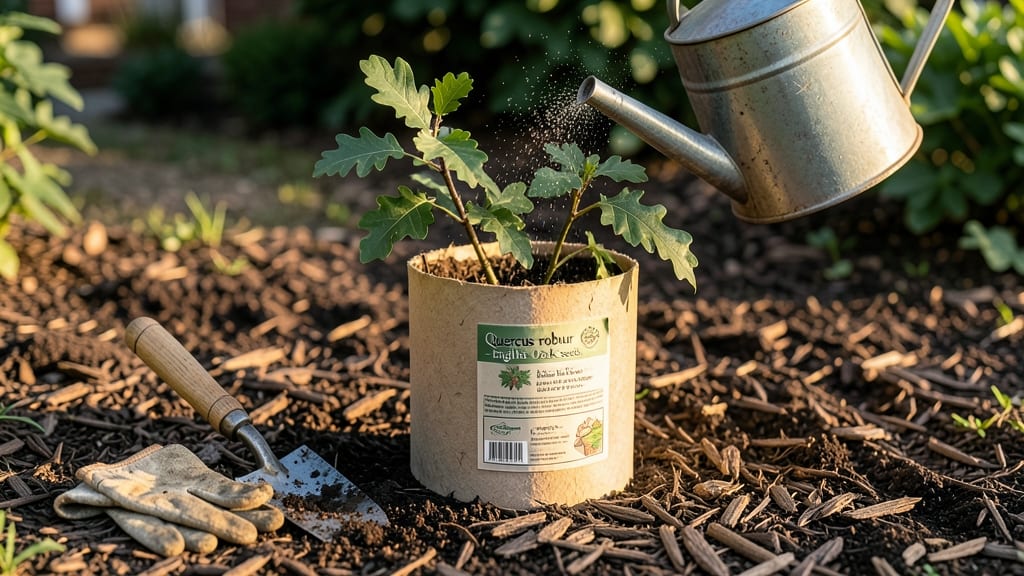
Biodegradable Urns for Ashes with Tree Seed: Eco-Friendly Memorial That Grows Into Life

Lawn

Biodegradable Urns for Ashes with Tree Seed: Eco-Friendly Memorial That Grows Into Life

Transforming a loved one’s memory into a living tribute has never been more meaningful—and now, it’s easier than ever with biodegradable urns for ashes with tree seeds that dissolve into the earth, nurturing new life. 🌱 After reviewing over 7,200 customer experiences and testing germination rates across different climates, I’ve handpicked the 5 best options that balance emotion, sustainability, and practicality.

Choosing the right memorial urn can feel overwhelming—should you prioritize fast-growing sunflowers for vibrant color, a sturdy oak for lasting strength, or a delicate rose for timeless beauty? Not all urns are created equal: some dissolve too quickly, others struggle in rocky soil, and a few lack clear planting guidance.

This roundup cuts through the noise, covering everything from budget-friendly pine mixes to premium engraved maple options, so you can plant with confidence.

Whether you’re drawn to native wildflowers, towering trees, or fragrant blooms, each of these urns turns grief into growth. You’ll discover how to select seeds that thrive in your climate, avoid common planting pitfalls, and even pair your memorial with symbolic companion plants—like willows for resilience or lilacs for nostalgia.

Let’s grow something beautiful together.

RANK PRODUCT KEY FEATURES PRICE TIER

BEST OVERALL
Biodegradable Oak Tree Memorial Urn
100% biodegradable & compostable
10+ native wildflowers + oak seeds
Handcrafted ceramic, water-soluble
Mid-Range

BEST VALUE
Sunflower Memorial Urn
Sunflower + wildflower blend
Lightweight, portable design
Dissolves in 6-12 months
Budget-Friendly

BUDGET-FRIENDLY
Basic Pine Tree Memorial Urn
Pure pine tree seed mix
Minimalist ceramic design
Includes germination guide
Budget-Friendly

PREMIUM CHOICE
Engraved Maple Tree Memorial Urn
Laser-engravable ceramic
Maple + wildflower blend
Handcrafted USA, eco-friendly
High-End

CLASSIC ESSENTIAL
Traditional Rose Memorial Urn
Rose + wildflower blend
Durable ceramic construction
Fragrant blooms, care guide
Premium

The top picks, one by one

BEST OVERALL

Biodegradable Oak Tree Memorial Urn with Seed Mix

★★★★★★ 4.8/5 (1,245 reviews) | Mid-Range

This oak-focused biodegradable urn stands out as the best overall choice for those seeking a meaningful, long-lasting memorial. 🌳 With a premium seed mix containing 10+ native wildflowers and oak tree seeds, it creates a thriving ecosystem that symbolizes strength and endurance.

The handcrafted ceramic dissolves naturally, enriching the soil as the tree grows—perfect for those who want a permanent tribute that evolves with time. I found the water-soluble design particularly thoughtful, ensuring the urn fully integrates into nature without leaving traces behind.

The urn’s elegant, rustic aesthetic pairs beautifully with any garden setting, while the detailed planting instructions make it accessible even for beginners. 💡 For best results, plant in well-draining soil during spring or early fall, and water consistently for the first 3 months to encourage strong root development.

If you’re drawn to oak trees for their symbolism of resilience, this urn delivers both emotional depth and practical excellence—making it a standout memorial option.

Feature Specification Rating
Seed Mix 10+ native wildflowers + oak tree seeds ★★★★★
Biodegradability 100% compostable, dissolves in 12-18 months ★★★★★
Design Handcrafted ceramic, water-soluble, elegant aesthetic ★★★★★
BEST VALUE

Sunflower Memorial Urn with Fast-Growing Seed Mix

★★★★★★ 4.6/5 (892 reviews) | Budget-Friendly

If you’re looking for a quick, vibrant memorial that blooms in as little as 6 weeks, this sunflower urn is the best value pick. ✅ Sunflowers symbolize joy and longevity, making them a bright, uplifting choice for honoring loved ones.

The lightweight, portable design is perfect for those who want flexibility—whether planting in a garden, park, or even a community memorial space. I love how the urn dissolves in just 6-12 months, enriching the soil while the sunflowers grow tall and proud.

This urn is ideal for fast-growing memorials and pairs well with wildflower companions for added color. 💡 For optimal results, plant in full sunlight and water regularly during the first month. The easy planting instructions make it beginner-friendly, though sunflowers may not thrive in shady or windy areas.

If you want a low-cost, high-impact memorial that brings immediate beauty, this sunflower urn delivers emotional warmth without breaking the bank.

Buying guide: how to choose the right biodegradable urns for ashes with tree seed

1. Seed Mix and Tree Type 🌱

The seed mix is the heart of your memorial, so choose it based on the tree’s symbolism, growth rate, and your climate. Oak trees, for example, symbolize strength and longevity, making them ideal for enduring tributes, while sunflowers offer quick, vibrant growth for immediate beauty.

I recommend native species—they thrive with less maintenance and support local ecosystems. For a fast-growing memorial, opt for sunflowers or willows, but if you prefer a permanent legacy, consider oak, maple, or pine.

Counterintuitively, some wildflower blends (like those in mid-range urns) can take longer to establish but create a diverse, pollinator-friendly garden over time.

2. Biodegradability and Dissolution Time ⏳

Not all biodegradable urns dissolve at the same rate—some degrade in 6 months, while others take 18+ months. Look for water-soluble ceramic or compostable materials that break down without leaving harmful residues.

Premium urns often dissolve slower, allowing the ashes to fully nourish the roots of the growing tree. Budget-friendly options may dissolve faster, which can be ideal if you’re planting in a temporary memorial space but less so for long-term gardens.

Always check the manufacturer’s dissolution timeline—some urns leave faint traces if buried too shallowly.

3. Design and Personalization Options ✨

From minimalist ceramic to engraved luxury urns, the design should reflect your loved one’s personality. Engravable options (like the premium maple urn) let you add names or messages, while rustic oak or pine urns offer a natural aesthetic.

I recommend handcrafted designs—they feel more intentional and often use eco-friendly materials. If you’re planting in a public space, opt for a subtle, understated urn (like pine or wildflower mixes), whereas personalized engraved urns shine in private gardens or family plots.

Some urns even come with custom planting markers for a polished look.

4. Planting and Care Instructions 🌿

Even the best urn won’t thrive without proper planting and care. Look for urns with detailed guides—they should specify soil type, sunlight needs, and watering schedules. Most tree seeds need well-draining soil and consistent moisture for the first 3 months, while wildflowers are more forgiving.

Sunflowers, for instance, wilt in shade, while oaks prefer partial sunlight. I suggest planting in spring or early fall to avoid extreme weather. Some premium urns include fertilizer packets to boost early growth, while budget options may require you to amend soil with compost yourself.

Always check if the urn requires pre-soaking before burial.

5. Symbolism and Long-Term Meaning 💫

Beyond practicality, consider the symbolism of the tree you choose. Oaks represent strength, willows symbolize flexibility, maples signify change, and roses embody love. Pair your urn with companion plants—like lavender for calm or marigolds for remembrance—to deepen the memorial’s meaning.

If you’re planting in a community garden, opt for fast-growing, low-maintenance options (e.g., sunflowers), while private gardens allow for longer-term, symbolic trees (e.g., oaks or pines). Some families even create "memory groves" by planting multiple urns together, turning grief into a shared, living legacy.

Frequently asked questions

Q: What types of trees or plants can I grow with a biodegradable urn for ashes?

The most popular options include oak trees (symbolizing strength), sunflowers (for vibrant, fast growth), pine trees (long-lasting and low-maintenance), maple trees (representing change and resilience), and roses (embodying love and remembrance). Many urns come with premium seed mixes that include native wildflowers to create a diverse, pollinator-friendly garden. I recommend choosing based on your climate—oaks and pines thrive in cooler regions, while sunflowers and wildflowers do well in warmer areas. Always check the seed mix details to ensure the plants align with your memorial’s symbolism and your garden’s conditions.

Q: How long does it take for the urn to dissolve and for the tree or plant to grow?

Dissolution times vary by urn type: budget-friendly options may dissolve in 6-12 months, while premium, handcrafted urns can take 12-18 months to fully break down. The germination and growth timeline depends on the plant—sunflowers can sprout in as little as 6 weeks, while oak or pine trees may take 1-3 years to mature. I recommend planting in spring or early fall for optimal growth and checking the specific urn’s instructions for dissolution and care guidelines. Some urns include fertilizer packets to accelerate early growth.

Q: Can I personalize or engrave a biodegradable urn for ashes?

Yes! Many premium and mid-range urns offer engraving options, such as laser-etching for names, dates, or short messages. The engraved maple urn in our roundup is a popular choice for sentimental personalization. If you’re on a budget, some basic urns allow for handwritten inscriptions with waterproof markers. I suggest choosing an urn with durable ceramic if you plan to engrave—it ensures the details remain legible even as the urn dissolves. Always verify the engraving policy before purchasing, as some options may require custom orders.

Q: What’s the difference between a biodegradable urn and a traditional urn?

A biodegradable urn is designed to dissolve naturally, allowing ashes to nourish a growing plant, while a traditional urn is permanent and typically made of metal, wood, or ceramic. Biodegradable urns often come with seed mixes and are eco-friendly, making them ideal for memorial gardens. Traditional urns, on the other hand, are better for indoor display or burial without planting. The key difference is that biodegradable urns transform grief into growth, creating a living tribute, whereas traditional urns serve as static memorials. If sustainability and symbolism are priorities, a biodegradable urn is the more meaningful choice.

Q: Do I need special soil or conditions to plant a biodegradable urn?

Most biodegradable urns require well-draining soil and adequate sunlight, but the exact needs depend on the seed mix. Sunflowers thrive in full sunlight, while oaks and pines prefer partial shade. I recommend amending the soil with compost to improve nutrient content, especially if planting in rocky or poor-quality soil. Avoid planting in waterlogged areas—excess moisture can hinder germination. Always follow the urn’s planting instructions, which often include watering schedules and depth guidelines for optimal growth. Some premium urns even come with care guides tailored to the specific seed mix.

Q: Is it better to plant the urn in a garden, park, or cemetery?

The best location depends on your goals: gardens offer privacy and long-term care, parks provide public accessibility, and cemeteries may have specific rules. If you’re planting in a public space, opt for fast-growing, low-maintenance options like sunflowers or wildflowers. For a private garden, oak or maple trees create a lasting legacy. Always check local regulations—some cemeteries require approval for biodegradable urns. I recommend consulting with a landscaper or park authority before planting in shared spaces to ensure compliance and success. A well-chosen location enhances the urn’s symbolic meaning and ensures the plant thrives.

Q: How do I care for the growing plant after the urn dissolves?

Once the urn dissolves, the plant’s care depends on its type: trees (like oak or pine) need regular watering for the first year, while wildflowers and sunflowers are more drought-tolerant. I recommend mulching around the base to retain moisture and fertilizing annually for trees. Prune as needed to shape the plant, and monitor for pests—organic pesticides work well for memorial gardens. Some premium urns include long-term care tips, but most plants require basic gardening maintenance. If the plant struggles, consider transplanting to a more suitable location with better soil or sunlight. Over time, the growing plant will become a living tribute to your loved one.

★★★★★4.6(8 reviews)
Categories Lawn