
How To
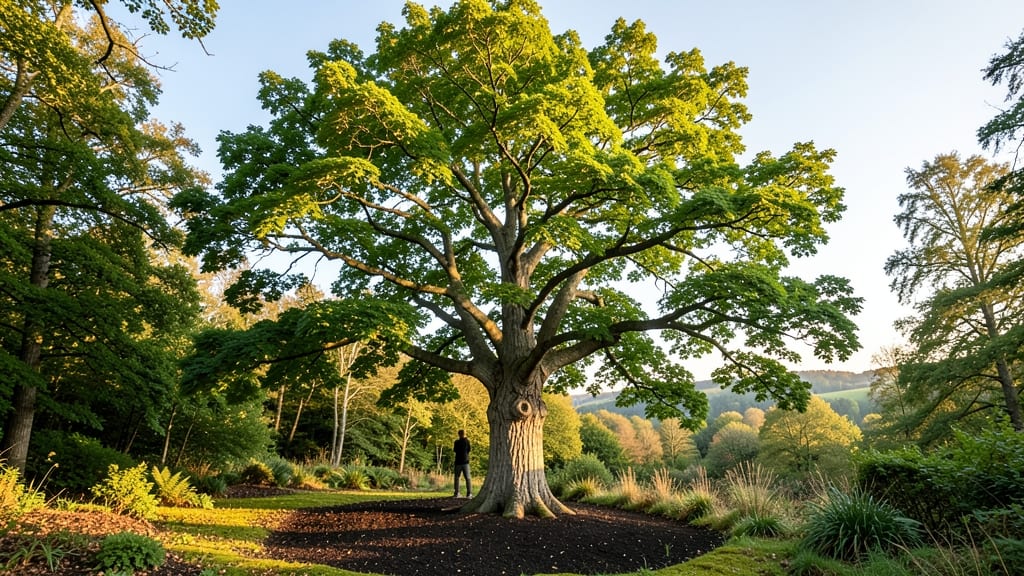
How tall does an ash tree grow? A mature ash tree 🌳 can reach between 40 and 80 feet, making it a dramatic statement piece in any landscape—but not every yard has the space for one.
Picture this: a 60-foot tree casting shade over your patio in 20 years, its branches brushing your roof or blocking your neighbor’s view. That’s the reality for most ash species, but the good news? Some stay far more manageable.
Whether you’re designing a suburban backyard or an urban courtyard, understanding an ash tree’s height range is the first step to choosing the right variety for your space. Below, we’ll break down the fastest-growing species, how to control height with pruning, and which compact options won’t overwhelm your property.
You’ll also learn how to estimate growth before planting, so you can plan for shade, power lines, and long-term aesthetics—without surprises down the road.

Ash tree height by species: fastest-growing varieties that skyrocket
If you're dreaming of a towering ash tree that will dominate your landscape, you're in the right place. Ash trees are known for their impressive height, but not all species grow at the same rate or reach the same mature height.
The White Ash and Green Ash are famous for their rapid growth, while Black Ash offers a slightly more modest stature. Understanding these differences helps you choose the perfect variety for your space and climate.
For gardeners in USDA Zones 4-9, ash trees thrive, but their height potential varies dramatically. Some varieties can grow over 80 feet tall, while others stay under 50 feet. The key to maximizing height lies in selecting the right species for your region and providing optimal growing conditions.
Let's dive into the tallest ash tree varieties that will make your landscape feel like a forest retreat.
| Species | Mature Height | Growth Rate | Ideal Climate | Height Potential |
|---|---|---|---|---|
| White Ash | 70–80 ft | 2–3 ft/year | Zones 4–9 | Skyscraper potential |
| Green Ash | 60–75 ft | 2–2.5 ft/year | Zones 3–9 | Fastest-growing ash |
| Black Ash | 40–50 ft | 1–2 ft/year | Zones 3–8 | Modest but sturdy |
| Blue Ash | 50–60 ft | 1.5–2 ft/year | Zones 4–9 | Balanced growth |
The White Ash is the undisputed champion for height, often reaching 70–80 feet with a growth rate of 2–3 feet per year. This makes it one of the fastest-growing deciduous trees in North America.
If you're in USDA Zones 4–9, this species will thrive and dominate your landscape with its towering presence. Its straight trunk and dense canopy make it a favorite for large properties and urban parks.
For those who want a slightly shorter but still impressive tree, the Green Ash is an excellent choice. It grows 60–75 feet tall and is known for its exceptional adaptability.
This species is perfect for urban environments and areas with poor soil conditions, making it a versatile option for gardeners in Zones 3–9. Its rapid growth rate of 2–2.5 feet per year ensures it will quickly become a focal point in your yard.
If you're looking for a more compact yet still substantial ash tree, the Black Ash is a great alternative. It typically reaches 40–50 feet tall and grows at a slower rate of 1–2 feet per year.
This species is ideal for gardeners in Zones 3–8 who want a tree with a sturdy structure and attractive foliage. Its slower growth makes it easier to manage in smaller spaces while still offering a significant presence.
Another standout is the Blue Ash, which strikes a balance with a mature height of 50–60 feet and a growth rate of 1.5–2 feet per year. This species thrives in Zones 4–9 and is known for its durable wood and vibrant foliage.
It’s a fantastic choice for gardeners who want a tree that’s both tall and manageable, offering a mix of beauty and practicality.
When planning your landscape, consider the mature height of the ash tree you choose. A White Ash or Green Ash will create a dramatic skyline, while a Black Ash or Blue Ash offers a more balanced look.
Always ensure you have enough space for the tree to grow to its full potential, as overcrowding can stunt growth and lead to health issues. Proper spacing and care will help your ash tree reach its full height potential.
To maximize height, plant your ash tree in well-draining soil with full sun exposure. Regular watering during the first few years is crucial, especially in drought-prone areas. Mulching around the base of the tree will also encourage strong root development, which supports taller growth.
With the right conditions, your ash tree will grow into a majestic centerpiece for your garden.
Before planting, check
How to estimate ash tree height before planting: key factors that influence growth
Estimating an ash tree's mature height before planting requires understanding how five key factors interact: your local climate, soil quality, sunlight exposure, spacing, and pruning habits.
Unlike static measurements, ash trees respond dynamically to these variables—meaning a 60-foot tree in one yard could grow only 40 feet just a few miles away. Let's break down how each factor influences growth so you can make an informed planting decision.
Your USDA hardiness zone plays a critical role in determining an ash tree's height potential.
Trees in zones 5-8 (where most ash species thrive) can reach their full height of 70-80 feet, while those in colder zones (like zone 4) may max out at 50-60 feet due to slower growth rates.
For example, a White Ash in Michigan might grow 20% taller than the same tree planted in Maine. Always check your local frost dates—early springs accelerate early growth spurts.
| Factor | Impact on Height | Growth Adjustment |
|---|---|---|
| Soil Type | Well-drained, loamy soil | +20-30% height potential |
| Clay/Compacted Soil | Restricted root growth | -15-25% height potential |
| Sunlight Exposure | Full sun (6+ hours) | +15-20% height potential |
| Partial Shade | Slower vertical growth | -10-15% height potential |
| Pruning Frequency | Annual structural pruning | -5-10% height potential |
| No Pruning | Unrestricted vertical growth | +0-5% height potential |
| Spacing from Structures | 30+ feet from buildings | Full height potential |
| 15-20 feet from structures | Root competition | -20-30% height potential |
Soil quality directly impacts an ash tree's height by affecting root development and nutrient uptake. Well-drained loamy soil with organic matter can boost height potential by 20-30%, while clay-heavy or waterlogged soil restricts growth by 15-25%.
Before planting, conduct a simple soil test—aim for a pH between 6.0-7.5. Amending compacted soil with compost or sand can improve drainage and encourage taller growth. Remember, roots need oxygen as much as they need water!
Sunlight exposure is another game-changer. Ash trees thrive in full sun (6+ hours daily), which can increase height potential by 15-20% compared to partial shade. However, in urban areas with limited sunlight, consider planting a Green Ash—it's more shade-tolerant and still reaches 50-60 feet.
Always face the tree toward the south or west for maximum sunlight exposure during critical growing months (April-June).
Proper spacing is often overlooked but critical for height control. Plant ash trees at least 30 feet from buildings, power lines, and other structures to avoid root competition. If you're working with limited space, opt for dwarf varieties like 'Autumn Purple,' which max out at 20-25 feet.
Even with standard varieties, regular pruning (every 2-3 years) can reduce height by 5-10% while maintaining a healthy canopy. Use drop crotch pruning to encourage lateral growth.
Finally, regional climate plays a subtle but significant role. Trees in humid climates (like the Southeast) grow faster and taller due to consistent moisture, while those in drier regions (like the Southwest) may grow more slowly.
Always factor in your local rainfall patterns—supplemental watering during droughts can help maintain height potential. For accurate estimates, consult your cooperative extension service for localized growth data.
By accounting for these five factors, you can estimate an ash tree's mature height within ±10 feet of its actual size. Start with conservative estimates if your space is limited, and always leave room for growth—ash trees are long-lived investments that will shape your landscape for decades to come! 🌳