
How To
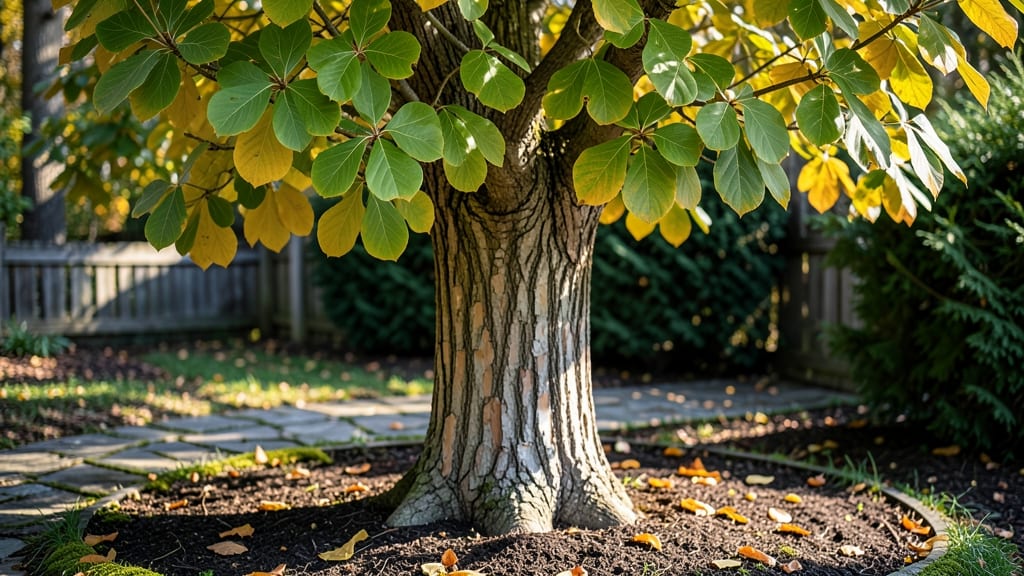
A tulip tree 🌳 can grow between 40 and 70 feet tall—taller than a four-story building—if given the right conditions, making it one of the fastest-growing shade trees around.
If you’ve ever dreamed of a towering shade tree that grows faster than your patience for waiting, the tulip tree (Liriodendron tulipifera) might be your answer—but how tall can it really get?
The answer depends on where you live, how much space you have, and whether you’re okay with a little pruning to keep it in check.
In ideal conditions—think deep, well-drained soil and full sun—these trees can shoot up 3 to 5 feet per year in their early years.
That’s fast enough to cast shade over your backyard in just a few seasons, but it also means you’ll need to plan for long-term space if you’re planting one near your home.
Below, I’ll break down the factors that influence height, the fastest-growing varieties, and how to manage its growth so it stays within your property lines without sacrificing its majestic presence.

Tulip tree height limits: how tall can they grow in ideal conditions?
If you’ve ever dreamed of a towering shade tree that grows faster than your patience for waiting, the tulip tree (Liriodendron tulipifera) might be your answer—but how tall can it really get?
In perfect conditions, these majestic trees can reach 70–90 feet tall, often surpassing even the tallest oaks in your neighborhood. Their rapid growth rate of 3–5 feet per year makes them one of the fastest-growing hardwood trees in North America.
The tulip tree’s mature height isn’t just about genetics—it’s heavily influenced by climate, soil quality, and sunlight exposure. In USDA zones 6–9, where they thrive, these trees can hit their full potential, while cooler or drier regions may limit their growth to 50–60 feet.
Understanding these factors helps you plan for their skyward journey before planting.
Here’s a quick breakdown of what to expect from a tulip tree’s growth trajectory, including how it compares to other giant trees like white oaks (60–80 ft) and sugar maples (40–70 ft). The summary-table below highlights key growth benchmarks to help you visualize their impressive stature.
One of the most exciting aspects of growing a tulip tree is its rapid early growth. In their first decade, these trees can add 30–50 feet to their height, making them a favorite for gardeners seeking quick shade.
This outpaces many other shade trees, like sycamores (2–3 feet/year) or red maples (1–2 feet/year), which take decades to reach similar heights.
The climate zone plays a crucial role in determining how tall your tulip tree will grow. In warmer southern regions (USDA zones 7–9), trees often reach their maximum height of 70–90 feet because of longer growing seasons and richer soils.
Meanwhile, in cooler northern zones (USDA zones 4–6), growth may slow to 50–60 feet due to shorter summers and frost risks.
Soil quality is another game-changer for tulip tree height. These trees thrive in well-drained, slightly acidic soil (pH 5.0–6.5) with ample organic matter. If your soil is clay-heavy or compacted, roots struggle to spread, limiting the tree’s ability to reach its full height.
Amending soil with compost or sand can give your tulip tree the boost it needs to grow taller.
Sunlight exposure directly impacts a tulip tree’s growth rate. While they can tolerate partial shade, they reach their fastest growth rates (4–5 feet/year) in full sun (6+ hours/day). In shadier conditions, growth may slow to 1–2 feet/year, resulting in a shorter, bushier tree.
If you’re planting one for privacy or shade, prioritize a sunny, open location to maximize its height potential.
Pruning can also influence a tulip tree’s height, though it’s not typically done to stunt growth. Instead, pruning removes dead or diseased branches and shapes the tree for safety. Avoid heavy pruning in early years, as it can slow vertical growth by redirecting energy to lateral branches.
If you’re concerned about height, focus on proper spacing (40–60 feet from structures) and soil health rather than pruning.
Before planting a tulip tree, consider your property size and landscape goals. A mature tree’s canopy width of 30–50 feet means it needs plenty of space to avoid crowding other plants or structures.
In urban settings, smaller cultivars like 'Arnold' (a columnar variety) can reach 40–50 feet while fitting tighter spaces. Always check local tree height regulations if planting near power lines or sidewalks.
If you’re ready to welcome a tulip tree into your landscape, start by choosing a
Fastest-growing tulip tree varieties for quick shade and privacy
When you're craving fast shade and privacy, not all tulip trees grow at the same speed. Some cultivars shoot up 3–5 feet per year, while others take their time. The fastest-growing varieties like 'Arnold' and 'Fastigiatum' are game-changers for urban yards or rural properties where space is limited.
These towering beauties can reach 50–70 feet in just a decade or two with the right care.
If you're in USDA zones 4–9, you're in luck—these varieties thrive across the eastern U.S. and beyond. Whether you're planting for quick privacy or to shade a large patio, choosing the right cultivar makes all the difference.
Let’s dive into the top performers and how to maximize their growth potential in your space.
'Arnold' is the speed champion of tulip trees, shooting up 4–5 feet annually in ideal conditions. This columnar variety is perfect for narrow spaces, reaching 50–60 feet tall while staying relatively compact. It’s also disease-resistant, making it a low-maintenance pick for urban gardens where space is tight. Plant it in well-drained soil and full sun to see the fastest results.
For rural properties with more room to grow, 'Fastigiatum' is a standout. This upright, vase-shaped tree grows 3–4 feet per year and can top out at 70 feet if given the space.
It’s hardier in colder zones (USDA 4–6) and handles partial shade better than most cultivars, making it versatile for different landscapes.
If you're in a warmer climate (USDA 7–9), consider 'Aureomarginatum', a golden-leafed variety that grows 2–3 feet per year but adds stunning foliage contrast to your yard. While it’s not the fastest, its unique color and moderate growth rate make it a favorite for ornamental plantings.
Pair it with mulch and regular watering to keep it thriving.
To maximize height in any setting, prioritize full sun exposure, deep watering, and annual fertilization with a balanced 10-10-10 mix. Avoid over-pruning young trees—let them grow tall naturally for the first 5–7 years.
In urban areas, choose 'Arnold' for its compact form, while rural spaces can accommodate the taller, broader varieties like 'Fastigiatum'.