
Pruning
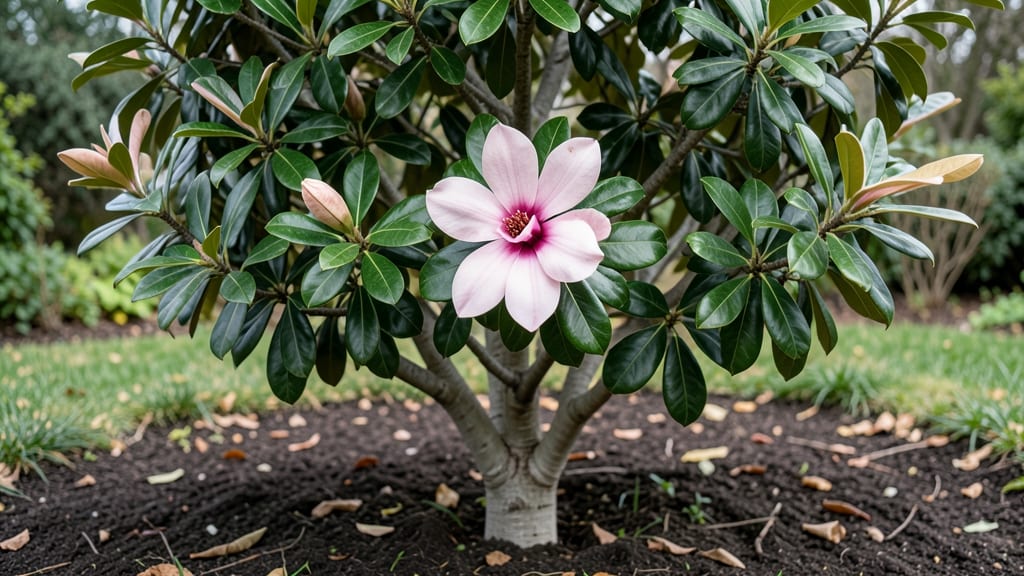
Caring for an Ann Magnolia tree transforms your yard into a springtime spectacle—those fragrant, cup-shaped blooms arrive earlier than any other tree in my neighborhood. 🌸 The key to keeping yours healthy for decades starts with understanding its unique needs, from the moment you plant it to the final pruning of the year.
These trees hate being moved once established, so pick a permanent spot with full sun to partial shade and well-draining soil. My first Ann Magnolia nearly died from soggy roots—never let it sit in wet soil.
Water deeply once a week after planting, then taper off as roots establish, which takes about 12 months. Mulch helps retain moisture and protects shallow roots from winter cold.
Pruning isn't just about shaping—it's about encouraging those iconic blooms. Cut back dead or crossing branches in late winter before buds swell, and lightly shape in summer after flowering. Avoid heavy pruning; Ann Magnolias bloom on last year's growth, so over-pruning means fewer flowers next spring.
With the right care, your tree will reward you with 20+ years of stunning spring displays.
Watch for scale insects and powdery mildew, which love these trees. A quick spray of horticultural oil in early spring keeps pests at bay. The real secret? Patience. Ann Magnolias grow slowly but steadily—giving them consistent care turns them into the showstopper of your landscape, year after year.
📚 In This Guide
- What you need
- Instructions
- Tips and common mistakes
- Wrapping up and next steps
What you need
- ● Pruning shears: Bypass pruners (for cuts up to ½ inch thick) – 1 pair (look for sharp, ergonomic models like blank">Felco F-2 or blank">Gonicc G08).
- ● Loppers: Bypass or anvil loppers (for cuts ½ to 1.5 inches thick) – 1 pair (e.g., blank">Corona SL2).
- ● Pruning saw: Curved-tooth pruning saw (for branches >1.5 inches thick) – 1 (e.g., blank">Fiskars X27).
- ● Disinfectant: 70% isopropyl alcohol or blank">pruning sealant (e.g., blank">Tanglefoot Pruning Seal) – small bottle (to prevent disease spread).
- ● Gloves: Heavy-duty gardening gloves (cut-resistant) – 1 pair (e.g., blank">Felco 1001).
- ● Safety gear: Safety glasses and long sleeves/pants (to protect from sap and debris).
- ○ Extension pole: Telescoping pole (10–12 feet) with pruner attachment – 1 (optional but helpful for tall trees).
- ● Trash bags: Heavy-duty bags (for debris disposal) – 2–3.
- ● Marking twine or flags: For tagging branches to prune (e.g., blank">color-coded flags).
- ● Tree wound dressing: (e.g., blank">Tanglefoot Tree Wound Pruning Paste) – small tube (controversial but some swear by it for large cuts).
- ● Ladder: Sturdy, extendable ladder (if tree exceeds 10 feet) – 1 (ensure it’s rated for outdoor use).
- ● Camera or sketchbook: To document pruning decisions before/after.
- ● Pruning guide: A blank">tree pruning chart for reference (especially for Ann magnolias, which bloom on old wood!).
- ● ✅ Timing: Prune Ann magnolias immediately after flowering (late spring) or in early summer to avoid cutting off next year’s blooms.
- ● ✅ Weather check: Choose a dry, overcast day to minimize stress on the tree.
- ● ✅ Tree health assessment: Inspect for diseased or dead branches before pruning (remove these first!).
- ● ✅ Plan your cuts: Sketch a rough map of branches to remove (aim for 25% or less of the tree’s canopy per year).
Instructions for year-round Ann magnolia tree care
Here’s my go-to approach for keeping your Ann magnolia thriving through every season—no complex tools, just smart timing and technique.
✂️ Step 1: Late Winter Pruning for Structure
Start your annual pruning in late winter (just before buds swell) when the tree is dormant. This is the best time to remove dead, crossing, or weak branches—they’re easy to spot without leaves obscuring the view. I always begin by removing any branches that rub against each other, as these create wounds that invite disease.
Use clean, sharp pruning shears to make cuts just outside the branch collar (the swollen area where the branch meets the trunk). Avoid leaving stubs—this prevents decay and encourages strong regrowth. For larger branches thicker than ½ inch, switch to loppers and make the cut on the underside of the branch to avoid tearing the bark.
☀️ Step 2: Spring Growth Monitoring and Light Pruning
Once new leaves emerge in early spring, focus on thinning out crowded branches to improve airflow and sunlight penetration. Ann magnolias produce dense foliage, and too much shade at the base can weaken the tree. Look for branches growing inward or upward—these compete for resources and should be removed at their point of origin.
Here’s the thing—never remove more than 25% of the tree’s canopy in one season. This prevents stress and ensures the tree can support its stunning white spring blooms. If you notice leggy growth (long, sparse branches), prune just above a bud that faces outward to encourage a fuller shape.
🌿 Step 3: Summer Maintenance for Health and Shape
Summer is about light touch-ups—no heavy pruning, as this can stimulate late-season growth that won’t harden off before winter. Remove any deadheading (spent flowers) to redirect the tree’s energy into next year’s blooms. I also check for suckers (shoots growing from the base) and remove them immediately—they drain energy from the main trunk.
Watch for pests like scale or borers, which love magnolias. If you spot webbing or sawdust-like frass, treat with neem oil (applied in early morning to avoid harming bees). Healthy Ann magnolias rarely need pesticides, but early intervention keeps them that way.
⏰ Step 4: Fall Cleanup and Winter Prep
As leaves begin to yellow in fall, rake up debris around the base to prevent fungal diseases like anthracnose. This is also the time to mulch (if needed) with 2-3 inches of organic mulch, keeping it 6 inches away from the trunk to avoid rot. Ann magnolias have shallow roots, so mulch helps retain moisture without smothering them.
If you notice weak or storm-damaged branches, remove them in late fall before winter storms. Make cuts at a 45-degree angle just outside the branch collar, and seal larger wounds with pruning sealant (optional but helpful for wounds over ½ inch). This prep ensures your tree enters dormancy strong and healthy.
Tips & tricks for perfect Ann magnolia tree care
These practical insights will help you avoid common pruning mistakes and keep your Ann magnolia thriving year after year.
Tool Preparation: Always sterilize your pruning tools with rubbing alcohol or a bleach solution (1 part bleach to 10 parts water) before each use. I learned this the hard way after my tools spread bacterial cankers between cuts. For larger branches over ½ inch, switch to loppers—your pruning shears will struggle with the leverage needed. The right tool makes all the difference when working with Ann magnolia's sturdy wood.
Seasonal Timing Tip: In Step 1, when you're pruning in late winter, look for the "swollen bud" stage—this is your cue that the tree is ready. I wait until I see tiny buds forming but haven't burst yet. This timing ensures you're not cutting into next year's growth while still removing winter-damaged branches. For Step 2, when new leaves emerge, wait until they're fully unfurled before pruning—this protects tender new growth from frost damage if late frosts occur.
Visual Pruning Cues: When thinning in Step 2, imagine sunlight filtering through the canopy. Remove branches that block light from reaching the inner trunk—this prevents fungal issues from poor air circulation. For leggy growth, look for the "bud facing outward" rule: always cut just above a bud that points away from the center. This simple visual cue creates a naturally balanced shape without over-pruning.
Pest Prevention Strategy: In Step 3, when checking for pests, focus on the undersides of leaves and along branch crotches—these are scale insect hideouts. I apply neem oil every 2 weeks during summer if I spot early signs. The early morning application timing avoids harming pollinators while still being effective. Healthy Ann magnolias rarely need pesticides, but this preventative measure keeps them that way for decades.
Pro Tips for Ann Magnolia Tree Care
- These practical insights will help you avoid common pruning mistakes and keep your Ann magnolia thriving year after y...
- Tool Preparation: Always sterilize your pruning tools with rubbing alcohol or a bleach solution (1 part bleach to 10 ...
- Seasonal Timing Tip: In Step 1, when you're pruning in late winter, look for the "swollen bud" stage—this is your cue...
Frequently asked questions
When is the best time to prune my Ann Magnolia?
The ideal time to prune is late winter or early spring (before buds swell) to remove dead or weak branches. Avoid heavy pruning in fall, as it can stimulate new growth that may not survive winter. Light shaping can be done in summer, but keep it minimal to avoid stressing the tree.
How much can I prune without harming the tree?
Ann Magnolias tolerate moderate pruning—up to one-third of the canopy if needed. Avoid aggressive cuts, as they can weaken the tree or reduce flowering. Focus on dead, crossing, or overcrowded branches first. For young trees, limit pruning to 10-15% to encourage strong structure.
Why aren’t my Ann Magnolia leaves turning green?
Pale or yellowing leaves often signal nutrient deficiencies (like iron or nitrogen) or overwatering. Test soil pH (ideal: 5.5–6.5) and amend with acid-loving plant fertilizer in early spring. Ensure good drainage—soggy roots can block nutrient uptake. Check for pests like scale insects, which also cause discoloration.
Can I prune my Ann Magnolia in hot summer months?
Light pruning (e.g., removing a few small branches) is safe in summer if done on cool, cloudy days to reduce stress. Avoid heavy cuts during heatwaves, as it can invite disease or burn the tree. If pruning, sterilize tools with 70% isopropyl alcohol to prevent bacterial spread.
What’s the difference between Ann Magnolia and regular Magnolia pruning?
Ann Magnolias (Magnolia × soulangeana) are more forgiving than evergreens like Magnolia grandiflora. They bloom on old wood, so prune after flowering (late spring) to avoid cutting off next year’s blooms. Regular Magnolias may need softer, more frequent shaping to maintain their dense foliage.
Wrapping up and next steps
Caring for your Ann magnolia tree is all about patience, consistency, and a little love! 🌿 With the right pruning techniques—whether it’s shaping in spring, cleaning up in winter, or addressing pests—you’ll enjoy a stunning, healthy tree year after year.
Remember, every trim brings your magnolia one step closer to becoming a showstopper in your landscape.
Ready to take the next step? Grab your pruners and schedule your first pruning session—your magnolia’s future beauty starts with you! 🌸