
Plants
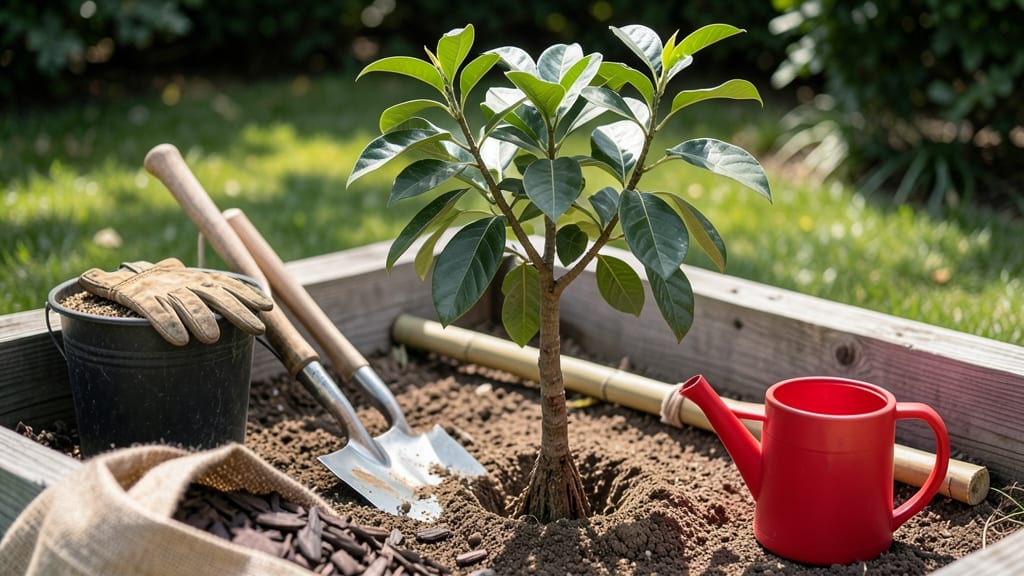
Planting an avocado tree 🥑 in the ground at the right time ensures strong root growth and fruit production—waiting until soil temperatures stay above 60°F is the key.
Picture this: you’ve nurtured your seedling for months, only to watch it wilt within weeks of planting because the ground was still too cold. That’s why timing isn’t just about seasons—it’s about matching your climate zone to the tree’s needs.
In USDA Zone 6, where frost lingers until mid-April, planting after the last frost (typically late spring) gives roots the warmth they crave. Meanwhile, in frost-free Zones 9-11, late winter planting lets the tree establish before summer’s heat peaks.
Below, I’ll break down the best months for your zone, how to prep soil for success, and the 3 biggest mistakes that kill young avocado trees before they even take hold.
Best planting months for avocado trees by USDA climate Zones
Avocado trees (Persea americana) thrive in warm climates, but their planting windows vary dramatically across USDA Zones 7-11. In frost-prone Zone 7, you’ll need to wait until late spring, while Zones 9-11 offer year-round opportunities—with winter being ideal.
The key is planting when soil temperatures exceed 60°F and frost risk is zero. Let’s break down the best months for each zone, including regional nuances like California’s Mediterranean climate versus Florida’s humid tropics.
In Zone 7, avocados are only viable in microclimates with no frost, like urban heat islands or coastal areas. Your planting window is late April to May, after the last frost date.
For Zones 8-9, aim for March to April, when soil warms and daytime highs consistently stay above 70°F. Meanwhile, Zones 10-11 can plant anytime, but winter (December-February) is best to avoid summer heat stress during root establishment.
Regional variations matter. In California (Zones 9-11), coastal areas like San Diego can plant in winter, while inland Los Angeles benefits from spring planting to escape summer drought. In Florida (Zones 9-11), hurricane season (June-November) may delay outdoor planting, so container growing is often safer until risks pass.
Transitioning a container-grown avocado to the ground requires extra timing precision. Young trees in pots should stay indoors or in shade until soil temps hit 65°F+, typically 2-4 weeks after your zone’s last frost.
Harden off container trees by moving them outdoors for 2-3 hours daily before full transplantation. This process takes 10-14 days in Zones 7-8 and just 3-5 days in Zones 9-11.
Soil warmth is non-negotiable. Use a soil thermometer to confirm 60°F+ at 4-inch depth before planting. In Zone 7, this often means waiting until mid-May, while Zone 10 gardeners can plant as early as January.
Mulch heavily (3-4 inches) to retain heat and moisture, especially in sandy soils common in Southern California or Florida.
Here’s your zone-by-zone planting timeline, including container-to-ground transition tips and frost-free period considerations:
For container-grown avocados, the transition to ground planting requires patience. Start by placing pots in partial shade for 3-5 days, then gradually increase sun exposure over 7-10 days. In Zones 7-8, delay full transplantation until nighttime temps stay above 55°F—typically mid-May. Water deeply <
How to tell when soil and weather are perfect for planting
Don’t rely solely on calendar months when planting your avocado tree. The perfect planting window depends on three key factors: soil temperature, frost risk, and microclimate conditions.
Avocado roots need the ground to stay above 60°F (15°C) to establish properly, while sudden cold snaps can kill young trees in minutes. Even in warm zones, urban heat islands or coastal breezes can create microclimates that shift planting timing by weeks.
For example, in USDA Zone 10, you might plant year-round, but a late-winter frost could turn your new tree into a sad, blackened stick.
Meanwhile, in Zone 8, waiting for soil to warm to 65°F (18°C) in spring could mean the difference between a thriving tree and one struggling through a slow start. Let’s break down how to check these conditions like a pro.
📌 Your Avocado Planting Checklist
- 1. Soil Temperature: Use a soil thermometer to confirm 60°F+ (15°C+) at 4" depth for 7+ days. Cold soil stunts root growth.
- 2. Frost Risk: Check your local frost date (e.g., April 15 in Zone 6) and add a 2-week buffer for root establishment.
- 3. Microclimate: Note if your yard is warmer (urban heat island) or cooler (shady spots). Adjust timing by 1-2 weeks accordingly.
- 4. Weather Forecast: Avoid planting if rain is predicted within 48 hours—waterlogged soil suffocates roots.
- 5. Tree Readiness: If potted, ensure roots are crowded around the pot’s edges (signs of transplant shock risk).
Pro Tip: Plant on a cloudy day to reduce transplant shock from direct sun.
Start by testing your soil temperature with a digital thermometer inserted 4 inches deep. If it’s below 60°F (15°C), wait—even if your local nursery says “spring planting season” has started. Avocado roots grow best in warm soil, and cold stress can kill them before they take hold.
For example, in Southern California (Zone 10), I’ve planted in January when soil temps hovered around 62°F (17°C), but in Central Texas (Zone 8b), I wait until late April when soil finally warms to 68°F (20°C).
Next, factor in frost risk. Even in warmer zones, a late-season frost can devastate young trees. Use the National Weather Service’s frost prediction maps or your local cooperative extension service to pinpoint the average last frost date for your area.
Then add a 2-week buffer—this gives roots time to establish before cold snaps hit. For instance, in Zone 7, where frost can linger until May 1, I plant no earlier than mid-May unless I’m using row covers for protection.
Don’t overlook microclimate factors like urban heat islands or coastal breezes. A paved parking lot nearby can make your soil 10°F warmer than a shady backyard, while coastal areas may stay frost-free longer. Test your specific spot with a soil thermometer for a week to account for these variations.
In my urban Los Angeles garden, the south-facing side of my yard hits 70°F (21°C) by March, while the north side stays below 60°F (15°C) until April.
Finally, check the 7-day weather forecast before planting. Avoid scheduling your avocado tree’s new home during heavy rain or extreme heat waves. Waterlogged soil cuts off oxygen to roots, while 90°F+ (32°C+) temps can cause transplant shock.
I once planted a young avocado in July during a heatwave—it survived, but grew only 6 inches that year compared to 2 feet in trees planted in spring. Timing truly matters!
Once you’ve checked all four factors—soil temp, frost risk, microclimate, and weather—you’re ready to dig. Plant in the early morning or late afternoon to minimize stress, and water deeply to settle the soil around roots.
With these checks, your avocado tree will thrive from day one. 🌱