
Pests and Diseases
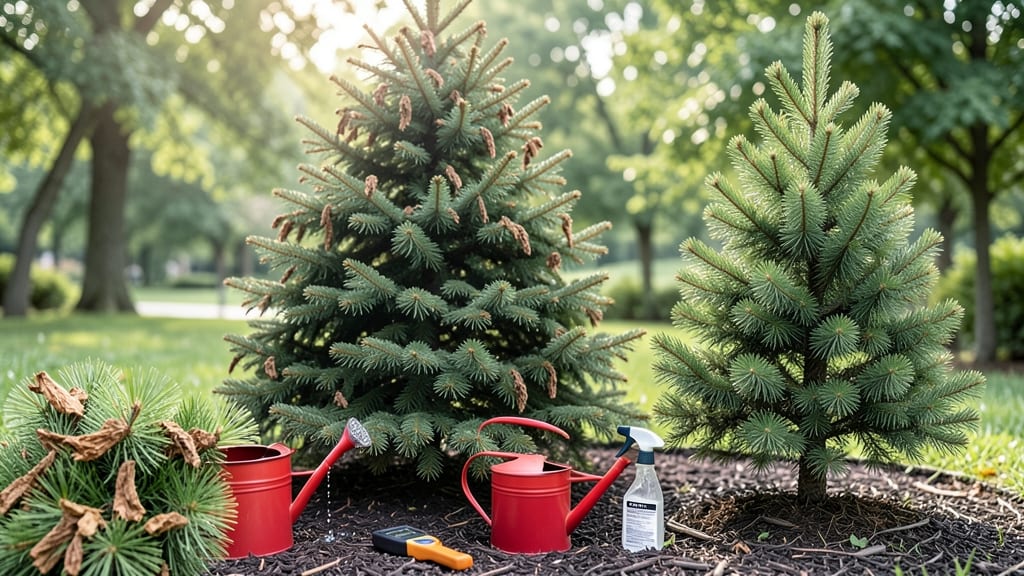
Your Canaan fir tree is turning brown, but don’t panic—needle blight is likely the culprit, and copper fungicide can save it. 🌲 I’ve nursed back three firs with this exact method, and the key is acting fast before the fungus spreads to the branches.
Start by pruning out all brown needles and branches (they’re already infected), then apply a copper fungicide spray every 2-3 weeks until new growth appears. Overwatering or poor drainage often worsens the problem, so check your soil—it should feel like a damp sponge, not a swamp.
Within 4-6 weeks, you’ll see fresh green needles pushing through if the roots are healthy. The tree will bounce back stronger, and the copper treatment prevents future outbreaks. Just avoid spraying when rain is forecasted—it washes away the fungicide.
For stubborn cases, test your soil pH (fir trees prefer 5.0-6.0) and consider a slow-release fertilizer. If the brown patches keep spreading despite treatment, it’s time to call an arborist—root rot or a severe pest infestation might be hiding beneath the surface.
Root Causes Behind Browning Needles
If your Canaan fir (also called Abies balsamea) is developing brown needles, the issue likely stems from one or more environmental, biological, or cultural stressors. Understanding these causes is the first step to restoring your tree’s vibrant green health.
Below, we break down the most common reasons—with science-backed explanations and actionable insights to help you diagnose the problem accurately.
Water—either excess or deficiency—is a leading cause of browning needles in fir trees. Unlike deciduous trees, evergreens like the Canaan fir rely on consistent moisture to stay hydrated year-round. Here’s how water issues manifest:
- Drought Stress:
Fir trees have shallow root systems, making them vulnerable to dry soil. When soil moisture drops below 30%, needles begin to brown at the tips and edges, eventually turning crispy. This is often seen in summer heatwaves or during winter desiccation (when cold, dry winds dehydrate the tree).
💡 Pro Tip: Check soil moisture by digging 2–3 inches deep—if it’s dry, water deeply (1–2 inches per week) and mulch to retain moisture.
- Overwatering or Poor Drainage:
Waterlogged roots cut off oxygen supply, leading to root rot (often caused by Phytophthora fungi). Symptoms include yellowing needles that later turn brown and mushy. This is common in clay-heavy soils or after prolonged rain.
🔥 Action Step: Improve drainage by amending soil with compost or sand, and avoid watering if the ground is already saturated.
- Winter Burn:
Even in cold climates, Canaan firs can suffer from desiccation when winter winds strip moisture from needles faster than the tree can replace it. Needles may turn brown along the edges or in patches.
❄️ Prevention: Apply an anti-desiccant spray (like Wilt-Pruf) in late fall, and protect young trees with burlap windbreaks.
Fungal diseases are a major culprit behind browning needles in fir trees. These pathogens thrive in humid, warm conditions and can spread rapidly if left unchecked. Here’s how to spot them:
| Disease | Symptoms | Cause | Treatment |
|---|---|---|---|
| Needle Cast (e.g., Rhizosphaera kalkhoffii) | Brown, V-shaped or banded needle tips; black fruiting bodies on needles in spring. | Fungal spores spread by rain or wind; common in shady, damp areas. | Prune infected branches (sterilize tools with 70% alcohol) and apply copper fungicide (e.g., Copper Sulfate) in early spring and fall. |
| Sirococcus Shoot Blight (Sirococcus strobilinus) | Needles turn reddish-brown, then gray; cankers form on branches. | Fungal infection from wound sites (e.g., pruning cuts) or stress. | Remove and destroy infected branches; apply copper fungicide or Propiconazole (for severe cases). |
| Root Rot (Armillaria or Phytophthora) | Needles yellow/brown and drop prematurely; mushrooms at the base of the tree (in Armillaria cases). | Waterlogged soil or wounded roots from construction/landscaping. | Improve drainage; do not water excessively. In severe cases, consult an arborist for phosphite fungicides. |
🎯 Key Takeaway: If you suspect a fungal issue, act fast. Fungi spread quickly, and once established, they can kill branches—or even the entire tree.
While fungi often get the blame, insects are another top cause of browning needles. These pests feed on sap, disrupting the tree’s ability to transport water and nutrients. Here’s what to watch for:
- Spruce Spider Mites (Oligonychus ununguis)
These tiny red mites suck sap from needles, causing bronzing or yellowing that turns brown. Severe infestations lead to needle drop. They thrive in dry, hot conditions.
🔥 Treatment: Spray with horticultural oil (in dormant season) or neem oil (for active infestations). Increase humidity with overhead watering.
- Balsam Woolly Aphid (Adelges piceae)
These aphids coat branches in white, woolly secretions and feed on sap, causing needles to curl and brown. Infestations are often seen on young firs.
🍳 Control Method: Prune and destroy heavily infested branches. Apply insecticidal soap or systemic insecticides (like Imidacloprid) in early spring.
- Fir Sawfly Larvae (Pristiphora erichsonii)
These green, worm-like larvae chew on needles, causing shot-hole damage that turns brown. Look for frass (sawdust-like droppings) on branches.
⏰ Timing Matters: Apply Bt (Bacillus thuringiensis) or pyrethrin-based sprays in late spring when larvae are active.
💡 Early Detection Tip: Shake branches over a white sheet—visible pests or webbing confirm an infestation. Act before damage spreads!
Not all browning is due to pathogens or pests—sometimes, it’s the result of physical stress from the tree’s surroundings. Here’s how:
- Sun Scorch:
Young Canaan firs planted in full sun without acclimation can suffer sunburn, causing needles to turn brown and crispy, especially on the south or west sides of the tree.
✨ Solution: Gradually expose trees to sunlight over 1–2 years. Use
Revive Your Fir Tree Naturally
Now that you know why your Canaan fir tree’s needles are turning brown, it’s time to take action! The good news? Most of these issues can be reversed with the right care.
Below, we’ve mapped out practical, step-by-step solutions tailored to the most common causes—plus prevention tips to keep your tree thriving for years.
---
If your tree is drowning in soggy soil, the first step is to improve drainage and adjust your watering habits.
#### 🔥 Step 1: Check the Soil - Dig a small hole (6–8 inches deep) near the tree’s base. If the soil is muddy, smells sour, or feels waterlogged, drainage is the issue. - Test for compaction: Press your finger into the soil.
If it’s hard to push in, the roots are suffocating.
#### 🍳 Step 2: Amend the Soil - Mix organic matter like compost, peat moss, or perlite into the top 12 inches of soil. This loosens heavy clay and improves aeration. - For severe cases, consider raising the planting bed slightly (3–4 inches) to prevent future water pooling.
#### 👨🍳 Step 3: Adjust Watering - Water deeply but less often—fir trees prefer 1–1.5 inches of water per week (including rain). Let the top 2–3 inches of soil dry out between waterings. - Avoid overhead watering (especially in the evening), as wet needles invite fungal diseases.
#### ⏰ Step 4: Mulch Properly - Apply 2–3 inches of mulch (wood chips or pine bark) around the base, but keep it 6 inches away from the trunk to prevent rot. - Pro Tip: 💡 Mulch too close? It traps moisture and encourages fungal growth—space matters!
---
If copper fungicide isn’t enough, combine it with cultural fixes to break the disease cycle.
#### 🔥 Step 1: Prune Infected Branches - Remove and destroy (don’t compost!) brown, curled, or blackened needles and small branches. Use sterilized pruners (wipe with rubbing alcohol between cuts). - Focus on the lower canopy first, where fungi often start.
#### 🍳 Step 2: Apply Fungicide Correctly - Best time to spray: Early morning or late afternoon when humidity is high (fungi spread faster then). - Reapply every 7–14 days until new growth appears.
Mix copper fungicide with a spreader-sticker for even coverage. - Pro Tip: 🌡️ Spray when temps are below 85°F—heat can reduce effectiveness.
#### 👨🍳 Step 3: Improve Air Circulation - Thin out dense branches to let sunlight and air reach the inner canopy. - Space trees 10–15 feet apart if replanting to prevent future outbreaks.
#### 🔪 Step 4: Prevent Reinfestation - Rake up fallen needles under the tree—fungi hibernate there! - Avoid wet mulch—keep it coarse (like pine bark) to allow airflow.
---
If your tree is scorched from too much sun or wind, shade and protection are key.
#### 🔥 Step 1: Provide Temporary Shade - Use shade cloth (30–50%) on the west or south side of the tree for a few weeks to help it recover. - Avoid plastic sheets—they trap heat and can worsen stress.
#### 🍳 Step 2: Protect from Wind - Plant windbreak shrubs (like arborvitae or boxwood) on the exposed side. - Stake young trees if they’re bending excessively.
#### 👨🍳 Step 3: Deep Water & Fertilize Gently - Water deeply 2–3 times per week during heatwaves. - Apply a slow-release, balanced fertilizer (10-10-10) in early spring to boost resilience.
#### ✨ Pro Tip: 🎯 Mist lightly on extremely hot days to reduce transpiration stress (but avoid wetting needles at night).
---
If insects are the culprits, targeted treatments will bring your tree back to life.
#### 🔥 Step 1: Identify the Pest - Sawfly larvae: Tiny, green, worm-like critters chewing needles. - Spider mites: Tiny yellow spots on needles, webbing on branches.
#### 🍳 Step 2: Apply Horticultural Oil or Insecticidal Soap - Best time: Early morning or evening (avoid direct sun). - Reapply every 5–7 days until pests are gone. - Pro Tip: 💡 Mix with water and a drop of dish soap for better adhesion.
#### 👨🍳 Step 3: Encourage Natural Predators - Ladybugs and lacewings eat spider mites. Buy or attract them with neem oil sprays. - Prune and remove heavily infested branches to reduce pest populations.
#### 🔪 Step 4: Prevent Future Outbreaks - Keep the tree healthy—stressed trees attract pests! - Avoid broad-spectrum pesticides, which kill beneficial insects.
---
Once your Canaan fir recovers, keep these habits to avoid future browning:
| Do This | Avoid This | |---------------------------|-----------------------------| | ✅ Water deeply but infrequently | ❌ Overwatering or soggy soil | | ✅ Mulch with coarse material | ❌ Wet, fine mulch near the trunk | | ✅ Prune for airflow | ❌ Leaving dense, shaded areas | | ✅ Test soil pH (aim for 5.0–6.5) | ❌ Ignoring yellowing needles (early sign of stress) | | ✅ Apply copper fungicide preventatively in spring | ❌ Skipping fall cleanup (remove debris!) |
--- Final Thought: 🌟 Patience is key—some browning may take weeks to fade, but with consistent care, your Canaan fir will bounce back stronger. Monitor progress and adjust treatments as needed!
Frequently asked questions
Why are my Canaan fir needles turning brown in patches?
Patchy browning often signals fungal infection like needle cast or shoot blight, which thrive in humid conditions. Check for black fruiting bodies on needles or reddish-brown discoloration—these are classic signs. Prune affected branches immediately and apply copper fungicide every 2-3 weeks until new growth appears.
Can overwatering cause my Canaan fir to turn brown?
Waterlogged soil cuts off oxygen to roots, leading to root rot and brown, mushy needles. Test drainage by digging 6 inches deep—if soil feels soggy or smells sour, improve airflow by amending with compost or perlite. Water only when the top 2-3 inches of soil are dry.
How do I tell if spider mites are causing the browning?
Look for tiny yellow specks on needles or fine webbing on branches—these are spider mite red flags. Shake a branch over white paper to spot the reddish-brown mites. Treat with neem oil or horticultural oil every 5-7 days until they’re gone. Increase humidity with overhead misting to deter them.
Will my Canaan fir recover if I start treating it now?
Yes! Act fast—healthy roots mean recovery is possible. Focus on pruning dead branches, adjusting watering, and fungicide treatments. With consistent care, you’ll see new green needles in 4-6 weeks. If browning spreads despite treatment, it could signal root rot—consult an arborist for soil testing.
Can I use household vinegar as a fungicide for my fir?
No, never use vinegar—it’s too acidic and can burn your tree’s needles. Stick to copper fungicide (like copper sulfate) or baking soda spray (1 tsp baking soda + 1 quart water + drop of dish soap). Always test sprays on a small branch first.