
How To
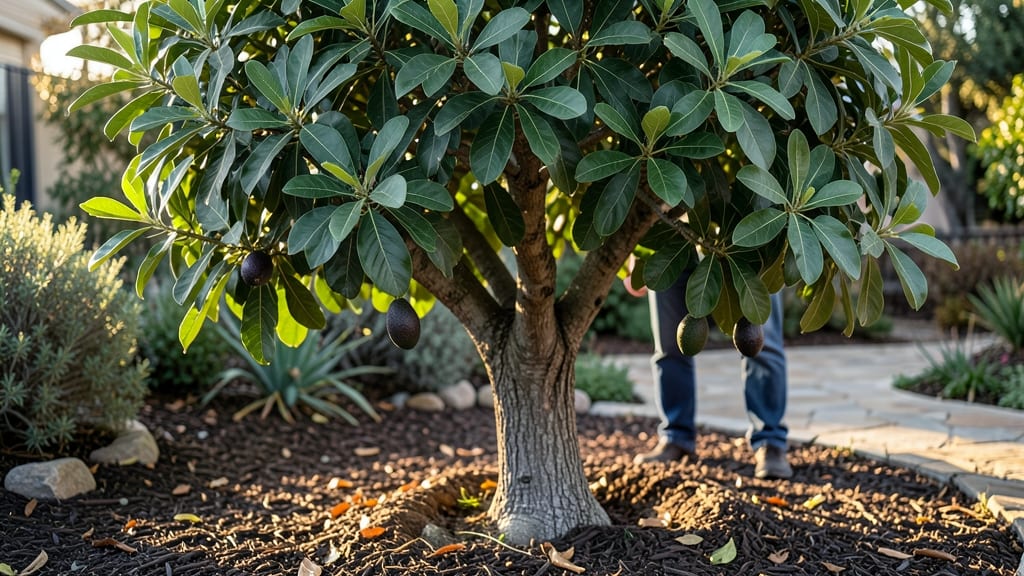
A Hass avocado tree 🥑 can grow between 20 and 60 feet tall in ideal conditions, turning your backyard into a tropical oasis—or a space challenge, depending on how you manage it.
If you’ve ever dreamed of growing your own Hass avocado tree but wondered whether your backyard (or patio) can handle its towering presence, you’re not alone—this creamy, buttery fruit’s size surprises many first-time growers.
The good news? With the right care—like pruning, choosing dwarf varieties, or container growing—you can keep your tree at a manageable height without sacrificing fruit production.
Below, I’ll break down how height varies by growth stage, the best ways to control it, and whether a Hass avocado tree is right for your space.
Whether you’re working with a small urban yard or a sprawling landscape, understanding these growth habits will help you plan for success—and maybe even enjoy those rich, buttery avocados sooner than you think.

Hass avocado tree height by growth stage: from seedling to mature tree
If you’ve ever planted a Hass avocado tree from a pit, you’ve likely watched it sprout with excitement—only to later wonder how that tiny seedling will ever reach its full 20–30-foot potential. Understanding the growth stages helps you plan for space, pruning, and even container gardening.
Let’s break down the height progression from seedling to mature tree, plus how your climate and care habits influence its towering ambitions.
The journey begins with a seedling phase (0–2 feet), where your Hass avocado tree focuses on root and leaf development rather than height. This stage can last 6–12 months, depending on soil quality and sunlight.
In ideal conditions—like USDA Zones 9b–11—you might see 1–2 feet of growth in the first year, but cooler climates slow this down significantly.
Here’s a quick reference for height expectations at each stage, including how climate and care affect growth rates:
| Growth Stage | Height Range | Timeframe | Climate Impact |
|---|---|---|---|
| Seedling | 0–2 ft | 6–12 months | Slower in cooler zones (8b–10a) |
| Juvenile | 3–10 ft | Years 2–5 | Faster in frost-free zones (9b–11) |
| Mature (Standard) | 20–60 ft | Years 10–20+ | Pruning reduces height by 30–50% |
| Mature (Dwarf) | 15–25 ft | Years 10–15 | Genetics limit height; ideal for small yards |
The juvenile phase (3–10 feet) is where your tree gains momentum, typically between years 2 and 5. This is when you’ll notice rapid vertical growth—up to 3–5 feet per year in optimal conditions.
However, factors like limited sunlight, poor soil drainage, or cool temperatures can stunt growth during this stage. For example, a tree in Zone 10a might grow 2 feet per year, while one in Zone 11 could double that.
By the time your Hass avocado reaches mature height (20–60 feet), it’s no longer a backyard curiosity—it’s a statement piece. Standard varieties can tower over two-story homes, while dwarf varieties (like ‘Wurtz’) max out around 15–25 feet.
The key difference? Dwarf trees are grafted onto rootstocks that limit growth, making them perfect for urban gardens or containers. Even with dwarf varieties, expect 10–15 years to reach full height.
Your climate zone plays a huge role in how quickly your tree grows. In USDA Zone 11, Hass avocados thrive year-round, growing 4–6 feet per year in ideal conditions.
But in Zone 9b, where frost is a risk, growth slows to 2–3 feet per year until the tree establishes a strong root system. Additionally, pruning young trees can redirect energy toward width instead of height, keeping them manageable for smaller spaces.
Soil quality and watering habits also accelerate or slow growth. Hass avocados need well-draining soil with consistent moisture—drought stress can halt growth entirely. In my own garden, I’ve seen trees in amended volcanic soil (common in Hawaii) grow 50% faster than those in clay-heavy soil.
Mulching with wood chips helps retain moisture and encourages deeper root growth, which supports taller, sturdier trees over time.
If you’re growing a Hass avocado in a container, height expectations change dramatically. Even standard varieties can be kept under 10 feet with regular pruning and root restriction. However, container-grown trees produce smaller fruit and may live 10–15 years shorter than in-ground trees.
For the best results, choose a dwarf variety and use a 24-inch diameter pot with drainage holes.
One common misconception is that all Hass avocado trees grow to 60 feet. While this is possible in perfect conditions, most home-grown trees top out at 20–30 feet without aggressive pruning.
The secret to controlling height? Structural pruning every 1–2 years to remove water sprouts and shape the canopy. I recommend pruning in late winter (just before new growth begins) to avoid stressing the tree during flowering or fruiting seasons.
For those in cooler climates (Zones 8b–10a), consider microclimates like south-facing walls or greenhouses to extend the growing season. Even a 5–10°F warmer microclimate can boost growth by 20–30% per year.
And if you’re patient, remember: Hass avocados can live for 50–100 years, so your tree’s height today is just a snapshot of its future potential.
How to control Hass avocado tree height: pruning, container growing & dwarf varieties
If your Hass avocado tree is reaching for the sky faster than you’d like, don’t panic—there are proven ways to manage its height while still enjoying those creamy Hass avocados.
Whether you’re working with a standard tree or a dwarf variety, strategic pruning and container growing can keep your tree at a manageable size without sacrificing fruit production.
The key to controlling height lies in timing, technique, and variety selection. A standard Hass avocado tree can soar to 20–60 feet tall, but with the right approach, you can keep it between 8–15 feet—perfect for small backyards or even large containers.
Let’s explore the best methods to keep your tree under control while maximizing your harvest.
🌱 Top 5 Ways to Manage Hass Avocado Tree Height
- 1. Choose a dwarf variety like ‘Wurtz’ (10–15 ft) or ‘Mexicola’ (12–15 ft) to skip the giant growth phase entirely.
- 2. Prune strategically in late winter/early spring (before new growth) to remove suckers and upward-growing branches.
- 3. Use container growing with 50+ gallon pots and root pruning to limit height—ideal for patios or small spaces.
- 4. Thin the canopy by removing inner branches to improve air circulation and reduce vertical growth.
- 5. Limit fertilizer in late summer to slow new growth before winter, keeping the tree more compact.
Pruning is the most effective tool for controlling height, but it requires precision. Avoid cutting back more than 25% of the canopy in one session, as this can stress the tree. Focus on removing vertical water sprouts (suckers) and shaping the tree to encourage a fuller, bushier form. This not only limits height but also improves fruit production by directing energy to existing branches.
For container growing, select a dwarf variety like ‘Wurtz’ and use a large, sturdy pot (at least 24–36 inches deep). Place the container in full sun and water deeply 2–3 times per week.
Remember, root-bound trees grow slower, so avoid overpotting—this naturally restricts height while keeping the tree healthy. Just be prepared for smaller fruit yields compared to in-ground trees.
Seasonal pruning schedules are critical. In late winter (Feb–March), prune to shape the tree and remove dead or crossing branches. In early summer (June–July), focus on thinning the canopy to improve airflow and reduce disease risk. Avoid heavy pruning in fall or winter, as the tree needs time to harden off before dormancy.
If you’re growing a standard Hass avocado, don’t expect miracles—these trees are naturally tall, but with consistent pruning and container limits, you can keep them at 15–20 feet.
For true dwarf options, ‘Wurtz’ and ‘Mexicola’ are your best bets, staying under 15 feet while still producing high-quality fruit. Just be patient—dwarf trees take 3–5 years to bear fruit, but the wait is worth it for that compact, manageable size.