
How To
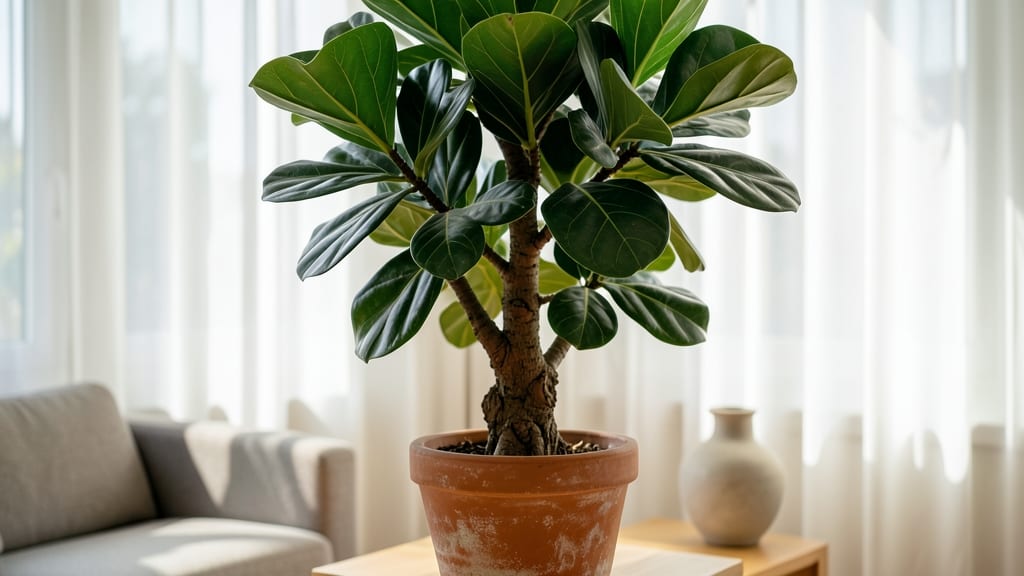
A ficus tree’s mature height can range from how tall does a ficus tree grow—a compact 8 feet to a towering 50 feet—depending on the variety and where you grow it 🌳.
If you’ve ever eyed a stunning ficus but hesitated because of space concerns, this is the key detail you need.
Some varieties stay small enough for apartments, while others become living room giants—even in pots. The difference comes down to species, pruning habits, and how much light it gets.
A Ficus benjamina might top out at 12 feet, while a Ficus elastica can stretch toward the ceiling in just a few years.
Whether you’re dreaming of a dwarf bonsai-style tree or a floor-filling statement plant, understanding growth patterns helps you pick the right one for your space. Below, I’ll break down the height ranges by variety, how to control growth, and which types thrive indoors versus outdoors.
Ready to match your space with the perfect ficus? Let’s dive into the sizes, care tips, and the one pruning trick that keeps even giant varieties manageable.

Ficus tree height by variety: from dwarf to giant sizes
Choosing a ficus tree often comes down to one key question: how tall does a ficus tree grow? The answer varies wildly—from a 1-foot tabletop specimen to a 50-foot outdoor giant.
Your space, light conditions, and even your pruning habits will determine which variety thrives best in your home or garden. Let’s break down the most popular ficus varieties by their mature heights and ideal growing conditions so you can pick the perfect fit.
Ficus trees are incredibly versatile, making them a favorite for both indoor decor and outdoor landscaping. Whether you're dreaming of a miniature bonsai for your desk or a towering statement plant for your living room, understanding each variety’s growth potential is essential.
Some ficus species grow slowly, while others can shoot up 3 feet per year under ideal conditions. Let’s explore the spectrum from smallest to largest.
| Variety | Mature Height (Indoor) | Mature Height (Outdoor) | Growth Rate | Best For |
|---|---|---|---|---|
| Ficus benjamina 'Exotica' | 6-10 ft | 15-25 ft | Moderate (1-2 ft/year) | Small spaces, offices |
| Ficus elastica 'Robusta' | 10-15 ft | 20-30 ft | Fast (2-3 ft/year) | Large rooms, statement plants |
| Ficus lyrata (Fiddle-Leaf Fig) | 10-12 ft | 20-30 ft | Slow to moderate | Modern interiors, conservatories |
| Ficus microcarpa 'Ginseng' | 3-5 ft (bonsai) | 30-50 ft (outdoor) | Slow (pruned) | Bonsai, outdoor landscapes |
| Ficus benjamina 'Starlight' | 8-12 ft | 15-20 ft | Moderate | Bright variegated foliage |
| Ficus macrophylla (Moreton Bay Fig) | N/A (outdoor only) | 50-100 ft | Very fast (3-5 ft/year) | Tropical gardens, large estates |
| Ficus pumila (Creeping Fig) | 1-3 ft (trailing) | 10-20 ft (ground cover) | Fast (trailing growth) | Vertical gardens, hanging baskets |
If you’re working with limited indoor space, Ficus benjamina 'Exotica' or Ficus microcarpa 'Ginseng' are excellent choices. Both stay compact when pruned regularly and thrive in bright, indirect light.
For a bold architectural statement, the Ficus elastica 'Robusta' or Ficus lyrata will deliver dramatic foliage without overwhelming your home—if given enough vertical space.
The Ficus macrophylla, also known as the Moreton Bay Fig, is the giant of the ficus family. Native to Australia, this outdoor-only species can reach heights of 50-100 feet in tropical climates.
It’s not suitable for indoor growing but makes a stunning focal point in large gardens or parks. If you’re in a warm climate like USDA Zone 10 or higher, this tree can become a lifelong investment with its massive, glossy leaves.
For those who love unique textures and shapes, the Ficus pumila or creeping fig is a game-changer. Unlike upright ficus trees, this variety grows as a trailing vine, perfect for hanging baskets or vertical gardens.
With proper training, it can create a lush, green curtain on walls or trellises. Just be warned—it’s highly invasive and requires containment if planted outdoors.
Light exposure plays a huge role in ficus growth. Most varieties grow faster with bright indirect light, while low light slows their height increase. If you notice your ficus growing leggy or sparse, it’s likely not getting enough light.
Rotate your plant occasionally to ensure even growth. Outdoor ficus trees, like the Moreton Bay Fig, need full sun exposure to reach their maximum height potential.
Pruning is your best tool for controlling ficus height. Regular trimming encourages bushier growth and prevents your tree from becoming top-heavy. For bonsai-style ficus, like
How growth rate and pruning affect ficus tree height
Ficus trees grow at dramatically different rates depending on their species, light exposure, and care routine. A Ficus elastica in full sun might shoot up 3 feet per year, while a Ficus benjamina in low light could barely reach 1 foot annually.
Understanding these factors lets you steer your ficus toward your ideal height—whether that’s a tabletop bonsai or a room-filling giant. The key lies in balancing natural growth habits with strategic pruning.
Light exposure is the #1 factor controlling height. Ficus trees thrive in bright indirect light, where they grow 2-4 times faster than in dim corners.
For example, a Ficus lyrata (fiddle-leaf fig) in an east-facing window may stay compact at 6-8 feet tall, while the same plant in a sunroom could tower over 12 feet. Even small adjustments—like rotating your pot toward a brighter spot—can slow vertical growth and encourage bushier foliage.
🌱 Key Factors Affecting Ficus Tree Height
- 🌞 Light exposure: Full sun = rapid vertical growth; low light = stunted, leggy growth
- ✂️ Pruning frequency: Regular pruning keeps height under 6 feet; no pruning = natural max height
- 🌱 Species genetics: Some varieties (like Ficus microcarpa) grow slower naturally
- 💧 Watering consistency: Overwatering = faster but weaker growth; underwatering = stunted height
- 🌡️ Temperature: Warmer climates = faster growth; cooler temps = slower height increase
Pruning isn’t just about trimming—it’s about redirecting energy. When you cut back 1/3 of the top growth in spring, your ficus will focus on filling out its canopy instead of shooting upward. For a compact ficus, prune the topmost leaves to encourage lateral branches.
For a taller ficus, avoid heavy pruning and let it grow naturally, but remove only dead or crossing branches. Remember: Prune just above a leaf node to stimulate new growth in the right direction.
Timing matters too. The best time to prune is late winter or early spring, right before new growth begins. This gives your ficus 6-8 weeks to recover before summer’s rapid growth phase. Avoid pruning in fall or winter, when the tree is already slowing down.
Pro tip: If you’re aiming for a specific height, prune every 6-8 weeks during the growing season to maintain control.
Don’t forget that container size affects height too. A ficus in a small pot will grow slower and stay shorter (ideal for apartments), while the same variety in a large container or in-ground will reach its full potential height.
If you’re growing a ficus indoors, upgrade pots only when roots circle the bottom—this prevents sudden growth spurts. For outdoor ficus trees, mulch around the base to encourage deeper root growth, which supports taller, sturdier stems.
With the right approach, you can shape your ficus into almost any size you want. Whether you’re growing a miniature bonsai or a 10-foot indoor statement tree, mastering light exposure and pruning techniques gives you full control.
Start with small adjustments, monitor your tree’s response, and soon you’ll have the perfect-sized ficus for your space—without any surprises. 🌿