
How Tall Does a Lavender Tree Grow: Compact Varieties vs Towering Giants Revealed

How To

How Tall Does a Lavender Tree Grow: Compact Varieties vs Towering Giants Revealed

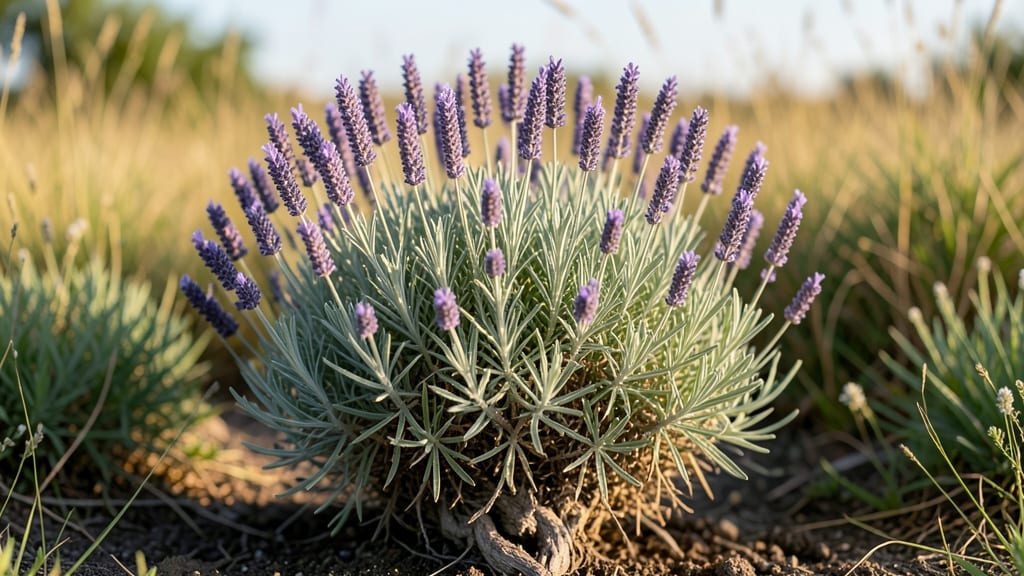
A lavender tree grows to how tall does lavender tree grow heights between 6 and 10 feet at maturity, depending on the variety and growing conditions — but many gardeners are surprised by how much their plants can vary.

If you’ve ever dreamed of adding fragrant lavender to your garden but worried about it outgrowing its space, you’re not alone. Some varieties stay compact enough for containers, while others reach small tree heights, making the difference between a charming border and a sprawling hedge.

The key to managing its size lies in choosing the right variety, pruning correctly, and giving it the ideal soil and sunlight. Without these steps, even a dwarf lavender can stretch unexpectedly — and that’s where most gardeners go wrong.

In this guide, I’ll break down the height ranges of popular lavender types, how to control growth naturally, and which varieties are best for small gardens versus large landscapes.

Lavender Tree Height Range
6 ftto10 ft
0 ft 3 ft 6 ft 9 ft 12 ft
🌱 Tall Shrub

Lavender tree height by variety: from dwarf shrubs to small trees

When planning your lavender garden, one of the first questions I ask myself is: how tall does lavender grow? The answer varies wildly—from 3-foot dwarf varieties perfect for window boxes to 15-foot giants that can serve as privacy screens.

Most lavender plants are actually shrubs, not true trees, but their upright growth habits and woody stems earn them the nickname "lavender trees." Understanding these height differences helps you choose the perfect variety for your space.

Lavender height depends on two main factors: genetics (variety) and growing conditions. Some varieties naturally stay compact, while others grow tall if left unpruned. For example, English lavender (Lavandula angustifolia) typically reaches 2–3 feet, while French lavender (Lavandula x intermedia) can soar to 5–6 feet or taller.

Below, I’ve broken down the most popular lavender varieties by their mature heights, along with care tips to keep them at your desired size.

Variety Mature Height (ft) Growth Habit Best For USDA Zones
Lavandula angustifolia 'Hidcote' 2–3 ft Compact bush Containers, borders 5–9
Lavandula angustifolia 'Munstead' 2–3 ft Upright bush Patios, hedges 5–9
Lavandula angustifolia 'Nana Alba' 1–2 ft Dwarf, spreading Rock gardens, containers 5–9
Lavandula x intermedia 'Grosso' 3–5 ft Bushy, upright Hedges, privacy screens 6–9
Lavandula x intermedia 'Provins' 4–6 ft Tall, sturdy Large gardens, borders 6–9
Lavandula stoechas 'Anouk' 2–3 ft Compact, fragrant Mediterranean gardens 7–10
Lavandula x intermedia 'Seal' 5–7 ft Tall, vigorous Privacy hedges 6–9
Lavandula dentata 'Phenomenal' 2–3 ft Dense, toothed leaves Drought-tolerant areas 8–11
Lavandula x intermedia 'Impress Purple' 4–5 ft Bushy, purple blooms Cut flowers, borders 6–9
Lavandula stoechas 'Papillon' 2–3 ft

How to control lavender tree growth: pruning, spacing, and soil tips

Lavender trees can grow anywhere from 3 feet to over 10 feet tall, depending on the variety and growing conditions. Without proper care, your fragrant beauty might become a leggy monster instead of the elegant focal point you envisioned.

The key to managing lavender height lies in three critical areas: pruning techniques, proper spacing, and soil preparation. Let's dive into how to keep your lavender tree at your desired height while maintaining its health and fragrance.

First, understand that lavender trees thrive in USDA zones 5–9, but their growth habits differ dramatically between varieties. For example, the popular 'Grosso' lavender can reach 6–10 feet, while 'Hidcote' stays compact at 2–3 feet.

Your pruning approach should match your variety's natural growth pattern to avoid stunting or overgrowth. Always prune after flowering to encourage bushier growth for the next season.

⚠️

Watch Out for These Common Mistakes!

Over-pruning in early spring can kill new growth, while under-pruning leads to woody, leggy stems. Poor soil drainage causes root rot, stunting growth, and planting too close together (less than 3 feet apart) creates competition for nutrients. These mistakes often result in lavender trees that either stay stunted or grow too tall too quickly.

When it comes to pruning, timing is everything. Always prune your lavender tree right after flowering in late summer or early fall. This gives the plant time to harden off before winter.

Use clean, sharp pruners to cut back one-third of the previous year's growth, focusing on shaping rather than drastically reducing height. For taller varieties, you can prune more aggressively, but never cut into old wood—this kills the plant.

Spacing plays a crucial role in controlling lavender height. Plant your lavender trees 3–6 feet apart, depending on the variety. Dwarf varieties like 'Munstead' can handle closer spacing (2–3 feet), while larger varieties need 5–6 feet to prevent overcrowding.

Proper spacing ensures good airflow, reducing disease risk and allowing each plant to reach its full potential without competing for resources.

Soil conditions make or break lavender growth. Lavender thrives in well-draining, slightly alkaline soil with a pH of 6.5–7.5. Amend heavy clay soil with sand or gravel to improve drainage, and avoid fertilizers high in nitrogen, which promote leafy growth at the expense of fragrant flowers.

Instead, use a balanced 5-10-10 fertilizer in early spring to encourage healthy growth.

Finally, consider your climate. In cooler zones (5–6), lavender grows more slowly and may stay shorter unless pruned aggressively. In warmer zones (8–9), lavender can grow taller and faster, so regular pruning is essential.

Mulch around the base with gravel or coarse sand to improve drainage and keep roots cool in hot climates.

With these tips, you can keep your lavender tree at the perfect height—whether you want a compact hedge or a towering fragrant giant. Remember, lavender is low-maintenance once established, so focus on pruning after flowering, proper spacing, and well-draining soil for the best results. 🌿

★★★★★4.7(12 reviews)
Categories How To