
Planting
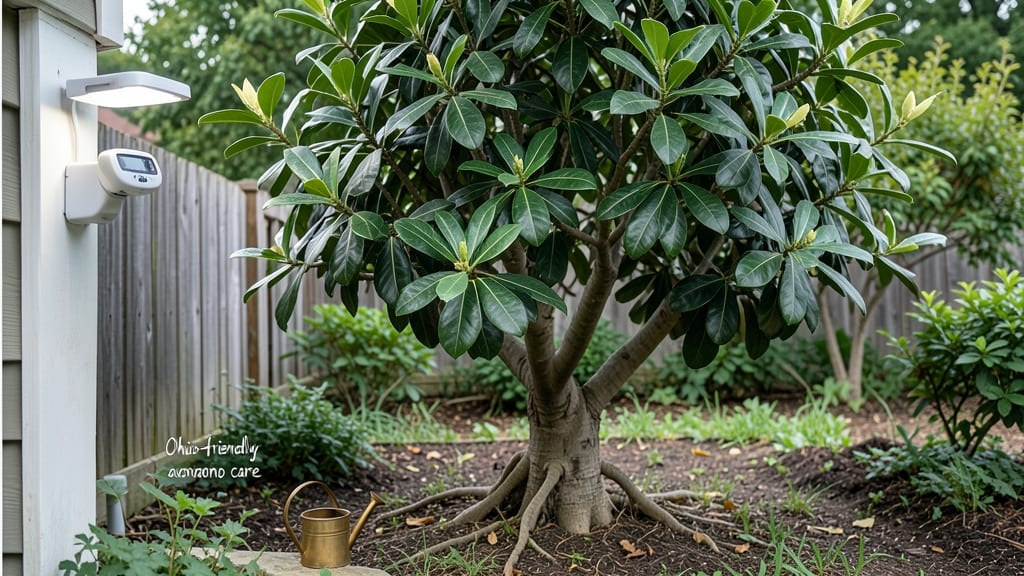
Can an avocado tree grow in Ohio? Yes, but only as container plants or in protected indoor environments, since Ohio’s cold winters (USDA Zones 5-6) fall well below avocado trees’ tropical needs (Zones 10-11). Cold-hardy dwarf varieties like ‘Mexicola’ or ‘Wurtz’ may survive brief frost if sheltered, but outdoor year-round growth is impossible in most of the state.
Ohio’s chilly winters make outdoor avocado growth nearly impossible, but that doesn’t mean you can’t enjoy your own tree. 🌱 The key is choosing dwarf varieties that can handle cooler temperatures when protected—think of them as tropical vacationers that need a cozy indoor retreat during winter.
I’ve seen gardeners in Ohio successfully grow avocados in large pots near sunny windows, moving them outside only during the warmest months. Even then, a frost can be deadly, so having a backup plan (like a heated garage or greenhouse) is crucial.
What’s interesting is how these trees adapt: while standard avocados need year-round warmth, cold-hardy varieties can tolerate temperatures down to 20°F for short periods. That’s why many Ohio growers start with seeds or nursery plants labeled as frost-resistant—it’s not about forcing nature to change, but working with what’s possible.
With the right care, you can still enjoy fresh avocados straight from your own tree, even in the Buckeye State!
💡 In This Article
- Ohio’s Climate Zones and Avocado Tree Survival Limits
- How to Grow Avocados in Ohio: Container and Indoor Methods
Ohio’s climate Zones and avocado tree survival limits
Ohio’s climate falls under USDA Zones 5-6, where winter temperatures regularly drop below 10°F, while avocado trees thrive in Zones 10-11 with minimum temperatures above 30°F. The difference isn’t just about cold tolerance—it’s about cellular damage.
Avocado leaves contain high levels of unsaturated fats that solidify at freezing temperatures, causing irreversible cell rupture. Even brief exposure to 28°F can kill standard varieties, while cold-hardy types like ‘Mexicola’ may survive down to 20°F for short periods.
The real challenge lies in Ohio’s seasonal extremes. Avocados need consistent warmth year-round, but Ohio’s winters bring 3-4 months of sub-freezing temperatures. Even in summer, Ohio’s humidity (60-80%) can stress tropical plants if not properly managed.
The key factor is the tree’s ability to photosynthesize continuously—something impossible during Ohio’s dark, cold winters. 🌡️ This is why container growing works: you can move the tree indoors during winter, mimicking its natural tropical environment.
What most people don’t realize is how frost affects different parts of the tree. While the trunk might survive brief cold snaps, the leaves and fruit are extremely vulnerable. A single night below 28°F can blacken leaves permanently, and fruit exposed to frost becomes inedible.
This is why Ohio growers focus on dwarf varieties—their smaller size means they can be more easily protected during cold snaps. Even then, you’ll need to monitor temperatures closely and have a backup plan like a heated garage.
There’s also the soil temperature factor. Avocado roots prefer warm soil (above 60°F) to grow properly. In Ohio, ground temperatures drop below 40°F for months, which can stunt root development even if the air is above freezing.
This is why container growing with insulating materials becomes essential—it helps maintain root-zone warmth. The science here involves understanding how avocado trees have evolved in frost-free environments where soil temperatures remain stable year-round.
Consider these critical temperature thresholds for Ohio growers:
- Survival limit: 20°F for cold-hardy dwarf varieties (brief exposure)
- Damage threshold: 28°F for standard varieties (lethal after 1-2 hours)
- Optimal growth: 70-85°F air temperature with 60°F+ soil temperature
- Humidity range: 40-60% (Ohio’s summer humidity often exceeds this)
The bottom line is that while Ohio’s climate makes outdoor avocado growing nearly impossible, understanding these specific thresholds helps you create the right conditions indoors. It’s all about replicating the tropical environment these trees evolved in—just on a smaller, more controlled scale. 🌿