
Trees
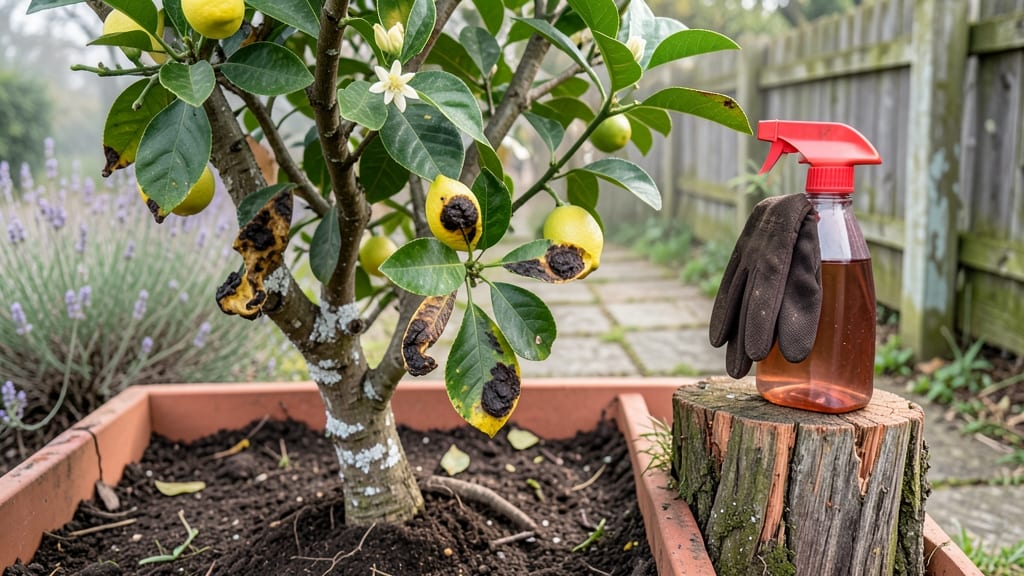
Citrus trees fighting fungus look like they're losing a battle—spotted leaves, blackened stems, and fruit that won't ripen. 🌿 I've seen this exact struggle with my Meyer lemon, and the key to turning things around starts with identifying the fungus (melanose, scab, or anthracnose) and acting fast with organic sprays before it spreads.
The real culprit is usually too much moisture on leaves combined with warm, humid weather—perfect conditions for fungal spores to take hold. Pruning for airflow and cleaning up fallen leaves cuts off their food supply, but the game-changer is a copper-based spray applied every 2-3 weeks during rainy seasons.
My tree went from looking defeated to thriving within a month.
What you'll end up with is a citrus tree that keeps producing fruit instead of dropping leaves. The organic spray doesn't just stop the spots—it strengthens the tree's natural defenses, so next season starts with healthier foliage and fewer worries.
The secret is consistency: treat early, treat often, and don't let the fungus get a foothold.
Works for both backyard lemon trees and commercial groves—just adjust the spray volume. Here's how to spot the difference between these common fungal diseases and which organic treatments work best for each.
Root Causes Of Citrus Tree Fungus
Fungal infections in citrus trees aren’t just random bad luck—they thrive because of specific conditions and vulnerabilities. Understanding why these fungi attack helps you stop them before they spread. Here are the key triggers, broken down by their scientific roots and practical implications.
Fungi love moisture, and citrus trees soaked in wet conditions create the perfect breeding ground.
When soil stays soggy—whether from overwatering, heavy clay, or poor drainage—fungal spores germinate rapidly. Phytophthora and Fusarium species, common citrus pathogens, thrive in waterlogged roots, while leaf spots like Alternaria spread faster when foliage stays damp.
Why it happens:
- 💧 Excessive irrigation: Watering on a schedule without checking soil moisture (citrus prefers dry conditions between waterings).
- 🪨 Compacted or impermeable soil: Clay-heavy soils trap water, preventing roots from drying out.
- 🌧️ Frequent rain or overhead watering: Leaves stay wet for hours, giving spores a direct path to invade.
Actionable fix: Test soil drainage—dig a hole, fill it with water, and time how long it takes to drain. Aim for 30–60 minutes. Use raised beds or amend soil with compost or perlite to improve aeration.
Healthy citrus trees have natural fungal resistance, but stress opens the door for infections. When trees are nutrient-deficient, underwatered, or physically damaged, their protective cuticles weaken, making them easy targets.
Why it happens:
- ⚡ Nutrient imbalances: Low nitrogen (_N_) or zinc (Zn) weakens cell walls, while excess phosphorus (_P_) can promote fungal growth.
- 🪓 Physical wounds: Pruning cuts, hail damage, or insect bites create entry points for spores.
- 🌡️ Extreme heat or cold: Stress from temperature swings disrupts the tree’s immune response.
Actionable fix: Conduct a soil test to address deficiencies (e.g., add Epsom salt for magnesium or fish emulsion for nitrogen). Prune in dry weather with sterilized tools, and avoid heavy mulch near the trunk to prevent rot.
Fungal spores hitchhike on pruners, stakes, and even garden gloves, jumping from infected plants to healthy ones. If you’ve worked on a diseased citrus tree and then another without cleaning your tools, you’ve essentially seeded the next infection.
Why it happens:
- 🔪 Unsterilized pruning tools: Spores linger on blades, spreading Anthracnose or Melanose to new cuts.
- 🌿 Infected plant debris: Fallen leaves or fruit left on the ground harbor spores that splash onto healthy trees during rain.
- 🚜 Cross-contamination in nurseries: Buying grafted citrus from unsanitary sources can introduce latent fungal pathogens.
Actionable fix: Sterilize tools between uses with 70% isopropyl alcohol or a 10% bleach solution. Remove and compost or burn infected leaves/fruit immediately (don’t mulch them). Quarantine new plants for 2–4 weeks before introducing them to your grove.
Citrus trees packed too closely or shaded by overgrowth trap humidity, creating a fungal sauna. Stagnant air slows evaporation, keeping leaves damp longer—ideal for leaf spot fungi like Cercospora or Guignardia.
Why it happens:
- 🌳 Overcrowded trees: Branches rub together, damaging bark and spreading spores.
- 🌿 Weedy or thick mulch: Blocks airflow at the base, promoting root rot.
- 🏠 Poor landscape design: Planting near walls or fences that reflect heat and moisture back onto the tree.
Actionable fix: Space trees 15–20 feet apart (depending on variety) and prune to open the canopy for sunlight and airflow. Use 2–3 inches of organic mulch (like straw) but keep it away from the trunk to prevent moisture buildup.
Pro Tip: 💡 Monitor humidity—fungi spread aggressively when relative humidity exceeds 75% for prolonged periods. A hydrometer or simple weather app can alert you to high-risk conditions.
Organic Fixes for Fungal Woes
Fungal infections on citrus trees can feel overwhelming, but with the right organic remedies, you can restore your tree’s health—and even prevent future outbreaks. Below are targeted solutions based on the most common causes, from leaf spots to root rot, along with proactive tips to keep your citrus thriving.
---
Leaf spots are the most visible sign of trouble, turning vibrant green into unsightly brown or black patches. Here’s how to tackle them:
#### 1.
Prune and Clean Infected Leaves 🔪 Step 1: Remove heavily infected leaves and branches with sterilized pruners (wipe with rubbing alcohol between cuts). 🌿 Step 2: Dispose of debris in a sealed trash bag—do not compost infected plant material. 💡 Pro Tip: Prune in dry, sunny weather to help wounds dry faster and reduce fungal spread.
#### 2.
Apply Organic Fungicides Use these DIY sprays every 7–10 days until new growth appears: - Neem Oil Spray (1 tbsp neem oil + 1 tsp mild soap + 1 quart water): Stops fungal spores from germinating. - Baking Soda Solution (1 tbsp baking soda + 1 quart water + a few drops of oil to help it stick): Safe for edible citrus. - Copper Fungicide (organic copper-based sprays like Cesect or Liqui-Cop): Effective for severe cases but use sparingly.
🌡️ Application Tip: Spray early morning or late evening to avoid burning leaves in direct sunlight.
#### 3. Improve Air Circulation Fungus thrives in damp, crowded conditions. Space out trees and thin dense foliage to let air flow freely.
---
Root rot is silent but deadly—yellowing leaves and wilting branches signal trouble. Act fast:
#### 1. Adjust Watering Practices ⏰ Step 1: Let the top 2–3 inches of soil dry between waterings. 💧 Step 2: Water deeply but infrequently—avoid shallow, frequent watering that keeps roots soggy. 💡 Pro Tip: Use a moisture meter or the "finger test" to check soil moisture.
#### 2. Amend Soil for Drainage 🛠️ Step 1: Dig around the root zone and mix in: - Compost (for organic matter) - Perlite or coarse sand (to improve drainage) - Biochar (helps prevent fungal growth) 🌱 Step 2: Avoid heavy clay soil—consider raised beds if drainage is poor.
#### 3. Use Fungal Inhibitors - Trichoderma harzianum (a beneficial fungus): Apply as a soil drench to outcompete harmful pathogens. - Hydrogen peroxide (3%): Mix 1 tbsp per gallon of water and water the base of the tree to sanitize roots.
✨ Prevention Hack: Plant citrus in well-draining soil and avoid overwatering—this is the #1 defense against root rot.
---
Once your tree is healthy, keep it that way with these easy habits:
| Problem | Prevention Tip | How to Do It | |----------------------|--------------------------------------------|-------------------------------------------| | High Humidity | Reduce leaf wetness | Water at the base, not overhead. | | Poor Airflow | Prune for spacing | Remove crowded branches yearly. | | Weak Tree Health | Boost immunity with nutrients | Feed with fish emulsion or kelp meal in early spring. | | Contaminated Tools | Sterilize pruners | Wipe with rubbing alcohol after each use. |
💡 Bonus: Mulch properly—use wood chips (not fresh sawdust) and keep mulch 3–4 inches away from the trunk to prevent moisture buildup.
--- By acting quickly and using organic, tree-safe methods, you can reverse fungal damage and protect your citrus tree for years to come. 🌿🍊
Frequently asked questions
What’s the fastest way to tell if my citrus tree has fungus?
Look for dark spots on leaves (especially undersides), blackened stems, or yellowing fruit. Melanose causes raised black spots, while anthracnose creates sunken, dark patches. Check for powdery white growth too—this could be powdery mildew. Act within 3–5 days of spotting symptoms for best results.
Can I still eat fruit from a fungus-infected citrus tree?
It depends on the fungus. For leaf spots (like melanose), the fruit may still be safe to eat if only the skin is affected. However, if you see blackened or rotting fruit or fungus on the rind, discard it—some pathogens (like anthracnose) can penetrate the peel. Always wash fruit thoroughly before eating, even from healthy-looking trees.
Will copper spray harm bees or beneficial insects?
Copper fungicides are generally safe for bees if applied after sunset or before dawn when pollinators are less active. Avoid spraying when flowers are open. For extra safety, use neem oil or baking soda sprays during bloom times—they’re bee-friendly and effective against leaf spots.
How often should I spray my citrus tree for fungus prevention?
Apply preventative sprays every 2–3 weeks during rainy seasons or high-humidity months. For active infections, switch to weekly treatments until symptoms disappear. Stop spraying once new growth appears and humidity drops. Always rotate between neem oil and copper-based sprays to prevent resistance.
Can I save a citrus tree with severe fungal damage?
Yes, but act fast! Prune back all infected branches (even if it looks drastic), apply hydrogen peroxide root soak (1 tbsp/gallon), and switch to drip irrigation to avoid leaf wetness. If the tree is over 50% defoliated, it may need time to recover—expect new growth in 4–8 weeks with consistent care.