
Trees
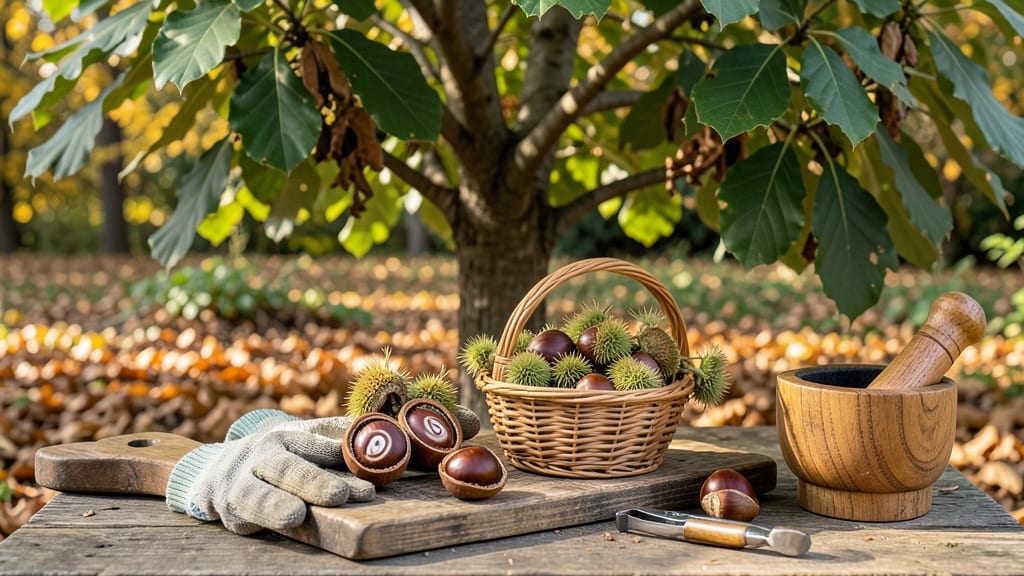
Buckeye tree nut uses include traditional crafts, natural dyes, and limited culinary applications like flavoring extracts or animal feed—but raw nuts are toxic due to compounds like aesculin. Always handle with extreme caution.
Buckeye nuts contain toxic compounds that make them dangerous to eat raw, but their unique properties unlock creative possibilities. 🌟 When properly processed—like roasting or boiling—they can be used in homemade dyes for fabrics or as decorative elements in crafts.
Some traditional cultures even use them in small amounts for medicinal tinctures, though this requires expert preparation. The key is understanding which applications are safe and which carry risks.
For example, their hard shells make them perfect for carving jewelry or decorative pieces, while the hulls can create rustic brown dyes when boiled. However, never consume them untreated—even small amounts can cause nausea or worse. Always research proper processing methods before attempting any use beyond ornamental or craft purposes.
💡 In This Article
- Toxicity and Safe Handling of Buckeye Nuts
- Creative and Practical Uses for Buckeye Tree Nuts
Toxicity and safe handling of buckeye nuts
Buckeye nuts contain aesculin and esculin, two glycosides that break down into toxic compounds when ingested raw. These chemicals cause gastrointestinal distress, including nausea, vomiting, and diarrhea, even in small amounts.
The nuts also contain saponins, which create a soapy texture and can irritate the digestive tract. 🔥 The toxicity isn't just limited to the nut itself—the hulls and leaves also carry these compounds, making all parts potentially hazardous unless properly processed.
Heat processing significantly reduces toxicity by breaking down these compounds. Roasting buckeye nuts at 350°F for 30-45 minutes can neutralize some of the harmful effects, but even this method doesn't make them safe for direct consumption.
For crafting or dye-making, boiling the nuts or hulls for 1-2 hours helps extract the natural pigments while reducing toxicity levels. However, never consume the processed nuts without consulting an expert—some residual compounds may still pose risks.
The key to safe handling lies in understanding the difference between edible and non-edible applications. While roasted buckeye nuts might be used in flavoring extracts or animal feed (with strict supervision), they should never be eaten raw or in large quantities.
Even traditional medicinal uses require careful preparation, often involving tinctures made from boiled extracts rather than direct ingestion. Always wear gloves when handling raw nuts to avoid skin irritation from the saponins.
Visual cues can help identify toxicity risks. Fresh buckeye nuts have a bitter, acrid taste that becomes slightly milder when roasted, but the aroma remains sharp. The shells are hard and glossy, while the inner nut is pale brown with a granular texture.
If you're unsure about processing, stick to ornamental or craft uses where direct contact isn't an issue. 💫 The beauty of buckeye nuts lies in their versatility—just ensure you're using them wisely.
For those interested in culinary experiments, some cultures use buckeye extracts in bitter herbal teas or spiced syrups**>, but these require expert knowledge. The nuts' natural bitterness makes them unsuitable for most cooking applications unless balanced with strong sweeteners or complementary flavors.
Always research preparation methods thoroughly before attempting any use beyond decorative or craft purposes.