
Trees
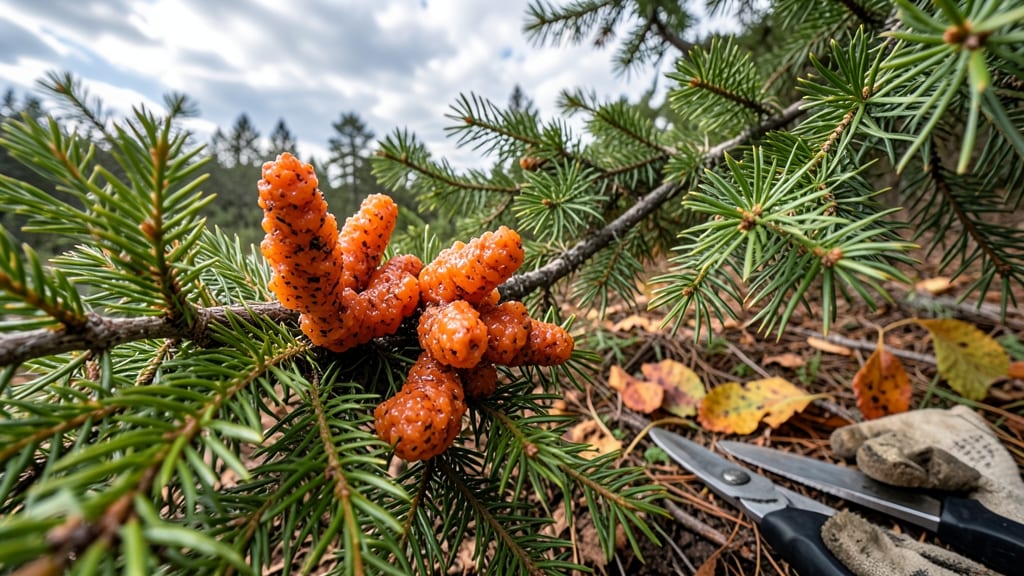
Those bright orange pustules on your cedar branches aren’t just unsightly—they’re cedar tree rust, a stubborn fungal infection that spreads faster than you’d think. 🌲 I’ve fought this blight in my own yard, and the good news is organic sprays do work—if you act before the spores take over.
The fungus thrives when cedars (especially eastern redcedar) grow too close to oaks or junipers, their alternate hosts. Wet springs make it worse, turning leaves into distorted, yellowing messes by summer. The key? Early intervention with copper-based sprays or neem oil—both disrupt the fungus’s life cycle without harming beneficial insects.
Within 2-3 weeks of treatment, new growth stays clean, and the orange pustules fade. Prune infected branches in late winter (before spores spread) and space cedars 20+ feet from oaks to break the cycle. Yes, it’s a long-term battle, but your tree will bounce back—healthier than ever.
This method works for eastern redcedar, western juniper, and even arborvitae hit by rust. The secret? Consistency. Spray twice a year (spring and fall) and watch the difference. Let’s get your cedars back to their sharp, clean glory.
The Hidden Triggers Behind Fungal Blight
Cedar tree rust isn’t just a random attack—it’s the result of a perfect storm of environmental and biological factors. Understanding why this fungal blight strikes helps you take proactive steps to protect your trees. Below, we break down the key causes, from microscopic invaders to seasonal shifts.
The primary culprit behind cedar tree rust is the Gymnosporangium fungus, which thrives on juniper and cedar trees. Here’s how it spreads:
- Alternate Hosts: The fungus alternates between cedar trees and nearby juniper species (like Eastern red cedar). Spores released from infected junipers in spring must find a cedar host to complete their lifecycle.
- Windborne Spores: Tiny, orange telial horns (spore-producing structures) form on cedar needles in late summer/fall. When winds pick up, these spores hitch a ride to junipers, where they overwinter.
- Humidity Love: High moisture levels (like after rain or heavy dew) create ideal conditions for spores to germinate and infect new trees.
💡 Pro Tip: If you see rust-colored spores on cedar needles, it’s a sign the fungus is already active—act fast with organic sprays to disrupt its cycle.
Cedar trees are most vulnerable during specific times of year, when their defenses are down:
| Season | Why Trees Struggle | Fungal Risk Level |
|---|---|---|
| 🍂 Fall | Cooler temps and leaf drop stress trees. Fungal spores from junipers latch onto cedar needles, starting infections before winter. | ⚠️ High |
| 🌱 Spring | New growth is tender, and warm, wet conditions (like April showers) trigger spore germination. Existing infections flare up. | ⚠️⚠️ Very High |
| ☀️ Summer | Drought stress weakens trees, making them easier targets. Spores released in late summer can reinfect nearby junipers. | ⚠️ Moderate |
🌡️ Actionable Fix: Monitor your trees during these windows. Prune infected branches in dry weather (not rainy days) to limit spore spread.
A stressed cedar tree is like an open invitation to fungi. Common stressors that invite rust include:
- 💧 Over/Under-Watering: Cedars hate soggy roots (root rot) or drought. Both weaken their immune response.
- 🍄 Competing Fungi/Bacteria: Other pathogens (like Phytophthora) can damage roots, making trees more susceptible to rust.
- 🪓 Physical Damage: Broken branches or poor pruning create entry points for spores.
- 🌿 Nutrient Deficiencies: Yellowing needles (often from low nitrogen) signal weak growth—rust loves a malnourished host.
✨ Prevention Tip: Boost tree health with a balanced organic fertilizer (like fish emulsion) in early spring. Healthy trees resist infections better!
By tackling these root causes—spore spread, seasonal timing, and tree stress—you can break the cycle of cedar tree rust before it takes hold. Next, we’ll explore organic sprays that disrupt the fungus’s lifecycle naturally.
Natural Fixes for Fungal Blight Relief
Fungal infections like cedar tree rust can feel overwhelming, but with the right approach, your trees can bounce back—especially when you lean on organic, eco-friendly solutions. Below, we break down targeted fixes based on the root cause of the problem, plus preventive tips to keep your cedar trees thriving long-term.
---
#### 1.
Prune Infected Branches for Containment 🔪 Why it works: Removing infected branches stops the spread of spores to healthy parts of the tree. 👨🍳 How to do it: - Use sterilized pruning shears (wipe with rubbing alcohol between cuts). - Cut 6–12 inches below visible rust patches (the fungus can lurk unseen). - Dispose of clippings in a sealed bag—do not compost them. - Best time to prune: Late winter or early spring (when the tree is dormant).
✨ Pro Tip: If rust appears on young, flexible branches, prune them entirely—they’re more vulnerable to reinfection.
---
#### 2. Apply Organic Fungicides for Rust Control 🌿 Why it works: Natural fungicides disrupt the fungus’s life cycle without harming beneficial insects or soil health.
| Solution | How to Use | Frequency | |----------------------------|--------------------------------------------------------------------------------|-----------------------------| | Neem Oil Spray | Mix 1 tsp neem oil + 1 tsp mild soap + 1 quart water.
Spray both sides of leaves. | Every 7–10 days until rust clears. | | Baking Soda Spray | Combine 1 tbsp baking soda + 1 tsp oil + 1 gallon water.
Spray early morning (avoid direct sun). | Weekly until symptoms fade. | | Copper Fungicide (organic) | Follow label instructions (e.g., Copper Soap). Apply evenly on wet foliage. | Every 2–3 weeks during growing season. |
💡 Pro Tip: Test a small branch first—some trees (like junipers) are sensitive to copper. If yellowing occurs, switch to neem oil.
---
#### 3. Boost Tree Immunity with Soil Care 🌱 Why it works: A healthy tree resists fungal attacks better. Focus on root strength and leaf nutrition.
- Add compost or worm castings around the base (but not touching the trunk). - Mulch with cedar chips or pine straw (avoid thick layers—keep it 2–3 inches deep). - Water deeply but infrequently (rust thrives in wet, humid conditions).
Water early morning so foliage dries by sunset.
🎯 Pro Tip: If your soil is compacted, aerate it gently with a fork to improve drainage—rust loves soggy roots.
---
#### 1. Improve Airflow Around Trees 🌬️ Why it works: Fungal spores spread in still, damp air. Better airflow = fewer infections.
- Thin out dense branches to allow sunlight and air to circulate. - Space new plantings at least 10–15 feet apart (cedars need room to breathe). - Avoid overhead watering—use drip irrigation or soaker hoses instead.
#### 2. Monitor and Act Fast 👀 Why it works: Catching rust early means less damage and easier treatment.
- Inspect trees weekly during spring and fall (peak rust seasons). - Watch for: Orange pustules, yellowing needles, or premature leaf drop. - Act within 48 hours of spotting rust—delay = more spores = worse spread.
🔥 Pro Tip: Use a magnifying glass to check undersides of needles—rust often hides there first!
#### 3. Encourage Beneficial Microbes 🦠 Why it works: Healthy soil microbes outcompete fungal pathogens.
- Apply mycorrhizal fungi (available as powders or granules) to roots. - Plant companion plants like garlic, chives, or marigolds near cedars—they repel fungi naturally. - Avoid synthetic fertilizers—they disrupt soil microbes. Use fish emulsion or seaweed extract instead.
---
While DIY fixes work for mild to moderate rust, seek an arborist if: - 50%+ of branches are infected. - The tree is stressed from drought, pests, or poor soil. - Rust reappears year after year despite treatment.
--- Final Reminder: Patience is key—some trees take 1–2 seasons to fully recover. But with consistent care, your cedars will stay rust-free and resilient! 🌲✨
Frequently asked questions
What do those orange spots on my cedar tree actually mean?
Those bright orange pustules are telial horns—spore-producing structures of the Gymnosporangium fungus. They appear in late summer/fall and release spores that infect nearby junipers. The yellowing needles and distorted growth are your tree's stress response to the infection.
Can I save my cedar tree if it already has rust?
Yes! Start by pruning infected branches 6-12 inches below the visible rust (sterilize your tools first). Then apply an organic fungicide like neem oil or copper soap. Healthy trees recover within 1-2 seasons
Will my cedar tree die from rust?
Rust rarely kills mature cedar trees, but severe infections can weaken them over time. The real danger comes from stress factors like drought or poor soil health. Focus on pruning, fungicides, and soil care—healthy trees fight off infections better. Young cedars are more vulnerable, so monitor them closely.
How do I prevent rust from coming back next year?
Break the fungus's life cycle by: 1) Pruning in late winter (before spores spread) 2) Spacing cedars 20+ feet from junipers/oaks 3) Applying copper fungicide in early spring 4) Improving airflow around trees. Consistency is key—rust often returns if you skip treatments!
Are there any plants that naturally repel cedar rust?
Yes! Plant garlic, chives, or marigolds near your cedars—they release natural compounds that inhibit fungal growth. You can also add mycorrhizal fungi to the soil, which outcompete rust pathogens. These companion plants create a healthier ecosystem around your trees.