
Pruning
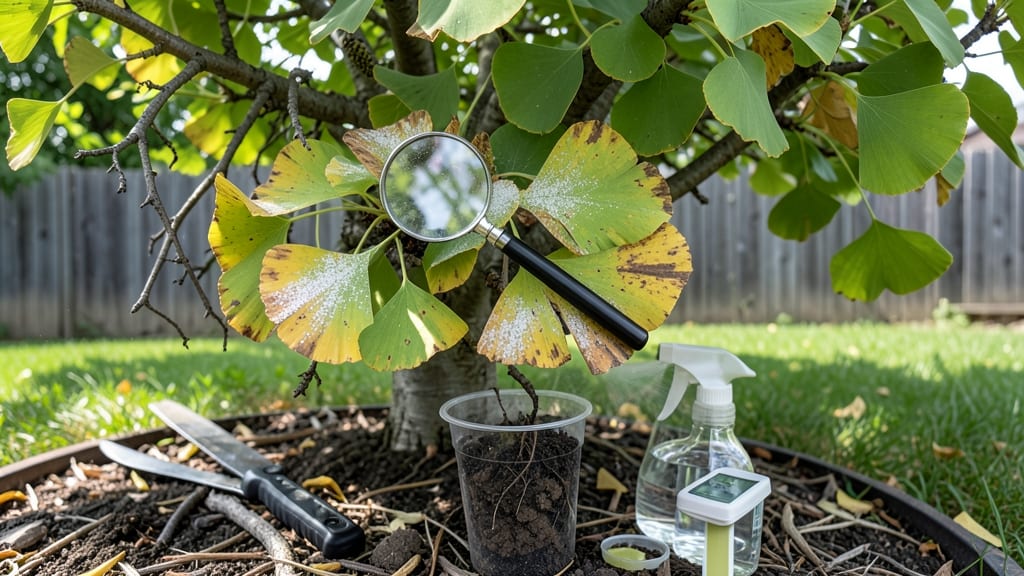
Your ginkgo tree’s leaves shouldn’t look like autumn arrived early—yellowing, curling, or spotting means something’s off. 🌿 I’ve spent years tracking these leaf problems in my own ginkgo, and the fixes are simpler than you’d think, once you know what to look for. The culprits?
Fungal diseases like anthracnose, pest damage from ginkgo psyllids, or nutrient imbalances from poor soil. Each problem has a telltale sign—like brown spots with yellow halos for anthracnose or tiny white eggs on leaf undersides for psyllids—and the right treatment turns things around fast.
With the right pruning, fungicide spray, or soil boost, you’ll see fresh green leaves within weeks. The key is acting early, before the issue spreads to the whole tree. Let’s diagnose and fix it before winter sets in. Start by checking the undersides of leaves for pests or fungal growth.
If you spot white, crusty patches, that’s likely anthracnose—prune infected branches and apply a copper fungicide. For yellowing edges, test your soil pH and add iron if it’s too alkaline. Most issues clear up with a simple 3-step approach: prune, treat, and adjust care.
Prevention is easier than cleanup: water at the base (not overhead), mulch to retain moisture, and fertilize in early spring. My ginkgo hasn’t had a single leaf problem in years since I switched to this routine. The tree stays lush, and the distinctive fan-shaped leaves stay vibrant all season.
Whether it’s a young tree or a mature one, these fixes work for any ginkgo. The sooner you act, the faster your tree bounces back. Let’s get those leaves looking healthy again—no more premature fall colors here.
Root Causes Behind Leaf Struggles
Ginkgo trees (Ginkgo biloba) are resilient hardwoods, but their leaves can still signal distress through yellowing, curling, or unsightly spots. Understanding the why behind these issues is the first step to restoring your tree’s health.
Below, we break down the most common culprits—from environmental stressors to hidden pests—with clear explanations and actionable insights.
Ginkgo trees thrive in adaptable conditions, but extreme or sudden changes can trigger leaf problems. Here’s how environmental factors disrupt their natural growth:
- Temperature Fluctuations
Ginkgos are sensitive to late spring frosts or early fall freezes, which can scorch new leaves or damage emerging buds. Cold damage often appears as brown, crispy edges or yellowing between veins.
Heat stress in summer (above 90°F/32°C) can also cause leaf scorch, where edges turn brown and brittle.
💡 Pro Tip: Monitor your local frost dates and protect young trees with burlap wraps or row covers during vulnerable periods.
- Water Woes: Too Much or Too Little
Ginkgos prefer well-draining soil and consistent moisture, but poor water management leads to leaf problems:
- Overwatering: Soggy soil suffocates roots, causing yellowing leaves with brown spots (a sign of root rot). Leaves may also curl upward as the tree struggles to photosynthesize.
- Underwatering: Drought stress leads to crispy, curling leaves that turn brown at the edges. The tree may drop leaves prematurely to conserve water.
🔥 Action Step: Test soil moisture by sticking your finger 2–3 inches deep—water if it’s dry. Ensure proper drainage by amending clay soil with compost or sand.
- Sunburn and Wind Damage
Young ginkgo trees or those suddenly exposed to full sun can suffer sunburn, where leaves develop white or brown patches (similar to human sunburn). High winds desiccate leaves, causing them to curl or tear.
🌡️ Solution: Acclimate trees gradually to full sun or provide afternoon shade in hot climates. Use tree guards or windbreaks in exposed areas.
Ginkgo trees are generally pest-resistant, but a few troublemakers can turn leaves into a buffet. Here’s how to spot the invaders:
| Pest/Disease | Leaf Symptoms | Cause & Fix |
|---|---|---|
| Ginkgo Psyllid (Aphalara itadori) |
|
These tiny sap-sucking insects inject toxins that distort leaves. 🔥 Treat with:
|
| Fungal Leaf Spot (e.g., Phyllosticta) |
|
Overhead watering or humid conditions promote fungal spores. 🌡️ Prevent with:
|
| Scale Insects |
|
These armored pests pierce bark to feed on sap. 🎯 Control with:
|
Ginkgo trees are low-maintenance, but poor soil health can starve their leaves of essential nutrients. Look for these telltale signs:
- Yellowing Between Veins (Chlorosis)
Pale yellow leaves with green veins often signal iron or manganese deficiency, common in alkaline soil (pH > 7.0). Ginkgos also need zinc and magnesium for robust growth.
💡 Fix It:
- Test soil pH and amend with sulfur (to lower pH) or chelated iron.
- Apply a balanced fertilizer (10-10-10) in early spring.
- Purple or Red Leaf Undersides
This is a classic sign of phosphorus deficiency, which weakens root and leaf development. Leaves may also appear small and dark green.
🔥 Solution: Feed the tree with a phosphorus-rich fertilizer (e.g., bone meal) and improve soil organic matter with compost.
- Stunted Growth with Dark Green Leaves
Nitrogen deficiency causes slow growth and pale green foliage, while excess nitrogen leads to dark green, leathery leaves (but weak structure).
✨ Balance It: Use a slow-release fertilizer and avoid over-fertilizing in fall/winter.
🔍 Key Takeaway: Most ginkgo leaf problems stem from preventable environmental or cultural issues. By addressing water, soil, and pests proactively, you can keep your tree’s foliage vibrant and healthy for decades.
Fixing Ginkgo Tree Leaf Issues
Now that you’ve identified the root cause of your ginkgo tree’s leaf problems—whether it’s yellowing, curling, spots, or something else—it’s time to take action! Below, we’ve mapped out practical, step-by-step solutions tailored to each common issue, along with prevention tips to keep your tree thriving.
Let’s get your ginkgo back to its healthy, lush glory!
---
Cause: Overwatering, nutrient deficiency, or fungal issues. Solution: 1. 🔥 Adjust Watering Habits - Ginkgo trees hate soggy roots! Water deeply only when the top 2–3 inches of soil are dry (stick your finger in to check). - Improve drainage by amending heavy soil with compost or perlite if your tree’s in a low-lying area.
2. 🍽️ Feed with the Right Nutrients - Spread a balanced, slow-release fertilizer (10-10-10 or similar) in early spring and again in mid-summer. - For iron deficiency (common in alkaline soils), apply chelated iron or use Epsom salt (1 tbsp per gallon of water, sprayed on leaves).
3. 🍄 Treat Fungal Issues (If Needed) - If yellowing is paired with black spots or powdery residue, spray with neem oil or copper fungicide (follow label instructions).
💡 Prevention Tip: - Mulch around the base (2–3 inches deep) with wood chips to retain moisture without suffocating roots. Keep mulch 6 inches away from the trunk to avoid rot.
---
Cause: Pest infestation (e.g., spider mites, scale insects), environmental stress, or viral infections. Solution: 1. 🕷️ Combat Pests with Targeted Sprays - Spider mites? Blast them off with a strong spray of water (early morning works best). Follow up with insecticidal soap or horticultural oil. - Scale insects? Scrape off visible clusters with a plastic scraper (avoid damaging bark). Apply dormant oil in late winter to smother eggs.
2. 🌡️ Reduce Environmental Stress - Move the tree if it’s in a windy or overly sunny spot—ginkgos prefer partial shade in hot climates. - Prune damaged branches in late winter or early spring to improve airflow and reduce stress.
3. 🛡️ Prevent Viral Spread - Remove severely infected leaves/branches and sterilize pruners with rubbing alcohol between cuts. - Avoid planting ginkgos too close to other susceptible trees (like oaks or maples).
✨ Prevention Tip: - Inspect leaves weekly during growing season. Early detection = easier fixes! Use a magnifying glass to spot tiny pests before they multiply.
---
Cause: Fungal/bacterial infections (e.g., anthracnose, leaf spot), or chemical burns from herbicides. Solution: 1. 🧼 Clean Up Debris - Rake and remove fallen leaves (especially if spotted) to reduce fungal spores. Dispose of them in the trash—don’t compost!
2. 💦 Apply Fungicidal Sprays - Mix 1 tsp baking soda + 1 tbsp horticultural oil + 1 quart water and spray under leaves (early morning or evening). - For stubborn spots, use copper fungicide (e.g., Copper Soap) every 10–14 days until new growth appears.
3. 🚫 Avoid Chemical Burns - If spots appeared after weeding with herbicides, flush the soil with water and avoid treating nearby plants for 3 months. - Switch to organic weed control (vinegar + dish soap mix for driveways) if herbicides are the culprit.
🎯 Prevention Tip: - Water at the base (not overhead) to keep leaves dry. Morning watering allows foliage to dry before nighttime humidity fuels fungal growth.
--- No matter the issue, consistent maintenance is key: - Prune in late winter to remove dead/diseased wood. - Test soil pH (ideal: 6.5–7.5). Adjust with lime (to raise pH) or sulfur (to lower it) if needed. - Avoid heavy pruning in summer—it stresses the tree and attracts pests.
--- Final Thought: Most ginkgo leaf problems are fixable with patience and precision—don’t let one bad season ruin your tree! Start with the root cause, apply the solution, and monitor progress.
Before you know it, your ginkgo will be flaunting those iconic fan-shaped leaves like a pro. 🌿✨
Frequently asked questions about ginkgo tree leaf issues
Why are my ginkgo leaves turning yellow between the veins?
This classic symptom usually means iron or manganese deficiency, especially if your soil is alkaline (pH above 7.0). Ginkgos struggle to absorb these nutrients in alkaline conditions. Test your soil and amend with chelated iron or Epsom salt (1 tbsp per gallon of water sprayed on leaves). Apply a balanced fertilizer in early spring to prevent recurrence.
What do those black spots with yellow halos on my ginkgo leaves mean?
Those are telltale signs of anthracnose, a common fungal disease. The spots often appear after wet spring weather. Remove infected leaves immediately and apply a copper fungicide or baking soda spray (1 tsp baking soda + 1 tbsp oil + 1 quart water) every 2 weeks until new growth appears. Improve airflow around the tree by pruning dense branches.
My ginkgo leaves are curling - is this normal?
No, curling leaves signal stress from either underwatering, pest damage (like ginkgo psyllids), or heat stress. Check the leaf undersides for tiny white eggs or honeydew residue first. If pests are present, use neem oil or horticultural oil. For drought stress, water deeply when the top 2-3 inches of soil are dry and mulch with wood chips to retain moisture.
Can I prune my ginkgo tree to fix leaf problems?
Yes, but timing matters! Prune only in late winter or early spring before new growth begins. Remove any branches with heavily spotted, curled, or dead leaves first. Sterilize your pruners with rubbing alcohol between cuts to prevent spreading diseases. Avoid heavy pruning in summer as it stresses the tree and attracts pests.
Will my ginkgo tree recover from severe leaf problems?
Ginkgo trees are remarkably resilient. If you catch issues early and address the root cause (whether it's pests, fungi, or poor soil), you'll see new healthy leaves within 4-6 weeks. For chronic problems, focus on soil health (test pH and amend), proper watering (deep but infrequent), and seasonal maintenance (fertilizing in spring, pruning in winter). Most trees bounce back completely with consistent care.