
Pruning
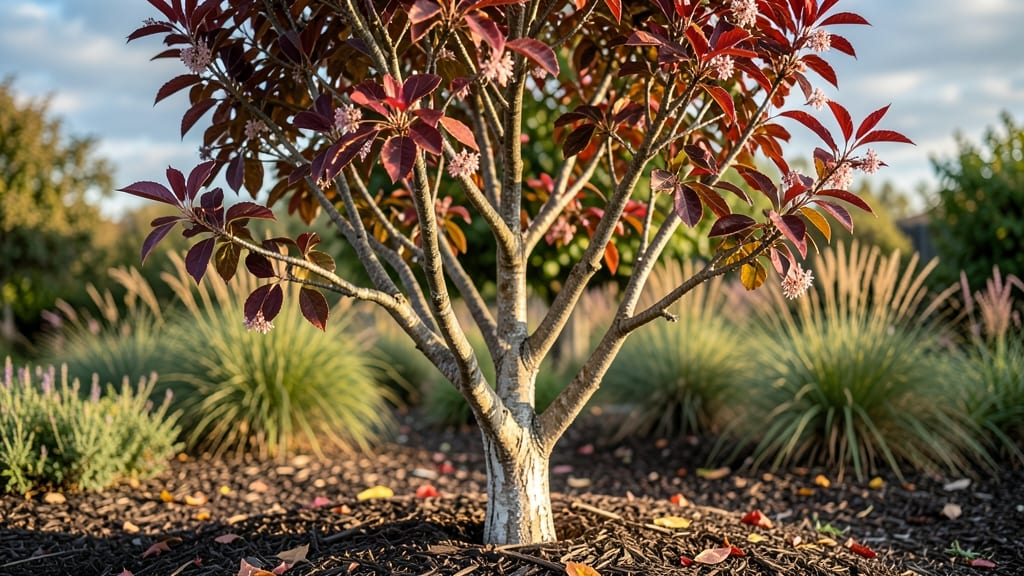
That tree form ninebark transforms from a shrub into a graceful, layered privacy screen in just five years—no magic, just the right pruning. 🌿 I’ve shaped mine into a small tree with a sturdy trunk and lush, multi-season foliage, and the secret lies in how you guide its growth from the start.
The key is planting it with a clear vision and pruning strategically to encourage that vertical structure without sacrificing its natural beauty.
Start with well-draining soil and full sun (at least 6 hours daily), spacing plants 8–10 feet apart to allow airflow and future growth. The first year is all about establishing roots, so water deeply once a week unless rain does the work.
Come spring, prune to remove any low branches that might compete with your desired tree shape—think of it like sculpting a living work of art. Summer pruning keeps the plant tidy, while winter pruning shapes it for the next growing season.
By year three, you’ll see that trunk thickening and fuller canopy you’re after, with vibrant foliage that turns fiery in fall. The blooms in early summer are a bonus, but the real star is how this plant stays disease-resistant and low-maintenance once established.
Pair it with ornamental grasses or boxwoods for a layered, textured look that feels intentional and effortless.
Pro tip: Avoid over-fertilizing—ninebark thrives on good soil and occasional pruning, not heavy feeding. If you’re planting multiple, stagger them by a few weeks to create a natural, staggered privacy screen. Within five years, you’ll have a small tree that’s both functional and stunning—no hedge clippers required.
📚 In This Guide
- What you need
- Instructions
- Tips and common mistakes
- Wrapping up and next steps
What you need
- ● Tree form ninebark plants: 3–5 young, healthy plants (3–5 ft tall) for a cohesive screen. Choose cultivars like 'Diablo' or 'Firedance' for vibrant foliage.
- ● Pruning shears: Sharp, bypass-pruners (rated for 2–3 inch cuts) to avoid crushing stems.
- ● Loppers: For thicker branches (1–2 inches in diameter).
- ● Hand saw: Pruning saw with a fine-tooth blade for stubborn branches.
- ● Gloves: Heavy-duty gardening gloves (cut-resistant for safety).
- ● Disinfectant: 70% isopropyl alcohol or pruning sealant to prevent disease spread.
- ● Stakes & twine: 3–4 ft wooden stakes and soft twine to support young plants during shaping.
- ● Mulch: 2–3 inches of organic mulch (e.g., shredded bark) to retain moisture and suppress weeds.
- ● Hedge trimmer: For faster, uniform shaping once the screen matures (electric or battery-powered recommended).
- ● Plant food: Slow-release fertilizer (e.g., 10-10-10) to boost growth in the first year.
- ● Pruning paint: Sealant for large cuts (1+ inch diameter) to prevent decay.
- ● Watering can or hose: With a gentle spray nozzle for post-pruning hydration.
- ● Safety glasses: To protect against debris when sawing thick branches.
How to grow a tree form ninebark for a privacy screen
Here's how I create a lush, sculpted privacy screen in just five years—no fancy tricks, just smart planting and care.
🌱 Step 1: Choose the Right Location and Planting Time
Ninebark thrives in full sun to partial shade, but for that classic tree form, pick a spot with at least 6 hours of direct sunlight daily. I always plant in early spring—right after the last frost—because the roots establish quickly when soil temperatures are warming. Avoid planting in hot summer months; the shock can stunt growth.
Dig a hole twice as wide as the root ball but only as deep—ninebark roots spread horizontally, so burying too deep suffocates them. Loosen the sides of the hole with a shovel or your hands to help roots spread into the native soil. This encourages that sturdy, upright form you want for a privacy screen.
🪴 Step 2: Plant and Stake for Structure
Remove the plant from its container and gently tease the roots apart if they're circling—they'll spread out naturally once in the ground. Place it in the hole so the top of the root ball sits 1 inch above ground level. Ninebark hates having its base buried too deep, which can lead to rot or weak stems.
Backfill with the native soil you dug out, tamping lightly every 6 inches to remove air pockets. Water deeply to settle the soil, then add a 2-inch layer of mulch (like shredded bark) around the base, keeping it 3 inches away from the trunk. Stake the plant only if needed—young ninebark is sturdy, but if your site gets windy, use two stakes on opposite sides and tie loosely with soft fabric.
☀️ Step 3: Prune for Shape and Encourage Fullness
Prune in late winter or early spring before new growth starts. Cut back any crossing branches or those growing inward to open the center of the plant—this prevents a dense, tangled mess. For a tree form, remove lower branches up to 12-18 inches from the ground to create a clean trunk. You’ll see new shoots emerge from the sides, filling in naturally over time.
Here’s the trick: don’t over-prune. Ninebark grows fast, and aggressive cuts can stress the plant. Instead, shape gradually. After the first year, you’ll notice the branches thicken and the foliage fill out—this is when your privacy screen starts to take shape. Water deeply once a week during dry spells, but avoid soggy soil.
🌿 Step 4: Maintain Soil and Fertility for Growth
Ninebark is tough, but it rewards consistent care. In early spring, spread a 2-3 inch layer of compost around the base (but not touching the trunk) to feed the roots. I use a slow-release fertilizer like 10-10-10 in early spring and midsummer—just follow the package rates. Over-fertilizing leads to weak growth, and ninebark is all about that sturdy structure.
Watch for powdery mildew on leaves—it’s common in humid climates. If you see it, prune for better airflow and apply neem oil as a preventative. Mulch annually in late winter to retain moisture and regulate soil temperature. In five years, your ninebark will stand 8-10 feet tall with a spread of 6-8 feet, creating a lush, living privacy screen.
⏰ Step 5: Plan for Long-Term Growth and Renewal
Every 3-4 years, thin out older branches to keep the center open and encourage new growth. Ninebark’s exfoliating bark adds texture, but if you want a cleaner look, remove any dead or damaged branches in late winter. Prune back any suckers at the base—they sap energy from your main plant.
By year five, your ninebark will be dense enough to block views and filter noise. The key is patience—let it grow naturally while guiding its shape. Water deeply but less frequently as it matures; established plants tolerate drought better. With this approach, you’ll have a low-maintenance, sculpted privacy screen that lasts for decades.
Tips & tricks for perfect tree form ninebark
Here's what nobody tells you about shaping ninebark into a stunning privacy screen—these are the details that make all the difference.
Location is Everything: That 6 hours of direct sunlight is non-negotiable for tree form development. I've planted ninebark in partial shade before, and while it survives, it never achieves that clean, upright structure we want. Look for spots where morning sun gives way to afternoon shade—this balance prevents leaf scorch while maintaining vigorous growth.
Root Ball Prep Makes All the Difference: When loosening those roots in Step 1, don't just poke around the edges—work your fingers deep into the root ball to break up any tight circles. I use my hands rather than tools to avoid damaging the delicate feeder roots. This technique prevents root girdling, which can strangle your plant's growth potential over time.
Pruning Timing is Critical: That late winter/early spring pruning window in Step 3 is your golden opportunity. Prune too early and you'll cut back into last year's growth that hasn't yet hardened off. Prune too late and you'll encourage tender new growth that won't survive winter. I mark my calendar for the first week of February—just as buds begin to swell but before any leaves appear.
Mulch Maintenance Matters: The 2-inch layer of mulch you add after planting isn't just for decoration—it's a living part of your plant's care system. Refresh that mulch layer every fall, but never pile it against the trunk. I use shredded hardwood bark because it breaks down slowly, providing steady moisture without compacting. This simple habit prevents soil crusting that can suffocate roots.
Pro Tips for Tree Form Ninebark
- Here's what nobody tells you about shaping ninebark into a stunning privacy screen—these are the details that make al...
- Location is Everything: That 6 hours of direct sunlight is non-negotiable for tree form development. I've planted nin...
- Root Ball Prep Makes All the Difference: When loosening those roots in Step 1, don't just poke around the edges—work ...
Frequently asked questions
Got questions about growing tree form ninebark into a stunning privacy screen? You’re not alone! Here are answers to the most common queries—so you can prune with confidence and watch your hedge thrive.
How fast does tree form ninebark grow into a privacy screen?
With proper care, tree form ninebark grows 3–5 feet per year when young. In ideal conditions, you can achieve a 10-foot-tall privacy screen in just 3–5 years. Prune annually in late winter or early spring to encourage denser growth and maintain shape.
When is the best time to prune tree form ninebark for a hedge?
The ideal pruning window is late winter to early spring (before new growth starts). For light shaping, you can also prune in summer after flowering. Avoid heavy pruning in fall—it can stimulate tender new growth vulnerable to frost damage.
Can I grow tree form ninebark in full shade?
While ninebark is adaptable to partial shade, it thrives best in full sun (6+ hours/day) for optimal foliage density and vibrant colors. In full shade, expect slower growth and less exfoliating bark. If shade is unavoidable, choose a north-facing spot with dappled light.
Why are my ninebark leaves turning yellow or brown?
Yellowing leaves often signal overwatering or poor drainage, while brown edges may mean underwatering or heat stress. Check soil moisture (it should be evenly moist but not soggy). Fungal issues (like powdery mildew) can also cause browning—improve airflow by pruning and avoid overhead watering.
What’s a good alternative if tree form ninebark grows too slowly?
For faster privacy, consider ‘Diablo’ ninebark (darker foliage, similar growth rate) or ‘Summer Wine’ hydrangea (5–6 ft/year). If you want evergreen options, try ‘Emerald Green’ arborvitae (2–3 ft/year) or ‘Sky Pencil’ holly (1–2 ft/year). All three are pruning-friendly!
Wrapping up and next steps
Transforming your yard with tree form ninebark is a rewarding journey that combines patience, skill, and a little creativity! 🌿 By mastering the right pruning techniques—like thinning, shaping, and strategic cuts—you can cultivate a stunning, dense privacy screen in just five years.
Remember, consistency is key, and every snip brings you closer to your lush, natural-looking hedge.
Ready to roll up your sleeves? Start small—pick a sunny spot, gather your tools, and begin pruning this season. Your future privacy oasis (and your neighbors’ envy) await!