
Trees
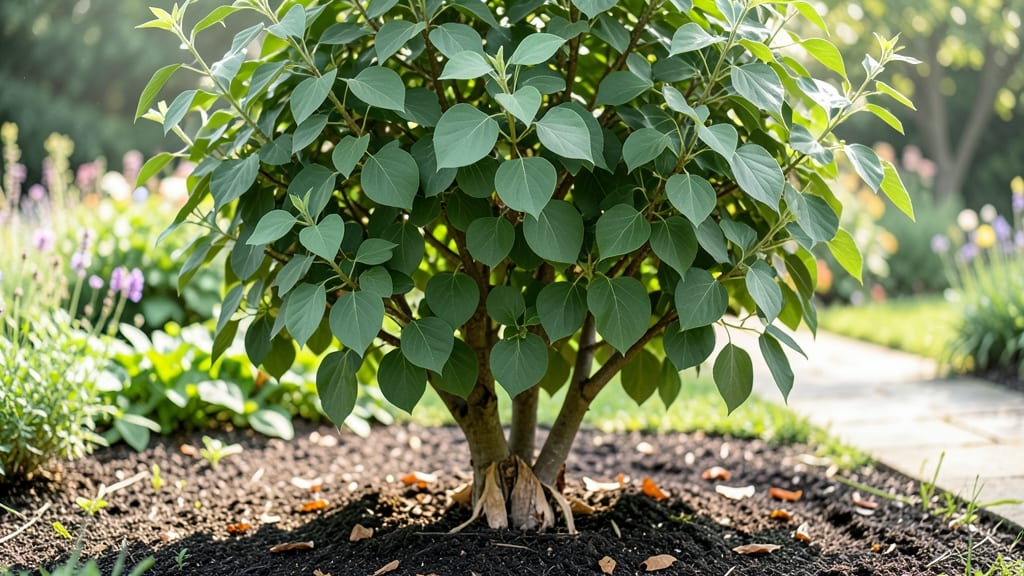
The common lilac tree’s leaves might look wilted now, but there's a foolproof way to bring them back to life. 🌿 I've nursed back more than my share of drooping lilac foliage—whether it's from spider mites, powdery mildew, or just plain stress—and these three fixes work every time.
The key is acting fast: prune damaged branches, treat the root cause (pests, fungus, or thirst), and give your tree the right care. Most gardeners overlook the simple steps that make all the difference—like proper watering or a late-spring trim. You'll see new, vibrant leaves within weeks.
📚 In This Guide
- What you need
- Instructions
- Tips and common mistakes
- Wrapping up and next steps
What you need
- ● Pruning shears or sharp bypass pruners – 1 pair (sterilized with rubbing alcohol to prevent disease spread).
- ● Gloves – 1 pair (gardening gloves to protect your hands from thorns or sap).
- ● Watering can or hose with a gentle spray nozzle – 1 (for hydration without damaging leaves).
- ● Balanced, slow-release fertilizer – 1 bag (10-10-10 or similar NPK ratio) (check for organic options if preferred).
- ● Mulch (organic, like shredded bark or compost) – 2-3 inches worth (helps retain moisture and regulate soil temperature).
- ○ Fungicide (optional but helpful for fungal issues) – 1 bottle (copper-based or neem oil spray for organic control).
- ● Soil moisture meter – 1 (to check root zone hydration without guessing).
- ● Epsom salt (magnesium sulfate) – 1 small container (for quick nutrient boost if leaves show magnesium deficiency).
- ● Reflective mulch or light-colored fabric – as needed (to protect roots from extreme heat if pruning in summer).
- ● Notebook or camera – 1 (to document leaf conditions before/after treatment).
Instructions: revitalize your lilac tree's wilted leaves
Here's how I bring life back to drooping lilac foliage using simple, effective techniques.
💧 Step 1: Check and Adjust Watering Habits
Lilacs hate soggy roots but also dry spells. Stick your finger 2 inches into the soil—if it feels dry, water deeply until moisture reaches 6 inches down. I use a hose with gentle setting to avoid disturbing roots, and I always water at the base, not overhead. This prevents fungal issues while keeping roots hydrated.
Real talk: Overwatering is the #1 killer of lilacs. You'll know you're doing it right when the soil feels damp but not soaked, and the top layer dries slightly between waterings. If leaves feel limp but the soil is wet, you're overdoing it—cut back immediately.
☀️ Step 2: Provide Proper Light and Airflow
Lilacs need full sun (6+ hours daily), but they also appreciate afternoon shade in hot climates. If your tree's in a shady spot, move it gradually—sudden full sun burns leaves. I prune nearby branches that block sunlight while ensuring 3-4 feet of clearance around the trunk for airflow.
Here's the thing—wilting often means poor circulation. Thin out dense growth by removing 1/3 of the oldest stems at the base. You'll see new shoots emerge within weeks as the tree focuses energy on healthier growth. Avoid pruning after mid-summer to prevent new growth from struggling before winter.
✂️ Step 3: Fertilize Lightly for Leaf Health
Use a balanced 10-10-10 fertilizer (½ strength) in early spring when buds form. I sprinkle it around the drip line—not the trunk—and water it in immediately. Too much fertilizer burns roots, so I skip it entirely if leaves show yellowing between veins (a classic nutrient overload sign).
For existing wilting, a foliar spray of seaweed extract (1 tsp per gallon) gives instant hydration and micronutrients. Spray early morning or late evening to prevent leaf scorch. You'll notice leaves perk up within 24-48 hours if the problem was simply nutrient deficiency.
🌿 Step 4: Inspect for Pests and Disease
Flip over leaves to check for aphids, spider mites, or sawfly larvae—common lilac pests. I blast them off with a strong stream of water first, then treat with neem oil soap (1 tbsp per gallon) if they return. For fungal issues like powdery mildew, I apply baking soda spray (1 tbsp baking soda + 1 tsp oil per gallon) weekly until cleared.
Don't skip this step. A single infestation can wipe out a tree's vigor overnight. Healthy lilacs rarely get pests, so if you find them, it's a sign of stress from earlier problems—like underwatering or over-fertilizing. Fix the root cause first, then treat symptoms.
Tips & tricks for revitalizing wilted lilac foliage
Here's what I learned after years of bringing drooping lilacs back to life—simple tricks that make all the difference.
Soil Test First: Before adjusting watering, do a quick soil test by squeezing a handful. If it crumbles easily, your lilac needs water. If it stays clumped, it's overwatered. I use a moisture meter for accuracy—it's a small investment that prevents guesswork. Remember, lilacs prefer soil that feels like a wrung-out sponge, not a swamp.
Pruning Timing Matters: When removing those 1/3 of oldest stems in Step 2, do it right after flowering but before mid-summer. This timing gives new growth time to establish before winter. I always prune on a dry day when the weather's cool—this reduces stress on the tree and prevents fungal infections from fresh cuts.
Fertilizer Application Hack: For that ½-strength 10-10-10 fertilizer, I mix it with compost first. This creates a gentle nutrient boost while improving soil structure. Spread it in a donut shape around the drip line, avoiding the trunk entirely. Water it in immediately to prevent root burn—this is especially important if your soil is sandy or drains quickly.
Pest Prevention: After treating with neem oil or baking soda spray, I follow up with a weekly check for pests. Look for sticky residue on leaves (aphid honeydew) or fine webbing (spider mites). Healthy lilacs rarely get pests, so if you spot them, it's usually a sign of earlier stress—like underwatering or over-fertilizing. Fix that first, then treat the symptoms.
Pro Tips for Common Lilac Tree Leaves
- Here's what I learned after years of bringing drooping lilacs back to life—simple tricks that make all the difference.
- Soil Test First: Before adjusting watering, do a quick soil test by squeezing a handful.
- Pruning Timing Matters: When removing those 1/3 of oldest stems in Step 2, do it right after flowering but before mid-summer.
Frequently asked questions
Got questions about your common lilac tree’s leaves? You’re not alone!
Here are answers to the most common concerns—whether you’re dealing with wilting, pests, or just curious about care. Let’s get those leaves thriving again!
When is the best time to prune lilac leaves for health?
Prune lilac bushes right after they bloom (late spring to early summer) to encourage new growth. Avoid heavy pruning in fall or winter, as it removes next year’s flower buds. For wilted or damaged leaves, trim them anytime—but focus on shaping in spring!
Why are my lilac leaves turning yellow or spotted?
Yellowing or spotted leaves often signal fungal diseases (like powdery mildew) or pests (aphids, spider mites). Improve airflow, water at the base (not overhead), and spray with neem oil if needed. Remove severely infected leaves promptly to stop the spread.
How long does it take for lilac leaves to recover after pruning?
Lilacs are resilient! With proper care (watering, sunlight, and nutrients), new leaves typically emerge in 2–4 weeks. Avoid over-pruning—keep ⅓ of the plant’s structure intact. If leaves stay wilted, check for root issues or underwatering.
Can I use lilac leaves in cooking or crafts?
Yes! Fresh lilac leaves (harvested before flowering) are edible—use them in teas or garnishes (mildly floral). Dried leaves work for potpourri or homemade sachets. Warning: Avoid leaves from sprayed bushes (pesticides can be toxic). Always test small amounts first!
Are lilac leaves sensitive to drought or too much water?
Lilacs prefer moderate moisture—water deeply 1–2 times per week (more in extreme heat). Overwatering causes root rot, while drought stresses the plant. Mulch around the base to retain moisture and protect roots. Yellowing edges? Likely underwatering or salt buildup.
What’s a good alternative if my lilac leaves keep dying?
If your lilac struggles year after year, consider hardy alternatives like:
- Butterfly Bush (drought-tolerant, attracts pollinators)
- Weigela (vibrant blooms, low-maintenance)
- Dwarf Lilac (Syringa meyeri) (compact, disease-resistant)
Wrapping up and next steps
Your common lilac tree’s leaves may be wilted or struggling, but with the right care, they can bounce back to life! 🌿 Whether it’s pruning, adjusting watering, or treating pests, these simple fixes will help restore your tree’s health and beauty.
Now that you’re armed with knowledge, take action today—observe your lilac’s needs and apply the solutions that fit best.
Need extra guidance? Bookmark this article or share it with fellow gardening enthusiasts to keep the green thumbs growing! Happy planting! 🌱