
Pruning
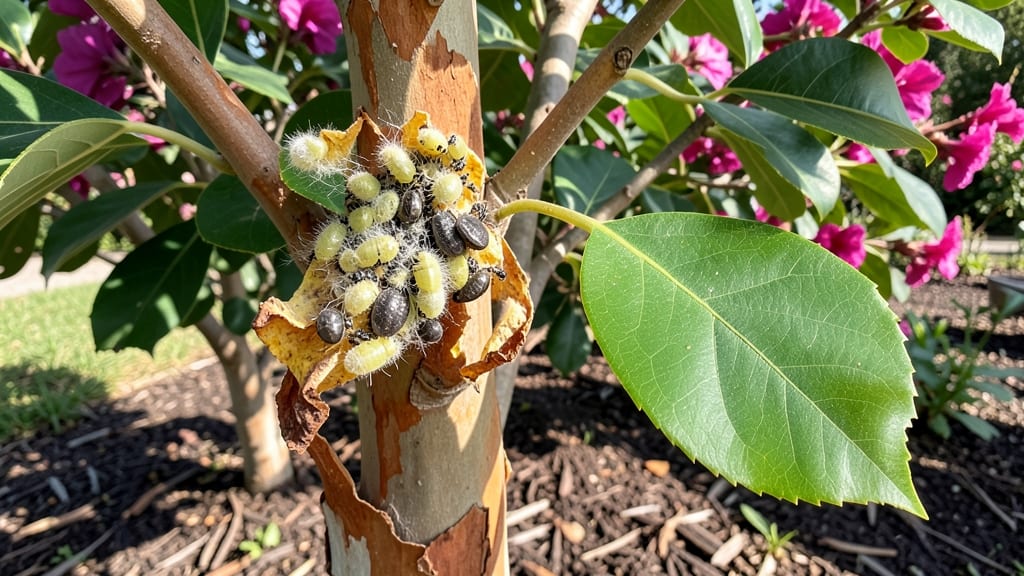
Crepe myrtle tree lice turn your stunning summer blooms into sticky, sooty messes—fast. 🌿 I’ve battled these sap-sucking pests on my own trees, and the secret to stopping them lies in a natural spray that works within days, not weeks.
No harsh chemicals needed, just targeted solutions that actually break the infestation cycle.
The problem starts small—tiny white specks on leaves or stems—but if ignored, these pests multiply into full-blown colonies that weaken your tree. My go-to spray combines neem oil, insecticidal soap, and a dash of horticultural oil, applied at the right time (early morning or evening) for maximum effectiveness.
The key? Reapplication every 5-7 days until you see new growth free of pests.
Within 10-14 days, you’ll notice fewer sticky residues on leaves, and new buds will emerge without the telltale signs of infestation. The best part? This method keeps your tree healthy long-term, preventing future outbreaks while supporting beneficial insects that naturally keep pests in check.
Works for all crepe myrtle varieties, whether you’re dealing with aphids, scale, or mealybugs. The spray is safe for pets and kids once dry, and you’ll save money compared to chemical treatments. Let’s get your tree back to its glory—without the pests.
Root Causes Of Crepe Myrtle Infestations
When tiny, sap-sucking pests like crepe myrtle bark lice (often mistaken for scale or aphids) invade your tree, they don’t just appear out of nowhere. These critters thrive due to specific environmental and plant-related triggers.
Understanding why they target your crepe myrtle is the first step to stopping them in their tracks. Let’s break down the science behind their behavior.
Crepe myrtle trees under stress are like open invitations to pests. When a tree’s natural defenses are compromised, bark lice and similar insects detect the vulnerability and move in. Here’s why this happens:
- Nutrient Deficiencies:
Lack of essential nutrients—especially nitrogen, phosphorus, or potassium—weakens the tree’s bark and foliage. Weakened tissue is easier for pests to penetrate with their piercing mouthparts. Pro tip: A soil test can reveal deficiencies before they become a pest magnet! 💡
- Drought Stress:
Crepe myrtles are drought-tolerant, but prolonged dry spells force the tree to conserve water, thickening its bark and reducing sap flow. While this might seem protective, it also creates ideal conditions for bark lice, which thrive in dry, flaky bark where they can hide and feed undisturbed.
- Poor Pruning Practices:
Over-pruning, especially during late winter or early spring, can shock the tree and leave it susceptible to infestations. Pests target freshly wounded areas where sap is exposed, making the tree an easy meal. Actionable fix: Prune in late winter before new growth starts to minimize stress.
Location and spacing play a bigger role than you might think. Crepe myrtles that are planted too closely together or in shaded, humid environments create the perfect storm for pest outbreaks. Here’s how:
- Limited Air Circulation:
Tightly packed trees or those growing in dense foliage trap moisture, creating a humid microclimate. Bark lice and related pests love this environment because it slows down natural predators (like ladybugs or lacewings) and keeps their eggs from drying out.
- Shade Stress:
Crepe myrtles need full sun to thrive. When shaded by buildings, larger trees, or overhanging branches, they produce weaker growth with thinner bark—an all-you-can-eat buffet for sap-sucking insects. Solution: Trim nearby obstructions to restore sunlight exposure.
- Soil Compaction:
Heavy foot traffic, construction, or poor drainage can compact soil around the roots, restricting water and nutrient uptake. Stressed roots lead to stunted growth and a tree that’s more prone to pest attacks. Fix: Aerate compacted soil and mulch to improve root health.
Bark lice aren’t just random visitors—they follow a predictable life cycle that aligns with crepe myrtle growth patterns. Understanding their timeline helps explain when and why infestations spike:
| Life Stage | Why It Matters | Peak Activity |
|---|---|---|
| Egg Stage | Females lay eggs in bark crevices during warm, humid periods. If conditions are ideal (high moisture, little wind), hatching rates skyrocket. | Late spring to early summer |
| Nymph Stage | Newly hatched nymphs are highly mobile and cluster where sap is abundant—often near pruning wounds or leaf axils. | Summer (June–August) |
| Adult Stage | Adults produce a waxy coating (mistaken for scale) to protect themselves. They overwinter in bark, emerging in spring to feed and reproduce. | Fall (September–November) and early spring |
Key takeaway: If you notice infestations flaring in late spring or summer, it’s likely due to ideal egg-hatching conditions. Monitoring these cycles lets you time interventions for maximum impact. ⏰
Pests don’t just appear—they’re often invited by environmental conditions. Crepe myrtle bark lice are no exception. Here’s how weather and surroundings set the stage:
- Humid Summers:
High humidity slows down the tree’s ability to heal wounds, leaving it vulnerable to pests. Additionally, moisture helps lice maintain their waxy protective layers, making them harder to dislodge.
- Mild Winters:
In regions with mild winters, bark lice survive the cold more easily, leading to larger populations the following spring. Pro tip: If your area has mild winters, consider preventive treatments in early spring to knock back populations before they explode. ✨
- Nearby Host Plants:
Crepe myrtle bark lice can jump to other trees like oaks, elms, or even fruit trees. If infested trees are nearby, your crepe myrtle is at higher risk of cross-contamination.
Quick Fixes for Crepe Myrtle Tree Pests
If your crepe myrtle tree is under siege by tiny invaders—likely aphids, scale insects, or mealybugs (often mistaken for "lice")—don’t panic. These pests may look alarming, but they’re beatable with the right approach.
Below, we’ll break down targeted solutions based on the root cause, from mild infestations to stubborn outbreaks. Plus, we’ll share preventive tips to keep your tree thriving long-term.
Before treating, confirm what’s attacking your tree. Common culprits include:
- Aphids (tiny, soft-bodied, clustered on new growth)
- Scale insects (brown/bumpy, immobile, stuck to leaves/branches)
- Mealybugs (fluffy white cotton-like clusters)
- Spider mites (tiny red/yellow specks, webbing between leaves)
Pro tip: 🔍 Use a hand lens or magnifying glass to inspect leaves and stems closely. If you’re unsure, snap a photo and compare it to online guides (like University of Florida’s pest ID tool).
For light to moderate infestations, these DIY sprays are effective, safe for pets, and eco-friendly:
👨🍳 Homemade Soap Spray (Best for Aphids & Mealybugs)
Why it works: Breaks down pests’ protective wax layers, dehydrates them. Ingredients:
- 1 tbsp mild liquid castile soap (or insecticidal soap)
- 1 quart lukewarm water
- 1 tsp horticultural oil (optional, for extra stickiness)
How to use:
- Mix gently—avoid suds, as they can damage leaves.
- Spray thoroughly (top and bottom of leaves, stems, buds) on a calm day (wind can scatter pests).
- Reapply every 5–7 days for 2–3 weeks.
⚠️ Caution: Test on a small leaf first—some trees are sensitive to soap.
🥘 Neem Oil Solution (All-Purpose Pest Killer)
Why it works: Disrupts pests’ life cycles and repels future infestations. Ingredients:
- 1 tbsp neem oil (100% cold-pressed)
- 1 tsp horticultural oil or mild soap (as an emulsifier)
- 1 quart water
How to use:
- Shake well before each use (neem oil separates).
- Spray in the evening (UV light degrades neem oil).
- Repeat weekly for 3–4 weeks.
💡 Pro tip: 🌡️ For best results, apply when temps are above 50°F—neem oil works poorly in cold weather.
🔪 Garlic & Chili Pepper Spray (Natural Repellent)
Why it works: Pests hate the strong scent and capsaicin in garlic/chili. Ingredients:
- 2 cloves garlic, minced
- 1 tbsp chili powder (or 1 fresh chili, blended)
- 1 tsp dish soap (as a surfactant)
- 1 quart water
How to use:
- Blend garlic, chili, and water into a paste.
- Strain through cheesecloth to remove solids.
- Spray directly on pests (focus on clusters).
- Reapply every 3–4 days until pests vanish.
If sprays aren’t enough, physical removal can help:
🧼 Blasting Off Pests with Water
- Use a strong hose spray (60+ PSI) to knock off aphids/scale from leaves and branches.
- Do this early in the morning on a warm day (pests are sluggish and easier to dislodge).
- Repeat weekly until the tree looks clean.
🧽 Pruning Infested Branches
- Cut off heavily infested stems or leaves with sterilized pruners (wipe with rubbing alcohol between cuts).
- Dispose of clippings in sealed bags (don’t compost—they’ll reinfest).
- Focus on new growth where pests love to hide.
Once your tree is pest-free, keep it that way with these habits:
- 🌱 Healthy Tree = Fewer Pests
- Water deeply but infrequently (overwatering stresses trees, attracting pests).
- Fertilize in early spring with a balanced, slow-release fertilizer (over-fertilizing invites aphids).
- Prune in late winter to improve airflow (pests thrive in dense, shaded areas).
- 🐞 Encourage Natural Predators
- Ladybugs, lacewings, and parasitic wasps eat pests. Attract them with:
- Native flowering plants (like dill, fennel, or marigolds).
- Avoiding broad-spectrum pesticides (they kill good bugs too).
- Ladybugs, lacewings, and parasitic wasps eat pests. Attract them with:
- 🕵️ Regular Inspections
- Check your tree every 2 weeks during growing season (spring–fall).
- Early detection = easier fixes!
- 🌿 Mulch Properly
- Use 2–3 inches of organic mulch (wood chips, pine straw) to suppress weeds (which pests hitchhike on).
- Keep mulch 6 inches away from the trunk to prevent rot.
If your tree has:
- Heavy black sooty mold (a fungus fed by pest honeydew).
- Wilted or dying branches despite treatment.
- Repeated infestations year after year.
A local arborist can assess for hidden issues (like disease or nutrient deficiencies) and recommend targeted treatments (e.g., systemic insecticides if natural methods fail).
| Step | Action | Frequency |
|---|---|---|
| Spray treatment | Neem oil or soap spray | Every 5–7 days |
| Water blast | High-pressure hose | Weekly (if needed) |
| Prune & dispose | Remove infested branches | As needed |
| Inspect | Check for pests | Every 2 weeks |
| Fertilize | Balanced fertilizer | Early spring |
With consistency and patience, your crepe myrtle will bounce back—pest-free and lush in no time! 🌿✨
Frequently asked questions
What do crepe myrtle tree "lice" actually look like?
These tiny pests are usually aphids, scale insects, or mealybugs—not true lice. Aphids appear as tiny green/black clusters on new growth, while scale looks like small brown bumps stuck to stems. Mealybugs form fluffy white cotton-like patches. Use a magnifying glass to inspect leaf undersides and bark crevices where they hide.
How quickly will my tree recover after treatment?
With consistent neem oil or insecticidal soap sprays (applied every 5-7 days), you’ll typically see improvement in 10-14 days. New growth should emerge pest-free within 3-4 weeks of starting treatments. Severe infestations may take longer, but regular inspections help track progress.
Can I use store-bought pesticides safely on my crepe myrtle?
Chemical pesticides can work, but they often kill beneficial insects too. For organic options, try horticultural oil or insecticidal soap first. If you choose chemicals, opt for systemic treatments like imidacloprid (applied to soil) and follow label instructions precisely. Always test a small branch first to check for sensitivity.
Why do I keep seeing new pests even after treatment?
Pests often return due to reinfestation from nearby plants or new eggs hatching. Focus on pruning infested branches and removing weeds (which harbor pests). Apply treatments every 5-7 days for 3-4 weeks to break their life cycle. Check neighboring trees too—they might be the source!
Is sooty mold dangerous to my crepe myrtle?
Sooty mold itself isn’t harmful, but it’s a sign of honeydew (pest waste) clogging leaves, blocking sunlight. This weakens the tree over time. Clean mold with a hose spray and treat the underlying pests. Once the infestation is gone, new growth will emerge clean and healthy.