
Pruning
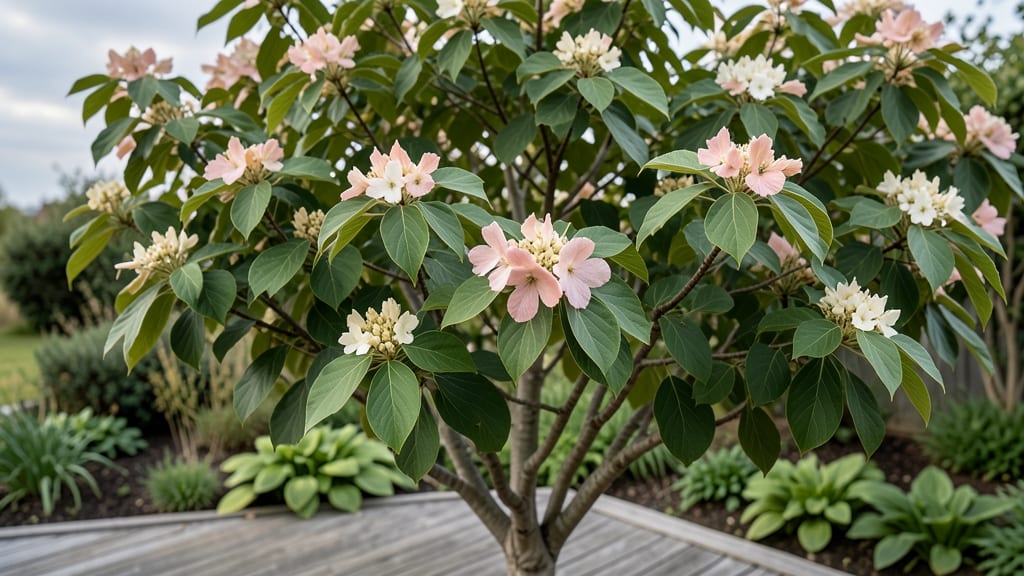
Growing a dogwood tree in a pot turns your patio into a four-season showpiece. 🌿 I’ve watched mine bloom with pink perfection for years, and the secret isn’t magic—it’s matching the right container, soil, and care to what this tree actually needs.
Most people overlook how much space roots really need, which is why so many potted dogwoods struggle after just a few seasons.
The key starts with a container at least 24 inches wide and deep—dogwoods hate being root-bound. Use a high-quality potting mix with 30% organic matter (like compost or peat moss) to mimic woodland soil, and always include drainage holes.
Place your pot where it gets morning sun and afternoon shade, since direct afternoon rays scorch the delicate leaves. Water deeply when the top inch feels dry, but never let it sit in soggy soil—root rot is the silent killer of potted dogwoods.
With proper care, your tree will reward you with spring blooms, glossy summer foliage, and fiery fall color—all while staying compact enough for patios or small yards. The trade-off? You’ll need to repot every 3-4 years to refresh the soil and give roots room to grow.
Prune lightly in late winter to shape the canopy, but never cut more than 25% of the branches at once, or you’ll shock the tree into skipping its spring display.
This method works for both Kousa and flowering dogwoods, though Kousas handle heat and humidity better. For colder climates, move the pot to a sheltered spot or wrap the container in burlap during winter.
The biggest mistake? Skipping winter prep—frozen roots mean no blooms next spring. Stick with these basics, and your potted dogwood will outshine every neighbor’s yard tree.
📚 In This Guide
- What you need
- Instructions
- Tips and common mistakes
- Wrapping up and next steps
What you need
- ● Container: A large, durable pot (18–24 inches in diameter) with drainage holes. Opt for terracotta or ceramic for breathability.
- ● Dogwood tree: A dwarf variety (e.g., Cornus florida ‘Cherokee Brave’ or Cornus kousa ‘Milky Way’) or a young sapling (3–5 ft tall).
- ● High-quality potting mix: A well-draining blend (60% potting soil, 30% perlite, 10% compost). Avoid garden soil—it compacts!
- ● Mulch: Organic mulch (e.g., shredded bark or pine needles) to retain moisture and regulate temperature.
- ● Pruning shears: Bypass pruners (sharp, clean, and sterilized with rubbing alcohol).
- ● Gloves: Heavy-duty gardening gloves to protect from thorns and sap.
- ● Trowel or spade: For repotting or adjusting soil.
- ● Watering can: With a rose attachment for gentle, deep watering.
- ○ pH tester (optional): To check soil acidity (dogwoods prefer 5.0–6.5).
- ○ Slow-release fertilizer (optional): A balanced 10-10-10 or acid-loving plant fertilizer (apply in early spring).
- ● A sunny or partially shaded spot (6+ hours of light for flowering varieties).
- ● Seasonal timing: Prune in late winter or early spring (before buds swell) or summer after flowering.
- ● Patience! Dogwoods grow slowly—expect 6–12 inches of growth per year in pots.
Step-by-step guide to growing a dogwood tree in a pot
Here's my go-to method for keeping a stunning dogwood thriving in containers—perfect for patios or small yards.
🪴 Step 1: Choose the Right Container and Drainage
Dogwoods need room to grow, so pick a pot at least 18 inches wide and deep—they hate being root-bound. I use unglazed terra cotta because it breathes and prevents soggy roots. Make sure it has multiple drainage holes (at least 3-4) to avoid waterlogging, which can kill the roots quickly.
If your pot lacks drainage, drill holes yourself—just don’t go bigger than ½ inch to keep soil from washing out. Place a 2-inch layer of gravel or broken pottery at the bottom before adding soil. This ensures excess water drains away while keeping the root zone stable.
🌱 Step 2: Select and Prepare the Soil Mix
Dogwoods thrive in well-draining, slightly acidic soil (pH 5.5-6.5). Mix 50% high-quality potting soil with 30% perlite or pumice (for aeration) and 20% peat moss or compost (for moisture retention). Avoid garden soil—it compacts and suffocates roots.
Fill the pot ⅔ full with your mix, then tap the sides gently to settle it. Leave 2-3 inches of space at the top for watering. Dogwoods are sensitive to soggy feet, so the extra room helps prevent overwatering. I always add a slow-release fertilizer (like 10-10-10) mixed into the soil at planting time for a steady nutrient boost.
☀️ Step 3: Plant and Position for Light
Dig a hole in the soil twice as wide as the root ball but no deeper. Gently remove the dogwood from its nursery pot and loosen any circling roots with your fingers. Place it in the hole so the top of the root ball sits 1 inch below the pot’s rim—this prevents stem rot from sitting water.
Backfill with soil, pressing lightly to remove air pockets. Water deeply until it drains from the holes below. Dogwoods need full sun to partial shade (6+ hours of sunlight daily). In hot climates, afternoon shade protects the leaves from scorching. If your patio gets intense afternoon sun, position the pot where it gets morning light and dappled shade after noon.
💧 Step 4: Water and Maintain Moisture
Water when the top 1-2 inches of soil feel dry to the touch. Dogwoods in pots dry out faster than in-ground trees, so check daily in summer. Water deeply until it runs out the drainage holes—this encourages strong root growth. I use a watering can with a narrow spout to direct moisture to the roots without splashing leaves (which can cause fungal issues).
Mulch the soil surface with 2 inches of bark or shredded leaves to retain moisture and regulate temperature. Keep mulch 2 inches away from the trunk to prevent rot. In winter, add an extra 1-2 inches of mulch and wrap the pot in burlap if temperatures drop below 20°F—this protects roots from freezing.
✂️ Step 5: Prune and Fertilize for Compact Growth
Prune in late winter or early spring before new growth starts. Remove dead, crossing, or weak branches first, then shape the tree by cutting back overly long branches by ⅓. Dogwoods bloom on old wood, so avoid heavy pruning after flowering. Use clean, sharp pruners to make cuts just above a bud or branch collar.
Fertilize twice a year: once in early spring (when buds swell) and again in mid-summer (after flowering). Use a balanced, slow-release fertilizer (like 10-10-10) at half the recommended strength—dogwoods are sensitive to over-fertilizing. Water the tree 24 hours before and after fertilizing to prevent root burn.
Tips & tricks for perfect container-grown dogwoods
Here’s what I’ve learned after keeping dogwoods in pots for years—these tricks keep them thriving where others fail.
Pot Size Matters: That 18-inch minimum isn’t just a suggestion—dogwoods grow surprisingly fast in containers. If you see roots circling the bottom after 2 years, it’s time to upgrade to a 20- or 22-inch pot. I’ve seen dogwoods in too-small pots develop shallow root systems that make them prone to drought stress and winter damage.
Soil pH Test First: Dogwoods are fussy about acidity, and store-bought potting mixes often skew neutral. Grab a soil pH test kit (they’re cheap!) before planting. If your mix tests above 6.5, stir in a handful of sulfur or use a pH-lowering fertilizer like aluminum sulfate. I’ve had dogwoods in pots turn yellow because the soil was too alkaline—don’t let that happen to you.
Light Adjustments for Seasons: Dogwoods need 6 hours of sun daily, but summer’s intense afternoon rays can scorch leaves. If your patio gets harsh afternoon sun, move the pot to a shadier spot during those hours. In winter, they’ll tolerate more sun since the angle is gentler. I’ve had dogwoods in pots survive winter just fine in full sun when placed against a south-facing wall.
Winter Protection Hack: That 20°F threshold is critical—below that, roots can freeze even in insulated pots. My trick? Place the potted dogwood on a bed of straw or foam board before wrapping it in burlap. This adds an extra insulating layer without taking up extra space. I’ve kept dogwoods in pots through -10°F winters this way without any damage.
Pro Tips for Dogwood Tree In Pot
- Here’s what I’ve learned after keeping dogwoods in pots for years—these tricks keep them thriving where others fail.
- Pot Size Matters: That 18-inch minimum isn’t just a suggestion—dogwoods grow surprisingly fast in containers.
- Soil pH Test First: Dogwoods are fussy about acidity, and store-bought potting mixes often skew neutral.
Frequently asked questions
Got questions about keeping a dogwood tree thriving in a pot?
Here are some common ones—plus quick, practical answers to help you grow with confidence!
How often should I repot my dogwood tree in a container?
Repot your dogwood every 2–3 years or when roots circle the pot’s base. Spring is ideal—avoid disturbing roots during dormancy. Choose a container just 2–3 inches wider than the current one, with drainage holes to prevent soggy soil.
Can a potted dogwood survive winter outdoors?
Yes, but with protection! Wrap the pot in burlap and add a thick layer of mulch around the base. Move it to a sheltered spot (like a garage or under an eave) if temps drop below 10°F. Water sparingly—never let soil freeze.
What’s the best soil mix for a potted dogwood?
Use a well-draining mix: 60% potting soil, 20% perlite, and 20% compost. Dogwoods hate soggy roots! Add a handful of sand if your soil stays damp. Avoid heavy garden soil—it compacts and suffocates roots.
Why are my potted dogwood leaves turning yellow?
Yellow leaves usually mean overwatering or nutrient deficiency. Check soil moisture—it should dry out 1–2 inches deep between waterings. Feed with a balanced fertilizer (10-10-10) in spring and summer. Yellow edges? It might need more iron.
Are there dwarf dogwood varieties better for pots?
Try ‘Pocahontas’ (6–8 ft tall) or ‘Little Cloud’ (3–4 ft), both compact and perfect for containers. These stay manageable while still offering stunning blooms. Just ensure the pot is at least 18 inches wide for mature roots.
Wrapping up and next steps
Growing a dogwood tree in a pot is a rewarding way to enjoy its stunning blooms and lush foliage—even in tight spaces! With the right container, soil, and pruning techniques, you’ll keep your tree healthy, compact, and thriving.
Remember, regular care like deadheading spent flowers and light pruning ensures a vibrant display year after year.
Ready to transform your patio or balcony into a mini woodland paradise? Start by selecting the perfect pot and get pruning—your dogwood will thank you with breathtaking blooms! 🌸🌿