
Pruning
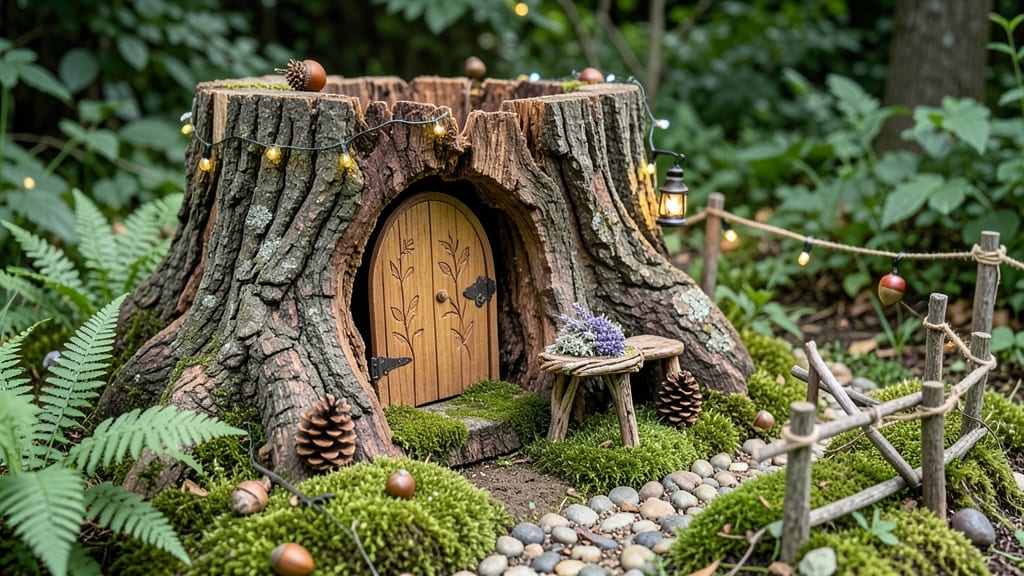
Building a fairy house out of a tree stump transforms an old stump into a magical miniature dwelling using natural elements like moss, twigs, and pinecones for a charming garden centerpiece.
A tree stump's natural curves and hollowed interior make it the perfect canvas for fairy houses, blending seamlessly into garden landscapes. 🌿 The key is starting with a stump that's partially decayed—soft enough to carve but sturdy enough to hold decorations.
I recommend selecting one with a natural depression in the center, which you can gently hollow out using a small hand saw or chisel. This creates instant character without requiring advanced woodworking skills, and the rough texture provides natural grip for tiny furniture pieces like acorn stools or twig benches.
Once the stump is prepped, the real magic happens with decorating.
Collect materials like Spanish moss for roofs, smooth river stones as stepping stones, and flower petals for pathways. 💫 The goal is to mimic a real fairy dwelling with details like miniature doors (made from bark slices) or windows (tiny shells or acorn caps).
Seasonal touches—pine needles for winter or wildflowers for spring—keep the fairy house evolving with nature.
💡 In This Article
- Selecting and Preparing the Perfect Tree Stump for Fairy Houses
- Natural Decorating Ideas for Tree Stump Fairy Homes
Selecting and preparing the perfect tree stump for fairy houses
The ideal tree stump for a fairy house should be 6-12 inches in diameter and show signs of natural decay—soft enough to carve but not so rotted it crumbles. 🌳 Look for stumps with a hollowed center or natural depressions, which eliminate the need for aggressive carving.
Softwoods like pine or fir decay faster and are easier to work with than hardwoods like oak, which require more effort to hollow. The stump's location matters too: choose a spot with partial shade to preserve moss decorations and protect them from harsh sunlight.
Before transforming the stump, clean it thoroughly using a stiff brush to remove dirt, debris, and loose bark. Let it dry completely in the sun for 2-3 days to prevent mold growth during construction.
For extra stability, you can seal the outer surface with a natural wood preservative like linseed oil, which also enhances the wood's natural grain. 🔨 If the stump is too hard to carve, soak it in water for 24 hours to soften the fibers—this makes the wood more pliable without compromising its structural integrity.
When hollowing out the interior, start with a small hand saw or chisel to create an opening about 3-4 inches deep. The goal is to create a cozy space for fairy-sized furniture while maintaining the stump's natural shape.
Leave some walls intact to provide structural support, especially if you plan to add heavy decorations like larger pinecones or stones. For safety, wear gloves and a dust mask—wood particles from decaying stumps can irritate skin and lungs.
Advanced crafters might consider using a Dremel tool with a wood-carving bit for finer details, but even basic tools can achieve great results.
The key is patience: take your time to shape the interior into a rounded, dome-like space that mimics a natural fairy dwelling. 💫 Avoid over-carving, as the stump's natural texture becomes part of the charm.
Once the basic structure is complete, let it cure for another 24 hours before adding decorations to ensure everything stays in place.
Consider the stump's placement in your garden—fairy houses thrive near water features, under trees, or along garden paths where they can become part of the landscape.
A stump near a birdbath or small pond adds an extra magical touch, as it suggests the fairies might visit for a drink. 🌊 The surrounding environment should complement the stump's natural colors: earthy browns, greens, and grays create a cohesive look that blends seamlessly with nature.
For those working with larger stumps (12+ inches), you can create a two-story fairy house by adding a second level with smaller branches or additional stump pieces stacked on top.
This adds depth and complexity to your design while utilizing more natural materials. The possibilities are endless, limited only by your imagination and the stump's natural shape!