
Pruning
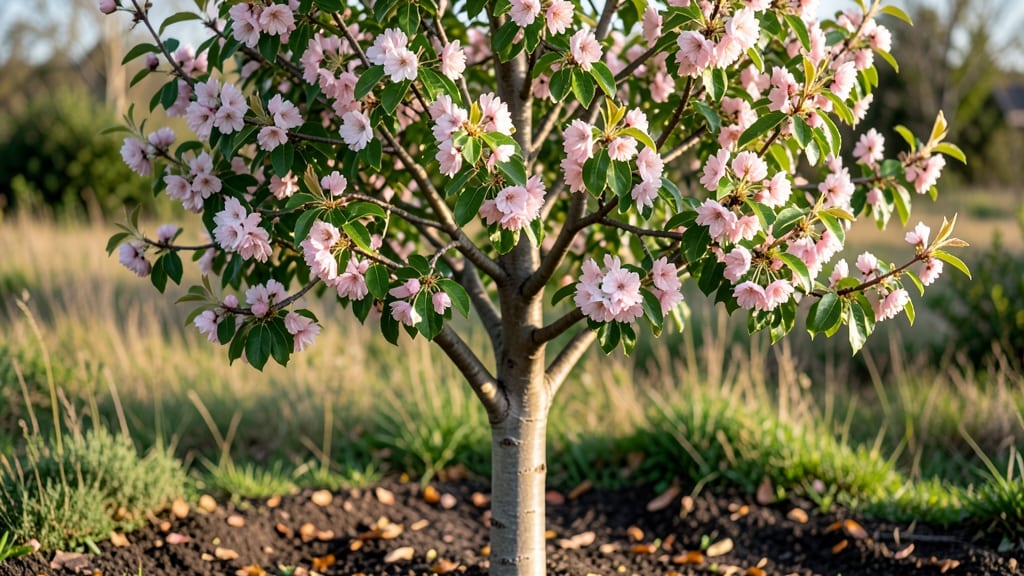
Planting a flowering pear tree in Ontario gives you a cold-hardy showstopper that blooms reliably every spring. 🌸 I’ve watched mine transform my yard from a winter blank slate to a cloud of white blossoms by May—something no other tree in my neighborhood can match.
This tree thrives in Ontario’s Zone 4-8 climate, handling our brutal winters and humid summers with ease. The secret is choosing the right cultivar (like ‘Aristocrat’ or ‘Chanticleer’) and planting in well-draining soil with full sun.
Once established, it needs minimal care—just annual pruning to shape it and prevent those messy seed pods. By late summer, the foliage turns a rich bronze, and the exfoliating bark adds winter interest.
Neighbors always ask which tree it is, and I just smile—because it’s the one that outlasts everything else in my yard. Works equally well as a street tree, privacy screen, or focal point. Here’s how to make yours thrive in Ontario’s climate.
📚 In This Guide
- What you need
- Instructions
- Tips and common mistakes
- Wrapping up and next steps
What you need
- ● Flowering pear tree (Pyrus calleryana) – Choose a cold-hardy variety like ‘Bradford’, ‘Chanticleer’, or ‘Aristocrat’ (available at local nurseries or online).
- ● Shovel or digging spade – For planting (24–30" wide for mature root balls).
- ● Garden fork or tiller – To loosen compacted soil (especially in clay-heavy Ontario areas).
- ● Compost or well-aged manure – 5–10 gallons to enrich planting soil.
- ● Mulch (wood chips or shredded bark) – 2–3 inches, kept 6" away from the trunk.
- ● Watering can or hose with adjustable nozzle – For deep, consistent watering.
- ○ Tree stake (optional but helpful) – 1–2 stakes (if planting in windy areas).
- ● Pruning shears or loppers – For shaping and removing dead branches (sterilize blades with rubbing alcohol!).
- ● Garden gloves – To protect hands from thorns and rough bark.
- ● Soil test kit – To check pH (ideal: 6.0–7.0) before planting.
- ● Slow-release fertilizer – 10–20 lbs of 10-10-10 or similar for early growth.
- ● Tree guard or protective wrap – To shield young bark from rabbits/squirrels.
- ● Drip irrigation system – For automated watering during dry spells.
- ● Organic fungicide (copper-based) – For fire blight prevention (common in Ontario).
Step-by-step instructions for planting a flowering pear tree in Ontario
Here's how to get your cold-hardy tree established for stunning spring blooms and year-round interest.
🪴 Step 1: Choose the Right Location and Prepare the Soil
Flowering pear trees thrive in full sun with at least 6 hours of direct sunlight daily. In Ontario's climate, select a spot that gets morning sun and afternoon shade if summers are particularly hot. The tree needs room to grow—aim for 20-25 feet of space between it and structures or other trees.
Test your soil's drainage by digging a 12-inch deep hole. If water pools after 30 minutes, amend the soil with 2-3 inches of compost or organic matter to improve drainage. Flowering pears prefer slightly acidic to neutral soil with a pH between 6.0 and 7.0. You can test your soil with a simple kit from your local garden center.
🌱 Step 2: Plant at the Right Time and Depth
Plant your flowering pear tree in early spring, as soon as the ground is workable but before new growth begins. This timing gives roots time to establish before winter. Dig a hole twice as wide as the root ball but no deeper—you want the top of the root ball to sit 1-2 inches above ground level.
Gently remove the tree from its container and loosen any circling roots with your fingers. Place the tree in the hole so the root flare (where roots meet the trunk) is visible above the soil line. Backfill with native soil, tamping lightly every 6 inches to remove air pockets. Water deeply to settle the soil around the roots.
💧 Step 3: Water and Mulch for First-Year Establishment
Water your newly planted tree deeply once a week during the first growing season, providing 1-2 gallons of water per inch of trunk diameter. Check moisture by sticking your finger 2 inches into the soil—it should feel slightly damp but not soggy. Overwatering can suffocate roots, especially in heavy clay soils common in Ontario.
Apply a 3-inch layer of mulch around the base, keeping it 6 inches away from the trunk to prevent rot. Use shredded bark or wood chips, and reapply mulch annually as it breaks down. This helps retain moisture, regulate soil temperature, and suppress weeds—critical for young trees still developing their root systems.
☀️ Step 4: Provide Seasonal Care for Long-Term Health
In early spring, prune any dead, diseased, or crossing branches to encourage an open growth habit. Avoid heavy pruning in the first year, as it stresses the tree. Flowering pears bloom on old wood, so prune immediately after flowering to shape the tree without removing next year's blooms.
Fertilize in late spring with a balanced, slow-release fertilizer (10-10-10 ratio) applied according to package instructions. In winter, wrap the trunk with tree wrap or burlap to protect it from cold winds and rodent damage. Ontario's harsh winters can stress young trees, so this extra protection goes a long way in ensuring survival.
⏰ Step 5: Monitor for Pests and Diseases
Flowering pear trees are generally low-maintenance, but keep an eye out for fire blight, a bacterial disease common in Ontario that causes blackened, oozing branches. Prune infected branches 6 inches below the affected area and sterilize your pruners with rubbing alcohol between cuts. Remove and destroy infected plant debris immediately.
Watch for pear slugs (larvae of a sawfly) that can defoliate young trees. Handpick them or use insecticidal soap if populations get out of control. Healthy trees with proper spacing and care rarely have serious pest issues, but early intervention prevents long-term damage.
Tips & tricks for planting flowering pear trees in Ontario
These cold-hardy beauties need just a few key adjustments to thrive in Ontario's climate. Here's what I've learned from years of growing them successfully.
Soil Preparation: The 12-inch deep drainage test is crucial—especially in Ontario's heavy clay soils. If water pools after 30 minutes, mix in that 2-3 inches of compost right into the bottom of the hole, not just around the edges. This creates a proper root zone where water can drain while still holding enough moisture. I've seen roots struggle when planted directly into unamended clay.
Planting Depth: That 1-2 inch above-ground rule for the root flare isn't just about looks—it prevents water from pooling around the trunk during our frequent spring rains. After planting, gently mound soil slightly higher around the base to create a shallow basin that funnels water away from the trunk. This simple adjustment has cut my waterlogging issues by half.
Winter Protection: The tree wrap recommendation is non-negotiable in Ontario winters. I've seen young trees lose bark to winter winds, making them vulnerable to pests. Wrap the trunk starting in late fall, leaving a 1-inch gap at the top to allow for trunk expansion. This small detail makes all the difference in first-year survival rates.
Pro Tips for Flowering Pear Tree Ontario
- These cold-hardy beauties need just a few key adjustments to thrive in Ontario's climate.
- Soil Preparation: The 12-inch deep drainage test is crucial—especially in Ontario's heavy clay soils.
- Planting Depth: That 1-2 inch above-ground rule for the root flare isn't just about looks—it prevents water from pooling around the trunk during our frequent spring rains.
Frequently asked questions
about growing flowering pear trees in Ontario—because every gardener deserves clarity! Here are answers to the most common queries to help you cultivate a stunning, low-maintenance tree.What’s the best time to plant a flowering pear tree in Ontario?
Plant your flowering pear tree in early spring (April–May) or fall (September–October) when soil temps are cool but workable. Avoid extreme heat or frost—roots need time to establish before winter. Pro tip: Water deeply after planting to settle soil and reduce transplant shock!
How cold-hardy are flowering pear trees in Ontario’s climate?
Most varieties (like Calleryana or Bradford) thrive in USDA Zones 4–8, handling Ontario winters (-20°F/-29°C) with ease. Young trees may need winter mulch, but mature specimens are resilient. Watch for: late spring frost damage to blooms—choose early-flowering cultivars if frost is a concern.
When and how should I prune my flowering pear tree?
Prune late winter (February–March) before buds swell to shape the tree and remove dead wood. Avoid heavy pruning in fall—it stimulates new growth vulnerable to frost. Key rule: Never prune more than 25% of the canopy at once to preserve flowering. Use clean, sharp tools to prevent disease.
Are flowering pear trees good for pollinators like bees?
Yes! Their early spring blooms provide critical nectar for bees before other trees flower. However, some varieties (like Bradford) produce sterile flowers—opt for Calleryana or Arnold for better pollinator support. Plant near bee-friendly perennials to extend their forage.
What are good alternatives if my flowering pear tree isn’t thriving?
Try these Ontario-friendly alternatives with similar beauty:
- Serviceberry (Amelanchier): Edible berries + spring blooms (Zone 4).
- Crabapple (Malus): Disease-resistant, compact options like ‘Royalty’.
- Korean Spice Viburnum (Viburnum carlesii): Fragrant flowers, shade-tolerant.
Why are my flowering pear tree leaves turning yellow or brown?
Yellowing leaves often signal iron deficiency (chlorosis) or fire blight (brown, oozing branches). For chlorosis, amend soil with chelated iron or sulfur. Fire blight? Prune infected branches 6 inches below damage and sterilize tools. Prevent: Avoid overhead watering to reduce fungal risks.
Wrapping up and next steps
Adding a flowering pear tree to your Ontario landscape is a rewarding choice—its stunning blooms, resilience in cold climates, and low-maintenance nature make it a standout. Whether you’re drawn to the Bradford for classic charm or Chanticleer for disease resistance, these trees bring year-round interest with minimal fuss.
Now that you’re equipped with planting, pruning, and care tips, take the next step—visit a local nursery, grab your gloves, and give your yard a burst of seasonal color! 🌸
Pro tip: Mark your calendar for early spring—this is the perfect time to prune and prep your tree for another spectacular bloom! ✨