
How To
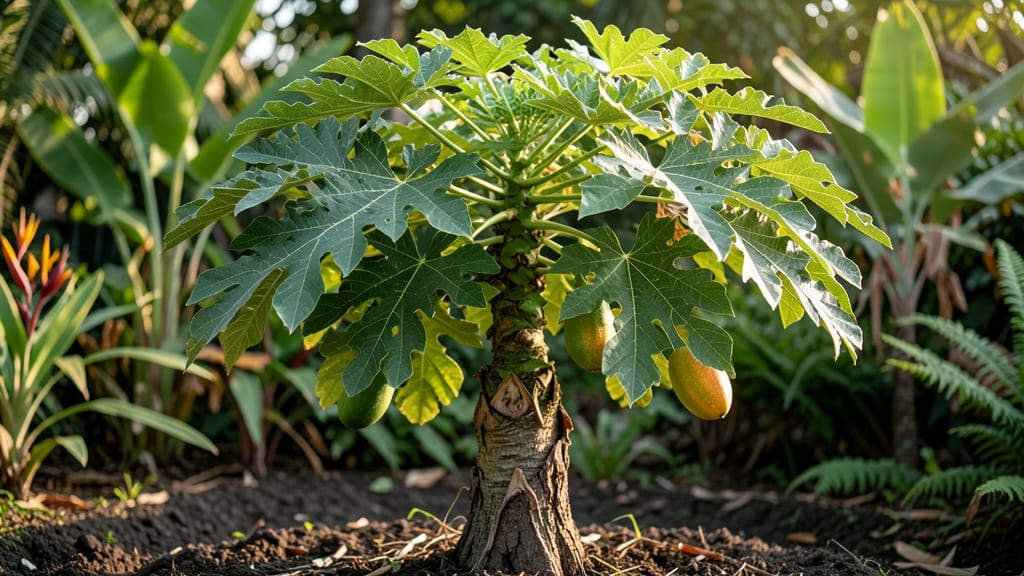
A papaya tree can grow how tall does a papaya tree grow to heights between 10 and 30 feet, towering like a tropical giant in your landscape or container—far taller than most gardeners expect.
Picture this: a single-trunked wonder reaching for the sky, its broad leaves casting shade in your backyard, or a dwarf variety struggling to peek over your patio railing. The difference comes down to variety, climate, and a little pruning know-how.
If you’re eyeing a small garden or balcony, you’ll want to focus on the faster-growing, slightly shorter types that still pack a punch. Meanwhile, those with sprawling tropical spaces can let their papaya trees grow wild—because yes, they will reach for the clouds.
Below, I’ll break down the exact heights by variety, how to control growth naturally, and whether your space can handle this sun-loving 🍈 powerhouse—no guesswork, just proven tips for your climate.

Papaya tree height guide: exact growth ranges for dwarf vs giant varieties
Papaya trees (Carica papaya) are tropical wonders that can dramatically transform your garden—but their height can be a game-changer for space planning. Most varieties grow between 10 to 30 feet, with some reaching towering heights of 20+ feet in ideal conditions.
The good news? Smaller varieties and strategic pruning can help you grow papayas even in tight spaces or containers.
If you're considering adding a papaya tree to your garden, understanding these height variations is essential. Giant varieties like 'Solo' or 'SunUp' can dominate your landscape, while smaller types (though rare) offer more flexibility. Let’s break down the exact growth ranges and what they mean for your growing setup.
While giant papaya varieties like 'Solo' or 'SunUp' can reach 20–30 feet in tropical climates, they require ample space and support. These varieties thrive in USDA Zones 10–12 and need full sun to reach their maximum height.
If you're in a cooler climate, consider growing them in large containers that you can move indoors during winter.
For standard varieties like 'Red Maradol' or 'Hawaiian Solo', expect heights of 10–20 feet. These are more adaptable to containers if pruned regularly and provided with sturdy trellises or stakes.
They’re perfect for home gardens with moderate space, as they can be trained to grow more compactly with proper care.
If you're working with limited space, look for dwarf or semi-dwarf papaya varieties, though they’re rare in commercial markets. Some hybrid types or grafted papayas may stay under 6–10 feet, making them ideal for containers, greenhouses, or small patios.
These varieties grow slower in the first year, reaching only 1–2 feet, which gives you time to establish them before they outgrow their space.
Your papaya tree’s height also depends on growing conditions. Trees in tropical climates with rich, well-draining soil and consistent moisture will grow faster and taller. In contrast, those in cooler or drier climates may stay shorter unless given extra care, like greenhouse protection or supplemental lighting.
Pruning plays a critical role in managing height. By pinching back new growth or removing lower branches, you can encourage a bushier, more manageable shape. This technique is especially useful for container-grown papayas, where height control is essential to prevent the tree from becoming top-heavy or unstable.
When planning your papaya tree’s location, consider its mature size and how it will interact with nearby structures. A 20-foot papaya tree near your house could obstruct walkways or power lines, while a 6-foot dwarf variety in a container adds tropical flair without the space commitment.
Always leave at least 5–10 feet of clearance around the base for root spread and airflow.
For container growing, choose pots that are at least 18–24 inches wide and deep to accommodate root growth. Larger containers (like 30+ gallon grow bags) are ideal for standard varieties, while dwarf types can thrive in 10–15 gallon pots.
Ensure your container has drainage holes to prevent root rot, a common issue with papayas.
If you're growing papayas indoors or in a greenhouse, supplement natural light with grow lights to ensure they receive 6–8 hours of full-spectrum light daily. Without adequate light, your tree may grow leggy and weak, stunting its height and reducing fruit production.
Monitor your tree’s growth closely and adjust lighting as needed.
How to choose the right papaya variety based on your space and climate
Choosing the perfect papaya variety starts with understanding your available space and local climate. Since papaya trees can grow anywhere from 10 to 30 feet, selecting the right type ensures your garden—or even a large container—can support its growth.
Tropical climates with USDA zones 10-12 are ideal, but some varieties thrive in greenhouse or container setups for cooler regions.
For small gardens or containers, look for dwarf or semi-dwarf varieties, though true dwarf papayas are rare. Most standard varieties will still require careful pruning and support.
If you have ample outdoor space and a warm climate, larger varieties like Solo or SunUp will flourish, reaching their full 20-30 foot height. Let’s break down how to match your conditions to the perfect papaya.
- 🌱 Dwarf Varieties (6-12 ft)
- Best for: Containers, patios, or small gardens (requires pruning)
- Examples: Tainong No. 1 (compact, fruit-bearing), Red Lady (smaller stature)
- 🌿 Standard Varieties (10-20 ft)
- Best for: Medium-sized yards or greenhouse setups (needs space)
- Examples: Solo (fast-growing, 15-20 ft), SunUp (hardy, 12-18 ft)
- 🌳 Giant Varieties (20-30 ft)
- Best for: Large tropical gardens or rural properties (full sun required)
- Examples: Pusa Nanha (giant fruit, 25+ ft), Kapoho Solo (tall, high yield)
Climate plays a crucial role in papaya growth. If you live in USDA zones 10-12, you can grow nearly any variety outdoors year-round. For cooler climates (zones 9 or below), opt for container-growing or a greenhouse setup to protect the tree from frost.
Varieties like Solo or SunUp are more adaptable to shorter growing seasons if given enough warmth.
When selecting a variety, also consider your harvest goals. Some papayas, like Tainong No. 1, produce smaller but earlier fruits, ideal for container growers. Others, like Pusa Nanha, yield larger fruits but require more space.
Always check the mature height and growth rate to plan for pruning or support structures like stakes or trellises.
For urban gardeners, I recommend starting with dwarf-friendly varieties in 15+ gallon containers. Place them in a south-facing spot with full sun exposure and use a balanced fertilizer every 4-6 weeks.
If you’re in a tropical climate, larger varieties will thrive with minimal intervention, but always monitor for pests or diseases common in humid areas.
Remember, even dwarf varieties can grow taller with proper care, so regular pruning is key. If you’re unsure, start with a smaller variety like Red Lady to test your growing conditions before committing to a giant papaya tree.
With the right choice, you’ll enjoy homegrown papayas in as little as 9-12 months! 🍈