
Propagation
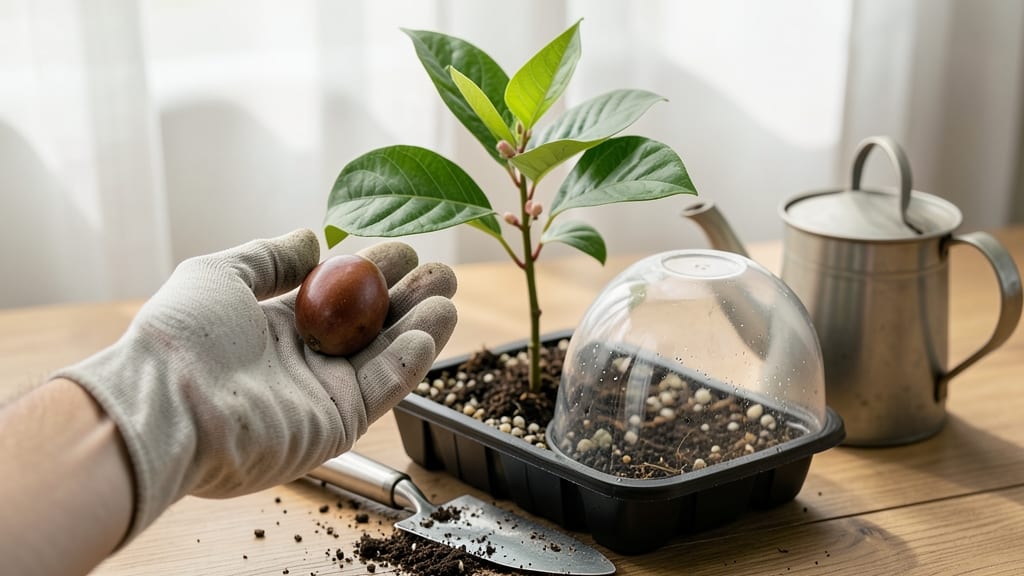
Growing a guava tree from seed feels like unlocking a tropical treasure chest—imagine fresh fruit in just 6 months. 🌱 I started with a single seed years ago, and now my backyard has a tree that produces sweet, fragrant guavas every season.
The secret isn’t complicated: it’s all about the right soil, warmth, and a little patience while nature does the heavy lifting.
You’ll need just a few simple supplies: a guava seed (from a ripe fruit), a small pot with drainage, well-draining potting mix, and a sunny spot. The trick is keeping the soil consistently moist but not soggy—think of it like nurturing a tiny rainforest.
Most seeds sprout within 2-4 weeks if you maintain the right conditions, though some take longer. That first green shoot is pure magic.
Once your seedling has a few true leaves, it’s time to move it into a slightly larger pot and give it more sunlight. Guava trees love warmth and thrive in full sun, so place it where it gets at least 6 hours of sunlight daily.
Within 6 months, you’ll have a sturdy young tree ready to transition to the ground—though it may take 3-5 years before you see fruit. The wait is worth it for that first taste of homegrown guava.
Fair warning: guava trees can grow 15-20 feet tall, so give it space! If you live in a colder climate, keep it in a pot and bring it indoors during winter.
The key is consistency—water when the top inch of soil feels dry, and avoid overwatering. With a little care, you’ll be harvesting your own tropical fruit in no time.
📚 In This Guide
- What you need
- Instructions
- Tips and common mistakes
- Wrapping up and next steps
What you need
- ● Guava seeds: 3–5 fresh, firm seeds (harvested from ripe, organic guavas for best results).
- ● Small pots or seed trays: 2–3 (4–6 inches deep) with drainage holes. Use biodegradable pots if transplanting later.
- ● Well-draining potting mix: 1–2 bags (a blend of coconut coir, perlite, and peat moss works well).
- ● Watering can or spray bottle: With a fine mist nozzle for gentle hydration.
- ● Clear plastic wrap or humidity dome: To retain moisture during germination.
- ● Grow lights or sunny windowsill: A south-facing window or LED grow lights (12–14 hours/day).
- ● Fertilizer: A balanced, water-soluble fertilizer (e.g., 10-10-10) for young seedlings.
- ○ Seedling heat mat: (Optional) Keeps soil warm (75–85°F) to speed up germination.
- ● Pruning shears: For trimming leggy seedlings later.
- ● pH testing kit: Ensures soil pH stays between 5.5–7.0 (guavas prefer slightly acidic to neutral).
- ● Mulch (e.g., straw or wood chips): Helps retain moisture in outdoor plantings.
- ● Support stakes or trellis: For guiding vertical growth as the tree matures.
Step-by-step instructions for growing guava from seed
Ready to grow your own tropical fruit? Here’s how to turn a guava seed into a thriving young tree.
🌱 Step 1: Extract and Prepare the Seeds
Start by selecting a fresh, ripe guava from the store or tree. Cut it open and scoop out the seeds, removing any remaining fruit pulp. Rinse the seeds under cool water to clean them thoroughly. Guava seeds germinate best when fresh, so use them within 24 hours for the highest success rate.
Lay the seeds on a paper towel and let them air-dry for about 1 hour. This prevents rot once planted. You’ll need 4 seeds total to account for uneven germination. I like to label them with the date—it’s easy to forget how long they’ve been waiting!
🪴 Step 2: Plant the Seeds in a Moist Growing Medium
Fill small seedling pots (2-3 inches deep) with a well-draining mix of 50% potting soil and 50% perlite or coarse sand. This keeps roots aerated and prevents waterlogging, which guava seeds hate. Moisten the mix until it’s damp but not soggy—think of a wrung-out sponge.
Plant each seed ½ inch deep, spacing them 1 inch apart in the pot. Cover lightly with extra mix, then mist the surface with water until the soil feels evenly damp. Place the pot in a warm spot (75-85°F)—a sunny windowsill or under a grow light works well. Guava seeds need warmth to germinate, so avoid cold drafts.
☀️ Step 3: Provide Warmth and Light for Germination
Keep the soil consistently moist but never waterlogged—check daily and water only when the top ¼ inch feels dry. Cover the pot loosely with plastic wrap to retain humidity, but remove it for 10 minutes daily to prevent mold. Germination takes 14-30 days, depending on warmth and seed freshness.
Once sprouts appear, remove the plastic wrap completely. Place the seedlings under bright, indirect light for the first week to avoid shocking them. After that, move them to full sun (6+ hours daily)—guava trees love light but can scorch if transitioned too quickly. You’ll see the first true leaves emerge in 2-3 weeks after sprouting.
🌿 Step 4: Transplant Seedlings When Strong Enough
When seedlings reach 4-6 inches tall with 3-4 sets of true leaves, it’s time to transplant. Choose 6-inch pots with drainage holes and fill them with a light, airy potting mix (again, 50% soil, 50% perlite). Gently remove each seedling, keeping the root ball intact, and replant at the same depth.
Water thoroughly after transplanting, then place the pots in a bright, sheltered spot for 1 week to help them recover. Avoid direct sun during this time—you’ll know they’re adjusting well when new growth appears within 7-10 days. This is also when you can start fertilizing lightly with a balanced 10-10-10 fertilizer, diluted to half strength.
⏰ Step 5: Care for Young Trees Through the First Year
By 6 months, your guava seedlings should be 1-2 feet tall and ready for larger 1-gallon pots. Use the same well-draining mix and transplant carefully to avoid root damage. Guava trees thrive in warm climates (USDA Zones 9-11)—if you’re in a cooler zone, keep them in pots and bring them indoors when temperatures drop below 50°F.
Water deeply 2-3 times per week, letting the top 1-2 inches of soil dry out between waterings. Prune leggy growth to encourage bushier shapes, and pinch back the tips of new branches to promote fuller growth. With patience, your seedlings will develop into fruit-bearing trees in 3-5 years—worth the wait!
Tips & tricks for growing guava trees from seed
Growing guava trees from seed is a rewarding process that rewards patience with tropical fruit. Here are the key strategies to maximize your success.
Seed Freshness Matters: The 24-hour window for using fresh guava seeds is critical. Older seeds lose viability quickly, so plan ahead if you're starting from store-bought fruit. I've found that seeds from organic guavas often germinate faster—likely due to better seed quality. If you can't use them immediately, store the seeds in a sealed container in the fridge for up to 3 days, but germination rates drop significantly after that.
Germination Environment: Guava seeds need consistent warmth between 75-85°F to germinate properly. If your home tends to be cooler, consider using a seedling heat mat set to 80°F under your pots. I've had better success with germination when using a clear plastic dome over the pots to trap humidity while still allowing light penetration. Just remember to remove it for those 10 minutes daily to prevent mold growth.
Transplanting Technique: When your seedlings reach 4-6 inches tall with 3-4 sets of true leaves, it's time for their first transplant. The key here is to handle the roots gently—guava seedlings have delicate root systems. I like to water the seedlings thoroughly the day before transplanting so the roots are more pliable. After transplanting into 6-inch pots, keep them in a bright, sheltered spot for that 1-week recovery period—this helps them establish new roots without the stress of full sun.
Long-Term Care Strategy: By the time your guava trees reach 6 months old, they'll need that upgrade to 1-gallon pots. At this stage, I recommend switching to a slightly richer soil mix—keep it 50% potting soil but add 30% compost and 20% perlite for better nutrient retention. This transition helps prepare your trees for eventual outdoor planting. Remember that guava trees are tropical and need protection when temperatures drop below 50°F, so have a plan for overwintering if you're in a cooler climate.
Pro Tips for Grow Guava Tree From Seed
- Growing guava trees from seed is a rewarding process that rewards patience with tropical fruit. Here are the key stra...
- Seed Freshness Matters: The 24-hour window for using fresh guava seeds is critical. Older seeds lose viability quickl...
- Germination Environment: Guava seeds need consistent warmth between 75-85°F to germinate properly. If your home tends...
Frequently asked questions
Got questions about growing guava from seed? You’re not alone! Here are answers to the most common concerns—so you can grow a thriving tropical tree with confidence.
How long does it take for a guava seed to sprout?
A guava seed typically sprouts within 10–21 days if kept warm (70–85°F) and moist. Patience is key—some seeds may take up to a month, especially if stored improperly. Pro tip: Soak seeds overnight before planting to speed up germination!
Can I grow a guava tree indoors?
Yes, but with limitations! Guava trees thrive outdoors in warm climates (Zones 9–11). Indoors, they’ll need bright, indirect light (a south-facing window or grow lights) and humidity (mist leaves or use a pebble tray). Expect slower growth and smaller fruit—ideal for container gardening as a decorative plant.
What’s the best temperature for guava seed germination?
Guava seeds germinate best in warmth (70–85°F). Use a seedling heat mat or place pots near a sunny window. Avoid cold drafts or temperatures below 60°F, which can stunt growth. If your home is chilly, try a clear plastic bag over the pot to trap heat.
Why isn’t my guava seedling growing?
Slow growth often stems from low light, over/under-watering, or poor soil. Check these fixes:
- Light: Move to a sunnier spot (6+ hours of light daily).
- Water: Keep soil moist but not soggy—guava hates “wet feet.”
- Soil: Use well-draining potting mix (add perlite if compacted).
- Fertilizer: Wait until the seedling has 2–3 true leaves, then use a balanced 10-10-10 fertilizer lightly.
Will my homegrown guava tree produce fruit?
Yes, but it may take 3–5 years for a seed-grown guava to bear fruit—longer than grafted trees. Fruit quality varies (seeds produce wild-type guavas, often smaller or less sweet). For faster results, graft a known variety onto your seedling later. Patience pays off with juicy, tropical rewards!
Can I plant guava seeds directly in the ground?
Direct sowing works in warm climates (Zones 9–11) after the last frost. Plant seeds ½ inch deep in loose, well-draining soil. In cooler areas, start seeds indoors 6–8 weeks before the last frost, then transplant seedlings outdoors when soil warms to 60°F+. Warning: Guava is frost-sensitive—protect young trees with mulch!
Wrapping up and next steps
Growing a guava tree from seed is a rewarding journey that brings the promise of luscious tropical fruit right to your doorstep! 🌱 With the right care—patience, sunlight, and a little love—you’ll watch your tiny seedling transform into a thriving plant in just 6 months.
Whether you’re a beginner or a seasoned gardener, this project is a fun way to connect with nature and enjoy homegrown harvests.
Now that you’re armed with all the tips and tricks, take the first step today! Plant that seed, nurture it with kindness, and soon, you’ll be savoring the sweet taste of success—literally. Happy growing! 🌟