
Propagation
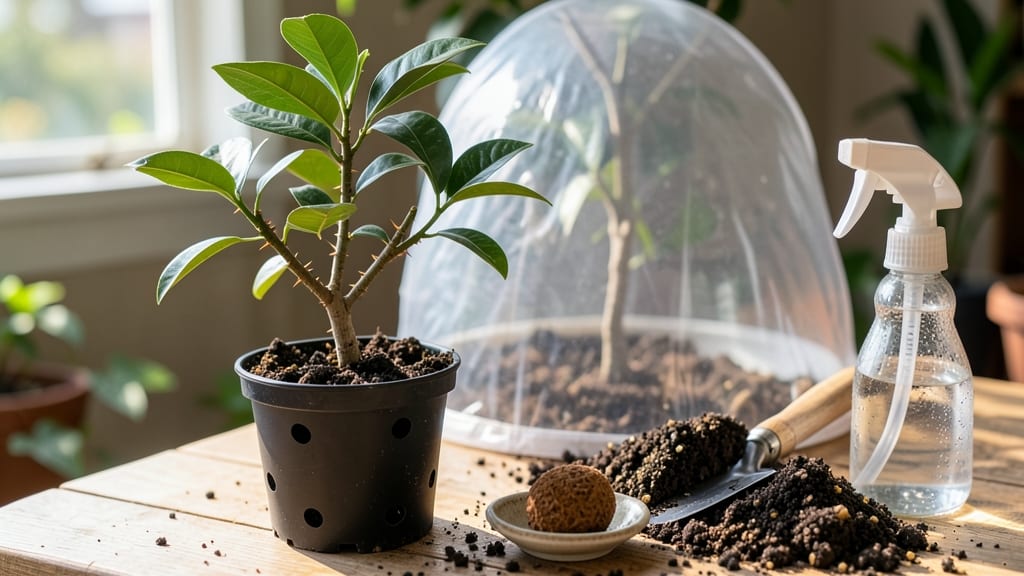
Growing a tangerine tree from seeds is a slow-burning adventure that rewards you with fragrant blossoms and—eventually—sweet fruit. 🌱 The journey starts with a single seed from your grocery store tangerine, but don’t expect citrus in a hurry: these trees take 5-10 years to bear fruit, if they ever do.
That said, the process itself is simple enough for beginners, and the satisfaction of nurturing a tree from scratch makes every season worth it.
First, you’ll need a warm, sunny spot—tangerines crave full sun (at least 6-8 hours daily) and struggle in cold climates. Start seeds indoors in moist, well-draining soil, keeping them at 70-80°F for best germination.
Most seeds sprout in 2-4 weeks, but some may take months or never sprout at all—patience is key. Once seedlings are 6 inches tall, transplant them into larger pots or the ground, ensuring they get plenty of space to grow.
With consistent care, your seedling will grow into a hardy young tree within a few years, though fruit may still be years away. Prune regularly to encourage strong branches, and watch for pests like aphids or citrus leaf miners.
The real magic happens when you see those first bright green leaves and the faint citrus scent in the air—proof that your tiny seed is on its way to becoming something extraordinary.
Even if your tree never fruits, the journey is worth it: the glossy leaves, the occasional blossom, and the sheer joy of growing something from nothing. For colder climates, keep your tree in pots and bring it indoors during winter.
The wait may feel long, but that’s part of the charm—nature’s slowest, sweetest reward.
📚 In This Guide
- What you need
- Instructions
- Tips and common mistakes
- Wrapping up and next steps
What you need
- ● Tangerine seeds: 3–5 fresh, viable seeds (harvested from organic, ripe tangerines for best results).
- ● Small pots or seed trays: 2–3 (4–6 inches in diameter) with drainage holes. Tip: Plastic or biodegradable pots work well!
- ● Well-draining potting mix: 1–2 bags (look for a blend labeled for citrus or seed starting, or mix 50% peat moss + 50% perlite/sand).
- ● Spray bottle: For gentle watering (avoid over-saturating seeds).
- ● Plastic wrap or humidity dome: To create a mini greenhouse effect.
- ● Grow lights or sunny windowsill: A warm, bright spot (60–75°F) with 6+ hours of light daily.
- ○ Fertilizer (optional but helpful): A balanced, water-soluble fertilizer (e.g., 10-10-10) for seedlings after 4–6 weeks.
- ● Heating mat: Speeds up germination (70–80°F is ideal).
- ● Humidity tray: A shallow tray with pebbles + water to boost moisture levels.
- ● Citrus-specific fertilizer: Once seedlings are established (e.g., citrus micronutrients).
- ● Pruning shears: For shaping the tree as it grows.
- ● Support stakes: If growing indoors long-term (trees can get top-heavy!).
Step-by-Step instructions for growing tangerine trees from seeds
Citrus trees from seed take time, but the reward is a thriving tree with fragrant blossoms and sweet fruit.
🌱 Step 1: Extract and Prepare the Seeds
Start with fresh tangerine seeds—older seeds lose viability quickly. Cut the fruit open and scoop out the seeds, rinsing them gently under cool water to remove any pulp. Let them air-dry on a paper towel for 24 hours to prevent mold. I like to store them in a small envelope labeled with the date—this helps track germination timing.
Here's the thing—citrus seeds need a warm, moist environment to sprout. After drying, place them in a small plastic bag with a damp paper towel. Seal it loosely and keep it in a warm spot, like on top of the fridge. Check daily and mist with water if the towel feels dry to the touch. Germination can take 2-4 weeks, so patience is key.
🌱 Step 2: Plant the Germinated Seeds
Once the seeds sprout—you'll see a tiny white root emerging—it's time to plant. Fill 4-inch pots with a well-draining seed-starting mix (I avoid garden soil; it’s too heavy and can cause rot). Plant each seed ½ inch deep, spacing them about 2 inches apart in the pot. Gently press the soil around the seed to secure it without compacting.
Water lightly until the soil is moist but not soggy. Place the pots in a warm, sunny spot—70-75°F is ideal. You’ll notice the first true leaves appear in 4-6 weeks. This is your signal that the seedling is establishing roots. Keep the soil consistently moist but never waterlogged; citrus seedlings are delicate and prone to damping-off if overwatered.
☀️ Step 3: Provide Light and Gradually Acclimate
Seedlings need bright, indirect light at first. A south-facing window works, but if your space is dim, supplement with a grow light kept 6 inches above the plants. Avoid direct midday sun, which can scorch tender leaves. Rotate the pots a quarter turn weekly so the seedlings grow straight and sturdy.
After 6-8 weeks, when the seedlings have 3-4 sets of leaves, it’s time to acclimate them to outdoor conditions. Start by placing them outside in a sheltered spot for 1-2 hours daily, gradually increasing exposure over 2 weeks. Watch for any yellowing leaves—this is a sign of stress, so adjust the transition time if needed.
🪴 Step 4: Transplant and Care for Young Trees
Once the seedlings are hardened off and show no signs of stress, transplant them into 1-gallon pots filled with a mix of potting soil and perlite (I use a 3:1 ratio). Choose a pot with drainage holes to prevent root rot. Water thoroughly after transplanting to help the roots settle into their new home.
Citrus trees thrive in full sun—6+ hours daily—but young trees need time to adjust. Place them in a spot with morning sun and afternoon shade for the first week, then gradually move them to full sun. Fertilize lightly with a balanced citrus fertilizer every 2 months during the growing season. Prune any leggy growth to encourage bushier, stronger branches.
⏰ Step 5: Long-Term Care for Fruit Production
Tangerine trees grown from seed may take 5-10 years to bear fruit, but consistent care speeds up the process. In spring and summer, water deeply once a week, letting the top 1-2 inches of soil dry out between waterings. Overwatering is the fastest way to kill a citrus tree—yellow leaves or drooping branches are red flags.
Here’s where it gets fun: Pollination is key for fruit set. If you have multiple trees, bees will do the work. For a single tree, use a small paintbrush to transfer pollen from one flower to another in the morning when blooms are fresh. With patience and the right conditions, you’ll eventually see those bright orange fruits hanging from your tree.
Tips & tricks for growing tangerine trees from seeds
These pro insights will help you avoid common pitfalls and maximize your citrus tree's potential from the very first seed.
Seed Viability Tip: The 24-hour drying period in Step 1 is non-negotiable—citrus seeds need this time to harden their outer shell, which prevents premature mold growth. I've seen seeds sprout perfectly after this drying period even when stored for months in a cool, dark place. Pro tip: Test a few seeds by placing them in a warm, damp environment before committing to your entire batch—this gives you a heads-up on germination rates.
Germination Environment: That warm spot you choose (like on top of the fridge) should maintain a consistent 70-75°F—citrus seeds are tropical and need this stable warmth to break dormancy. I've had success using a seedling heat mat set to low under the plastic bag setup. The key is keeping the towel consistently damp but never soggy; condensation inside the bag is a red flag for potential rot.
Light Transition Strategy: When you're ready to acclimate seedlings to outdoor conditions in Step 3, start with just 1-2 hours of morning sun—the cooler temperatures and lower UV exposure are gentler on tender leaves. I've seen seedlings go into shock when exposed to full afternoon sun too soon, resulting in yellowing leaves. Gradually increase exposure by 30 minutes each day until they're ready for full sun.
Transplanting Hack: The 3:1 potting soil to perlite ratio in Step 4 isn't just about drainage—it's about creating an airy environment that mimics the citrus tree's natural habitat. I like to add a handful of coarse sand to this mix for even better aeration. When transplanting, water thoroughly before and after the process to help reduce transplant shock, which is particularly critical for citrus seedlings.
Pro Tips for Grow Tangerine Tree From Seeds
- These pro insights will help you avoid common pitfalls and maximize your citrus tree's potential from the very first ...
- Seed Viability Tip: The 24-hour drying period in Step 1 is non-negotiable—citrus seeds need this time to harden their...
- Germination Environment: That warm spot you choose (like on top of the fridge) should maintain a consistent 70-75°F—c...
Frequently asked questions
Got questions about growing your tangerine tree from seeds? You’re not alone! Here are answers to the most common queries to help you navigate this citrus-growing journey with confidence.
How long does it take for a tangerine seed to sprout?
Tangerine seeds typically sprout within 2 to 4 weeks after planting, depending on warmth and moisture. Keep the soil consistently damp (not soggy) and place the pot in a warm spot—like near a sunny window or under a grow light. Patience is key, as some seeds may take a little longer!
Will a tangerine tree grown from seed produce fruit?
While it’s possible, don’t expect fruit for 5 to 10 years—or even longer! Seed-grown trees often take decades to bear fruit, and the quality may vary from the parent tree. For faster, reliable fruit, consider grafting a known variety onto your seedling later. Still, the journey is rewarding!
What’s the best temperature for germinating tangerine seeds?
Tangerine seeds thrive in warmth (70–85°F or 21–29°C). Use a seedling heat mat if your home runs cooler, or place the pot in a sunny windowsill. Avoid cold drafts or fluctuating temps, which can delay or prevent germination. A mini greenhouse or plastic wrap over the pot can also help retain humidity.
Can I grow a tangerine tree indoors?
Yes! Tangerine trees can thrive indoors with bright, indirect light (6+ hours daily) and a sunny windowsill (south- or west-facing is ideal). Use a grow light if natural light is limited. Just remember: indoor trees need regular pruning to stay manageable and may need occasional outdoor time in warm months for stronger growth.
Why are my tangerine seedlings wilting or turning yellow?
Wilting or yellowing leaves often signal overwatering, underwatering, or poor drainage. Check the soil—it should stay moist but not waterlogged. Ensure the pot has drainage holes, and use a well-draining citrus potting mix. Pests like spider mites or fungus gnats can also cause stress; inspect leaves and treat gently with neem oil if needed.
How do I know if my tangerine seedling is healthy?
A healthy seedling has bright green leaves, firm stems, and steady growth. Avoid browning edges (underwatering) or mushy stems (overwatering). Strong roots mean the soil stays lightly moist but not soggy. If leaves drop suddenly, it may need more light or less water. Keep an eye out for pests or mold too!
Wrapping up and next steps
Growing a tangerine tree from seeds is a rewarding journey that blends patience, care, and a little sunshine! 🌱 While it may take years for your seedling to bear fruit, the process itself is a joyful way to connect with nature.
Once your tree is thriving, consider transplanting it outdoors or sharing cuttings with fellow gardening enthusiasts—spreading the citrus love one seed at a time!
🌟 Next Steps:
- Monitor growth and adjust care as your tree matures.
- Research local citrus varieties to complement your garden.
- Join gardening forums for tips and inspiration!