
Pruning
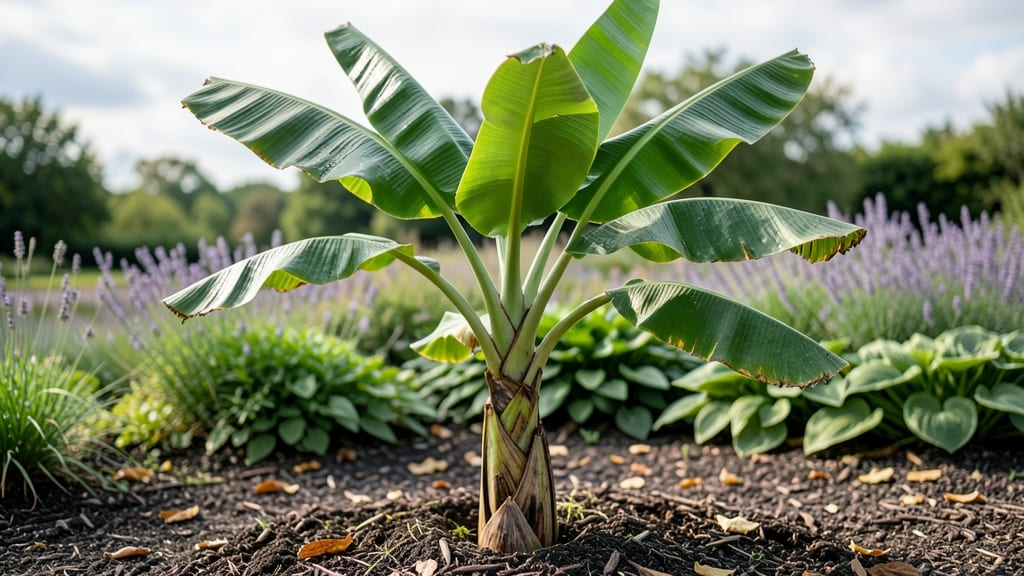
Pruning your Japanese banana tree (Musa basjoo) turns a wild, scraggly mess into a showstopping focal point. 🌿 I've pruned mine for years, and the difference between a neglected clump and a thriving specimen comes down to timing, technique, and a little patience—no fancy tools or horticultural degree required.
The key is seasonal timing: late winter or early spring before new growth starts. You'll remove dead fronds at the base, cut back old pseudostems to the ground, and shape the plant to encourage fresh, upright canes.
It might look drastic at first, but trust the process—your plant will reward you with bold new growth by summer. What you end up with is a tree that looks like it belongs in a botanical garden, not your backyard.
The fronds stay vibrant, the trunk thickens, and you avoid the tangled mess that happens when you skip pruning. Even in colder zones, Musa basjoo bounces back with proper care.
Works for both container and in-ground plants, and the same principles apply whether you're dealing with a 3-foot sapling or a mature 10-foot specimen. Let's get those shears ready!
📚 In This Guide
- What you need
- Instructions
- Tips and common mistakes
- Wrapping up and next steps
What you need
- ● Pruning shears or loppers: Choose bypass pruners (for clean cuts) or loppers (for thicker stems, 1–2 inches in diameter). Sterilize with rubbing alcohol before and after use!
- ● Gloves: Heavy-duty gardening gloves (thick leather or nitrile-coated) to protect against sap and sharp edges.
- ○ Disinfectant (optional but recommended): 70% isopropyl alcohol or a copper-based fungicide to prevent disease spread.
- ● Sharpie or permanent marker: For labeling cuts if you’re propagating.
- ● Compost or mulch: 2–3 cubic feet of organic matter (e.g., shredded leaves, bark) to amend the soil post-pruning.
- ● Hand saw: For very thick pseudostems (3+ inches wide). A pruning saw with a fine-tooth blade works best.
- ● Hose or bucket of water: To rinse tools and clean sap off gloves.
- ● Rooting hormone: If you plan to propagate cuttings (e.g., Clonex or similar).
- ● Plant food: A balanced fertilizer (10-10-10 or 20-20-20) to boost recovery after heavy pruning.
- ● Safety glasses: Just in case—sap can sting!
Seasonal pruning guide for your Japanese banana tree (Musa basjoo)
Here's how to keep your Musa Basjoo thriving with simple, seasonal cuts that boost growth and prevent overcrowding.
✂️ Step 1: Late Winter Cleanup (Before New Growth Begins)
Start your pruning in late winter when the tree is dormant, typically February or March in most climates. This is the only time you'll remove dead or damaged fronds—never cut healthy leaves, even if they look old. I always wait until the first signs of new growth appear at the base, which tells me the tree is waking up.
Use clean, sharp pruners (sterilized with rubbing alcohol) to cut back any fronds that are completely brown and dry. Snip them at the base where they meet the trunk. Avoid cutting into the trunk itself—this can invite disease. You'll know you're doing it right when you're left with only the healthy, green fronds still standing.
🌱 Step 2: Summer Trimming (After Flowering, If Applicable)
If your Musa Basjoo produces flowers (which is common in mature plants), wait until after flowering to do any light pruning. This usually falls in late summer, around August or September. Remove only the spent flower stalks at the base with your pruners. These can drain energy from the plant if left unattended.
While you're at it, check for any overcrowded fronds—these are the ones growing too close together and blocking sunlight from reaching the center. You can gently remove 1-2 of the oldest, largest fronds to improve airflow. Never take more than 20% of the foliage at once, or you'll stress the plant. Watch for new growth at the base—this signals the tree is adjusting well.
☀️ Step 3: Fall Maintenance (Preparing for Winter)
In fall, focus on light shaping rather than heavy pruning. This is the time to remove any fronds that are yellowing or diseased, cutting them back to the base. Avoid cutting into the trunk—this can expose the plant to cold damage. If you live in a USDA Zone 7 or colder, you may need to wrap the trunk with burlap or straw to protect it from freezing temperatures.
I also like to tie up any loose fronds with soft garden twine to prevent them from snapping in wind or snow. This keeps the plant looking neat and reduces the risk of damage. By the time winter hits, your tree should be clean, healthy, and ready to rest.
⏰ Step 4: Year-Round Monitoring (Watch for Pests or Disease)
Pruning isn't just seasonal—it's an ongoing process. Throughout the year, inspect your Musa Basjoo monthly for signs of pests like spider mites or scale insects. If you spot any, wipe down the fronds with a damp cloth or treat with neem oil (follow label instructions). Early intervention prevents small issues from becoming major problems.
You'll also want to remove any fronds that show signs of fungal disease, like black spots or mold. Cut these off immediately and dispose of them in the trash (not the compost)—fungal spores can spread easily. Healthy fronds should be deep green, upright, and free of blemishes. If you see any unusual wilting or discoloration, investigate further before pruning.
Tips & tricks for thriving Japanese banana trees
These simple strategies will help your Musa Basjoo stay lush and healthy year-round without the guesswork.
Timing is Everything: In Step 1, when you're removing dead fronds in late winter, look for the telltale sign of new growth at the base—this is your cue that the tree is waking up. I've learned the hard way that cutting too early can stress the plant before it's ready to grow. Wait until you see those first tiny shoots emerging before you start pruning. This timing ensures you're only removing what's truly dead while leaving the new growth intact.
Tool Prep Matters: Before you begin pruning in any season, take 5 minutes to sterilize your pruners with rubbing alcohol. I keep a small bottle of alcohol in my gardening toolbox specifically for this purpose. Clean tools prevent the spread of disease between cuts, which is especially important when working with tropical plants like the Musa Basjoo. This simple step can make the difference between a healthy plant and one struggling with infections.
Seasonal Focus: During Step 2's summer trimming, remember that the key is moderation. When removing overcrowded fronds, focus on the oldest, largest leaves that are blocking sunlight from reaching the center. I've found that removing just 1-2 fronds makes a world of difference in airflow and sunlight penetration. The goal is to improve the plant's overall health, not to drastically change its shape. Think of it as giving your tree a gentle haircut rather than a buzz cut.
Winter Protection: In Step 3, if you're in USDA Zone 7 or colder, don't skip the trunk wrapping. I've seen too many Musa Basjoo trees suffer from cold damage because their trunks weren't properly protected. Use burlap or straw to create a cozy insulation layer around the trunk. This simple protection can mean the difference between your tree surviving winter and thriving come spring. The extra 10 minutes it takes to wrap the trunk is well worth the peace of mind.
Pro Tips for Japanese Banana Tree Musa Basjoo
- These simple strategies will help your Musa Basjoo stay lush and healthy year-round without the guesswork.
- Timing is Everything: In Step 1, when you're removing dead fronds in late winter, look for the telltale sign of new g...
- Tool Prep Matters: Before you begin pruning in any season, take 5 minutes to sterilize your pruners with rubbing alco...
Frequently asked questions
Got questions about keeping your Musa basjoo thriving? You’re not alone! Here are answers to the most common concerns—from pruning to care—so you can grow a stunning Japanese banana tree with confidence.
When is the best time to prune my Musa basjoo?
Prune your Musa basjoo in late winter or early spring (before new growth starts) to avoid damaging emerging buds. You can also do a light trim in summer to shape the plant, but avoid heavy cuts during hot months. Pro tip: Never prune in fall—this can stress the tree before winter dormancy.
How much can I cut back without harming the tree?
You can safely remove up to 30-50% of the pseudostem (the "trunk") in one session, but avoid cutting into the crown (the heart at the base). For dead or damaged leaves, trim them back to the base. Warning: Over-pruning can stunt growth, so err on the side of caution if your tree is young or struggling.
What should I do if my Musa basjoo leaves turn yellow or brown?
Yellowing leaves often signal overwatering or poor drainage, while brown edges can mean underwatering or cold stress. Check the soil—it should stay evenly moist but not soggy. If the issue persists, inspect for pests (like spider mites) or fungal issues (like leaf spot). Fix it: Adjust watering, mulch to retain moisture, and prune affected leaves.
Can I grow a Musa basjoo in a pot, and how do I prune it?
Yes! Potted Musa basjoo trees thrive in large containers (at least 18" wide) with drainage holes. Prune container-grown trees the same way as in-ground plants, but avoid over-trimming—root space is limited. Repot every 2-3 years and trim roots if they’re circling. Bonus: Potted trees can be brought indoors in winter if temps drop below 20°F.
Is there a substitute if I can’t find Musa basjoo?
If Musa basjoo isn’t available, try these hardy, ornamental banana alternatives:
- Musa acuminata (Dwarf Cavendish)—smaller but cold-hardy.
- Ensete ventricosum (False Banana Tree)—similar texture, drought-tolerant.
- Strelitzia nicolai (White Bird of Paradise)—tropical look, less pruning needed.
Wrapping up and next steps
Growing a Musa basjoo—the stunning Japanese banana tree—is a rewarding journey that blends beauty with low-maintenance care. By mastering seasonal pruning, you’ll encourage vibrant foliage, robust stems, and even delicious fruit (if you’re lucky!).
Remember, timing and technique are your best friends: trim dead fronds in late winter, shape in early spring, and harvest with care in late summer.
Ready to transform your garden? Start small—pick one pruning session this season, observe your tree’s response, and adjust as needed. With patience and practice, your Musa basjoo will thrive, becoming the showstopper of your outdoor space. Happy pruning! 🌿✨