
Pruning
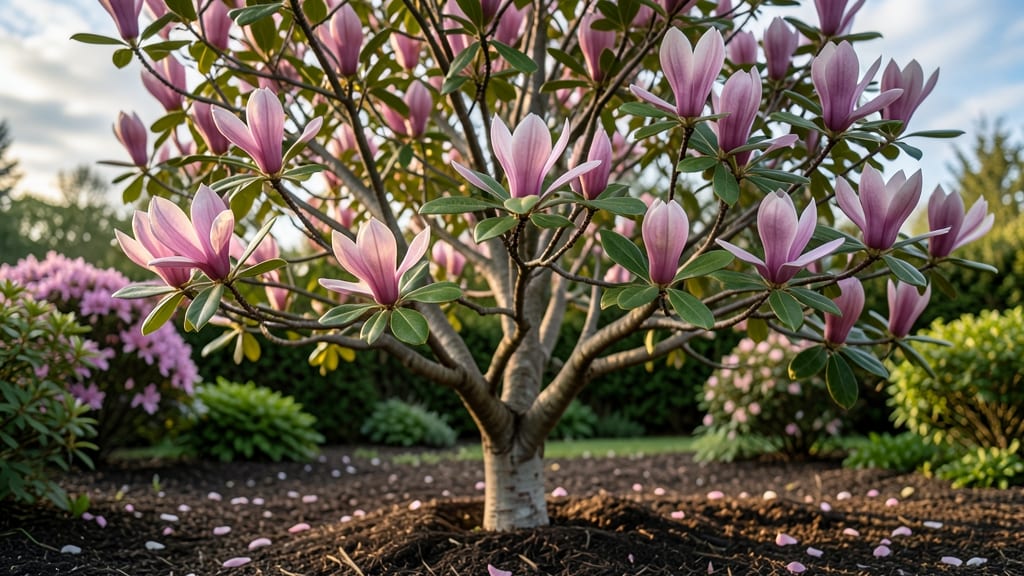
Magnolia trees thrive in Seattle's climate thanks to their adaptability to the region's mild winters and high humidity. Varieties like Jane and Saucer Magnolia stand out for their hardiness and stunning seasonal blooms, while proper planting and maintenance help prevent common issues like fungal infections.
Seattle's coastal climate—with its damp winters and moderate summers—creates ideal conditions for magnolias, but also demands specific care to prevent problems like root rot or powdery mildew. 🌿 The key is mimicking their natural habitat: well-draining soil that prevents waterlogging and afternoon shade to protect delicate blooms from intense afternoon sun.
I've found that mulching in late fall adds an extra layer of protection against Seattle's persistent moisture, which can otherwise encourage fungal growth. These trees reward you with dramatic spring blooms and glossy foliage that lasts through fall, making them a standout choice for Pacific Northwest gardens.
For best results, focus on soil prep first—amending clay-heavy Seattle soil with compost improves drainage while retaining moisture during dry spells.
Varieties like Jane magnolia (with its pink blooms) and Saucer Magnolia (known for large white flowers) handle our climate particularly well, often blooming earlier than other varieties when temperatures stabilize in late winter. The trade-off?
Their early blooms make them slightly more vulnerable to late frosts, so choosing a sheltered planting location pays off big time.
💡 In This Article
- Climate Adaptations for Seattle Magnolias
- Top Disease-Resistant Magnolia Varieties for Pacific Northwest Gardens
Climate adaptations for Seattle magnolias
Seattle’s coastal climate creates a unique growing environment for magnolias, where the combination of high humidity (80-90% in winter), frequent rainfall (around 40 inches annually), and mild winters (rarely dropping below 20°F) demands specific adaptations.
The biggest challenge is preventing waterlogged roots—a common issue in Seattle’s clay-heavy soils that struggle to drain excess moisture. Magnolias native to the southeastern U.S. (their original habitat) prefer well-aerated soil, so amending with 3-4 inches of compost before planting mimics their natural conditions while improving drainage.
This soil prep is critical because waterlogged roots can lead to root rot, a fungal disease that thrives in Seattle’s damp winters. 🌧️
The timing of blooms also shifts in Seattle’s climate. Varieties like Jane Magnolia often bloom 2-3 weeks earlier than in warmer climates because they respond to consistent temperatures above 40°F rather than specific seasonal cues.
This early blooming makes them vulnerable to late frosts (which Seattle can experience into April), so planting near a south-facing wall or using frost blankets during critical bloom periods can protect delicate flowers. The trade-off?
These early bloomers reward gardeners with vibrant pink or white flowers when many other trees are still dormant.
Humidity plays a dual role in magnolia care—it keeps leaves lush but also creates ideal conditions for fungal diseases like powdery mildew. The solution lies in strategic pruning: removing 10-15% of the canopy in late winter improves air circulation, reducing humidity levels near the foliage.
Additionally, applying a 2-3 inch layer of mulch in fall creates a moisture barrier that prevents soil-borne fungi from splashing onto leaves during Seattle’s frequent rain showers.
This mulch layer also insulates roots against temperature swings, which can occur when warm, wet air meets cooler ground temperatures—a common pattern in Seattle’s maritime climate. 🌿
One often-overlooked adaptation is the role of afternoon shade. While magnolias need 6-8 hours of sunlight daily, Seattle’s intense afternoon sun (especially in summer) can scorch leaves, particularly on newly planted trees.
Planting magnolias where they receive morning sun and afternoon shade (from nearby trees or structures) prevents leaf burn while maintaining the photosynthesis needed for robust growth. This shading strategy is especially important for varieties like Saucer Magnolia, whose large leaves are more susceptible to sun damage.
Seattle’s climate also affects bloom size and frequency. The consistent moisture and moderate temperatures encourage magnolias to produce larger, more abundant flowers than they would in drier climates.
For example, a Saucer Magnolia in Seattle might produce blooms 20-30% larger than the same variety grown in Arizona, where water stress limits flower development.
However, this lush growth requires regular maintenance: pruning spent blooms in early summer promotes new flower buds for next year, while fertilizing in early spring (with a 10-10-10 NPK ratio) supports the energy demands of blooming in Seattle’s nutrient-rich but sometimes compacted soils.
For gardeners dealing with Seattle’s specific challenges, the key takeaway is balance: provide enough moisture to support growth without waterlogging roots, protect against fungal diseases through proper airflow and mulching, and shield delicate blooms from late frosts and intense afternoon sun.
With these adaptations, magnolias not only survive but thrive in Seattle’s unique climate, offering year-round interest with their glossy foliage and seasonal blooms. 🌸