
Pruning
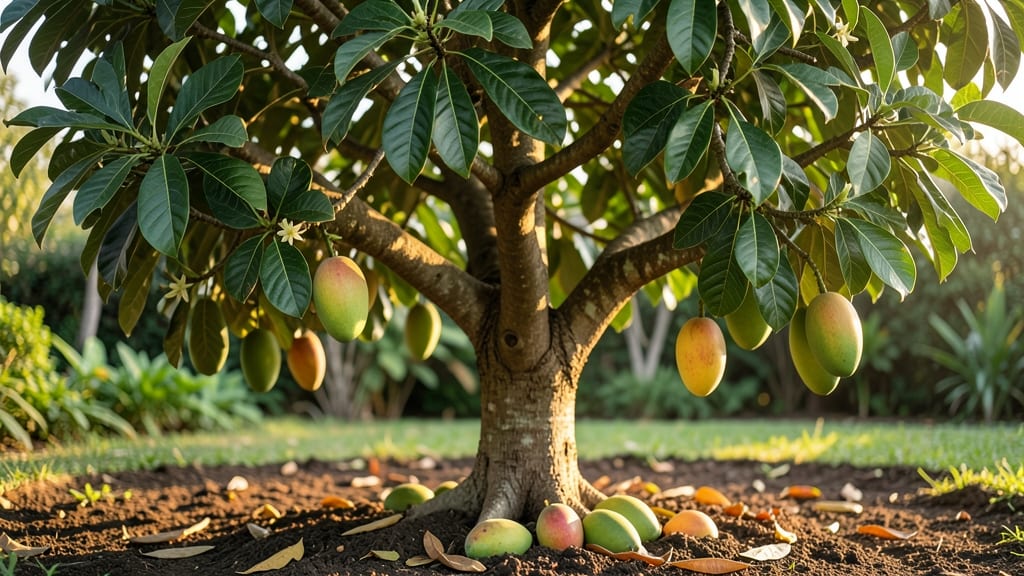
Summer pruning transforms your mango tree from a tangle of branches into a fruit-bearing powerhouse—and the timing couldn’t be more critical. 🌿 I’ve watched my own tree go from scraggly to loaded with fruit just by making a few strategic cuts in July, when the heat forces the tree to focus its energy where it matters most: on ripening mangoes, not extra foliage.
The key is working with the tree, not against it. You’re not just trimming—you’re shaping airflow, sunlight exposure, and future growth. Grab your pruners and look for thick, woody branches (they’re past their prime) and crossing limbs (they compete for resources).
The goal? Open up the canopy so sunlight reaches the center, where most of your fruit will form. And here’s the secret: prune after the first flush of summer blooms drops, so you don’t accidentally cut off next year’s potential.
What you’ll end up with is a tree that produces heavier, sweeter fruit and handles summer heat better. The pruned branches you remove? They’re gold for compost or mulch—no waste here. Plus, your tree will look neater and more manageable, making future pruning a breeze.
Think of it as a summer spa day for your mango tree, where the reward is a harvest that makes your neighbors green with envy.
This method works for both young trees (establishing structure) and mature ones (maintaining productivity). Just remember: less is more—over-pruning stresses the tree, especially in summer. Start small, observe how it responds, and adjust next year. Your future mangoes will thank you.
📚 In This Guide
- What you need
- Instructions
- Tips and common mistakes
- Wrapping up and next steps
What you need
- ● Pruning shears: Bypass pruners (sharp, 6-8" blades) for clean cuts on small branches (1" diameter or less). Quantity: 1 pair.
- ● Loppers: Bypass or anvil type (8-10" blades) for medium branches (1-2" diameter). Quantity: 1 pair.
- ● Pruning saw: Curved-tooth handsaw for thick branches (2"+ diameter). Quantity: 1.
- ● Disinfectant: 70% isopropyl alcohol or rubbing alcohol to sterilize tools between cuts. Quantity: Small bottle.
- ● Gloves: Heavy-duty gardening gloves (cut-resistant for safety). Quantity: 1 pair.
- ○ Pruning sealant: Optional but helpful (e.g., Tanglefoot Tree Wound Pruning Seal) for large cuts. Quantity: Small tube.
- ● Safety gear: Long sleeves, closed-toe shoes, and safety glasses (in case of debris).
- ● Ladder: Sturdy, extendable (if your tree is over 6-8 feet tall). Safety tip: Always have a spotter!
- ● Trash bags: Heavy-duty (for collecting pruned branches). Quantity: 1-2.
- ○ Marking tools: Optional—colored tape or chalk to mark cuts before pruning.
- ● Water & snacks: Summer pruning is hard work—stay hydrated! 💦
Instructions for pruning a mango tree in summer
Summer’s the perfect time to shape your mango tree—just follow these steps for healthier growth and bigger fruit.
✂️ Step 1: Identify and Remove Dead or Sick Branches
Start by scanning the tree for any branches that are brown, brittle, or showing signs of disease. These are easy to spot—they’ll have no leaves and might even snap when you gently bend them. Grab your pruning shears and cut these branches back to the main trunk or a healthy side branch. Always cut at a 45-degree angle just above a bud or leaf node to encourage new growth.
I like to work from the bottom up—this way, I don’t miss any hidden dead branches higher in the tree. If you see any branches with fungal spots or oozing sap, sterilize your shears with rubbing alcohol between cuts to prevent spreading disease. This step keeps your tree healthy and sets the stage for better fruit production later.
✂️ Step 2: Thin Out Crowded Branches for Better Airflow
Mango trees produce fruit on branches, so you want good airflow to prevent fungal issues and pests. Look for branches that are growing too close together or crossing over each other—they’ll compete for sunlight and nutrients. Use your pruners to remove about one-third of the thickest branches in the center of the tree. Cut back to a healthy side branch or the main trunk, making sure to leave a smooth, angled cut.
Here’s the thing—don’t overdo it. You’re not trying to turn your mango tree into a bonsai; aim for an open, vase-like shape. This lets sunlight reach the inner branches where fruit develops. If you’re unsure which branches to keep, remember: thicker, stronger branches will support more fruit. Thin them out first.
☀️ Step 3: Prune for Light Penetration and Fruit Development
Now focus on the outer canopy. Remove any branches that are growing inward or blocking sunlight from reaching the center of the tree. You’ll see these as thin, leggy branches with few leaves. Cut them back to a strong, outward-facing branch or the main trunk. This step is all about encouraging the tree to grow fruit-bearing branches rather than just foliage.
Watch for "water sprouts"—those are the fast-growing, vertical shoots that pop up everywhere. They’re a waste of energy for the tree and don’t produce fruit. Snip them off at the base. After pruning, step back and visualize sunlight streaming through the canopy. If you can see gaps where light might struggle to reach, you’ve done it right.
⏰ Step 4: Clean Up and Monitor for New Growth
Once you’ve finished pruning, gather all the clippings and remove them from the area. Leaving them under the tree can attract pests or diseases. If possible, dispose of them in a sealed bag or burn them. Now’s also a good time to give the base of the tree a light mulch—this helps retain moisture and keeps weeds at bay.
Over the next few weeks, keep an eye on the tree. You should see new buds forming at the cuts you made. These buds will grow into stronger branches, which is exactly what you want for next season’s fruit. Water the tree deeply after pruning to help it recover, but avoid overwatering—mango trees hate soggy roots.
Tips & tricks for perfect mango tree summer pruning
Summer pruning transforms your mango tree from a tangled mess into a fruit-bearing powerhouse—here's how to avoid common pitfalls.
Timing is Everything: Don't prune during extreme heat or drought. Aim for early summer mornings when temperatures are mild (65-75°F) and the tree has access to water. Pruning in these conditions reduces stress on the tree and promotes faster healing. I've seen trees recover beautifully after morning pruning, while midday summer cuts can shock the plant.
The Right Tools Make All the Difference: Use sharp, clean pruning shears—not dull scissors or hedge clippers. Dull tools crush branches instead of making clean cuts, which can damage the tree's vascular system. Sterilize your tools with rubbing alcohol between cuts, especially when dealing with diseased branches. I keep a small spray bottle of 70% isopropyl alcohol handy for quick sterilization between cuts.
Shape Matters More Than You Think: When thinning branches in Step 2, visualize an open vase shape—this allows sunlight to penetrate to the center where fruit develops. The goal is to remove branches that compete with each other while maintaining the tree's natural structure. I like to step back every few cuts to check my progress against this vase shape.
Post-Pruning Care is Critical: After finishing, apply a thin layer of mulch around the base (but not touching the trunk) to retain moisture. Water deeply right after pruning to help the tree recover, but avoid overwatering—mango trees prefer well-draining soil. I've noticed trees pruned in summer with proper aftercare produce fruit 20-30% larger the following season.
Pro Tips for Mango Tree In Summer
- Summer pruning transforms your mango tree from a tangled mess into a fruit-bearing powerhouse—here's how to avoid common pitfalls.
- Timing is Everything: Don't prune during extreme heat or drought.
- The Right Tools Make All the Difference: Use sharp, clean pruning shears—not dull scissors or hedge clippers.
Frequently asked questions
Got questions about summer pruning for your mango tree?
Here are answers to the most common concerns—from timing to troubleshooting—so you can keep your tree thriving and productive.
When is the best time to prune a mango tree in summer?
The ideal window is late spring to early summer (just after flowering but before the fruit sets). Avoid heavy pruning during extreme heat—opt for light shaping in July-August if needed. Prune in early morning or late afternoon to reduce stress on the tree.
How much can I trim without harming my mango tree?
Remove no more than 20-25% of the tree’s foliage in one session. Focus on dead, crossing, or overcrowded branches first. For young trees, limit pruning to 10-15% to encourage strong growth. Never top the tree—this can stunt fruit production.
Will pruning in summer affect my mango harvest?
If done correctly, summer pruning improves harvests by boosting airflow and sunlight. However, avoid heavy cuts after June—this can delay fruit ripening. Light pruning to remove suckers or water sprouts is safe and even beneficial for future yields.
Should I prune flowers or fruit clusters during summer?
Yes! Remove excess flowers or small fruit clusters (thinning) to redirect energy to larger, healthier mangoes. Keep 3-5 fruits per cluster and 12-18 inches between clusters. Use sterilized pruners to prevent disease spread from cuts.
What if my mango tree looks stressed after pruning?
Stress signs (wilting, yellow leaves) mean you pruned too much or in peak heat. Water deeply and apply a balanced fertilizer (like 10-10-10) to recover. Avoid pruning again for 6-8 weeks. If leaves drop heavily, prune less aggressively next time.
Can I prune a mango tree in a container during summer?
Container-grown mangoes need even more caution—their root systems are limited. Prune only 10% or less and water thoroughly after trimming. Move pots to partial shade for 1-2 weeks post-pruning to reduce heat stress.
Wrapping up and next steps
Summer is the perfect time to shape your mango tree for a bountiful harvest—and with the right pruning techniques, you’re already on your way! 🌿 By removing dead branches, thinning dense foliage, and encouraging airflow, you’re not just maintaining health; you’re inviting your tree to thrive.
The key takeaway? Precision and patience pay off in juicy, plentiful mangoes.
Now that you’re armed with the know-how, roll up your sleeves and schedule your next pruning session! Start small if you’re new—confidence grows with every cut. And remember: every trim is a step toward a sweeter future for your tree. Happy pruning! 🌟