
Pruning
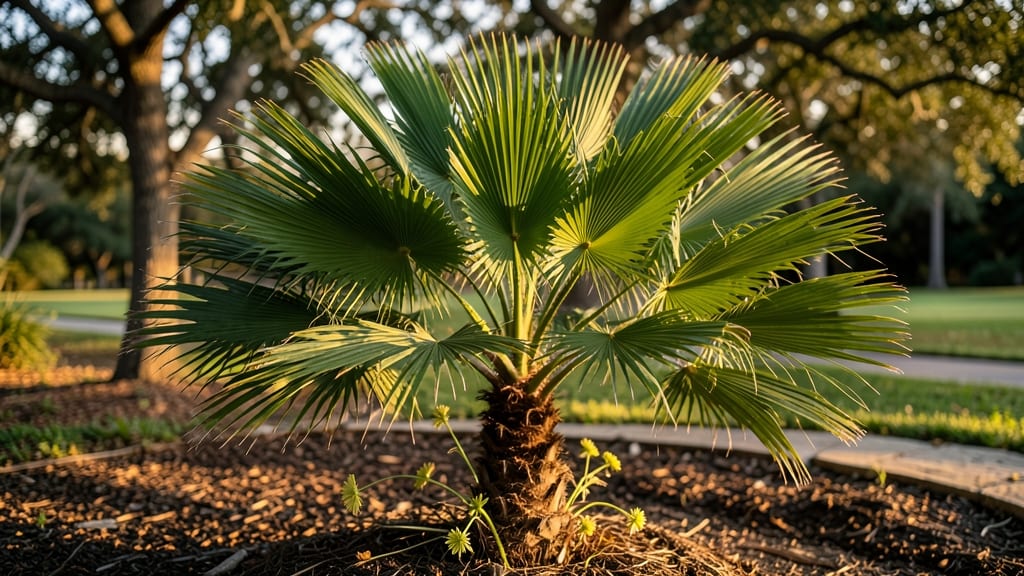
Short palm trees transform small spaces into tropical escapes without the towering presence. 🌴 The secret lies in strategic pruning that keeps them compact while encouraging lush, full growth—perfect for courtyards, containers, or tight urban gardens.
My Pygmy Date Palm now fits neatly on my patio, its fronds reaching just 6 feet tall while still thriving. The right varieties make all the difference: Parlor Palms stay under 3 feet, while Dwarf Palmetto tops out at 4 feet.
Place them where they’ll get bright, indirect light—near east or west-facing windows, under patio umbrellas, or in sheltered corners of the garden. They’ll reward you with vibrant fronds and a relaxed, coastal vibe year-round. With proper pruning, you’ll maintain that neat, manageable height while keeping the plant healthy.
Dead fronds get removed, new growth stays controlled, and the tree stays disease-free and full. The result? A palm that fits your space without sacrificing tropical charm. Works for both indoor pots and outdoor plantings—just adjust watering based on your climate.
Here’s how to keep them looking their best all season long.
📚 In This Guide
- What you need
- Instructions
- Tips and common mistakes
- Wrapping up and next steps
What you need
- ● Pruning shears: Sharp, bypass-style shears (for clean cuts). Size: 6–8" blades (ideal for fronds 1–3" thick).
- ● Loppers: 1 pair (for thicker fronds or trunks, if needed). Recommended: 24" extendable handles for safety.
- ● Heavy-duty gloves: Cut-resistant (e.g., Mechanix or Tough Outdoorsman). Why? Palm fronds have razor-sharp serrations!
- ● Disinfectant (70% isopropyl alcohol or bleach solution): 1 small spray bottle or cloth. Critical: Sterilize tools between cuts to prevent disease.
- ○ Pruning saw (optional but helpful): Only if your palm has a thick trunk (e.g., Paurotis palm). Type: Folding pruning saw with 8–10" blade.
- ● Ladder or extension pole: Height: Reach at least 10–12' above ground (adjust based on tree height). Safety tip: Use a sturdy, 3-sided ladder for stability.
- ● Heavy-duty trash bags: 2–3 large bags (30–50 gallon) for debris. Pro move: Tie them at the top for easy disposal.
- ● Hose or bucket of water: 1 gallon minimum. Purpose: Rinse tools and clean cuts post-pruning.
- ● Pruning sealant: Tanglefoot Tree Wound Pruning Seal (for large cuts on trunks). When to use: Only if you’re removing >10% of the trunk’s diameter.
- ● Safety goggles: Protect your eyes from sap and debris.
- ● Knee pads: For comfort if you’re working on the ground.
- ● Work vest with pockets: Keep tools organized mid-project.
- ● Camera or phone: Snap before/after pics to track growth!
How to prune palm trees for compact, year-round growth
Here's the simple method I use to keep palms lush and contained—no guesswork, just clear steps.
✂️ Step 1: Identify Dead or Damaged Fronds
Start by inspecting your palm from the base upward. Look for brown, crispy fronds that crumble easily or blackened tips from frost or disease. These are your first targets—they’re not just ugly, they drain energy from healthy growth. I always check in early spring before new shoots emerge, but you can prune dead fronds anytime.
Use clean, sharp pruners to cut the frond at its base where it meets the trunk. Angle the cut slightly downward to prevent water from pooling. If a frond is too large to handle easily, cut it into 2-3 foot sections and remove them one by one. Never pull or tear—this can damage the trunk or leave ragged edges that attract pests.
✂️ Step 2: Trim Overly Long or Crowded Fronds
Once dead fronds are gone, focus on shaping. If your palm has fronds longer than 6 feet or ones that block sunlight from reaching the center, trim them back by one-third. I start at the outer edges and work inward, cutting just above a leaf joint (the small bump where the frond attaches). This encourages bushier growth while keeping the palm compact.
For palms with too many fronds (like Majesty or Canary Island palms), remove the oldest ones first. These are the largest, lowest fronds that no longer contribute to the plant’s energy. You’ll know it’s time when the frond’s base is dry and hollow—tap it gently, and if it sounds hollow, it’s ready to go.
☀️ Step 3: Prune for Better Airflow and Light
Palms need good airflow to stay healthy, so avoid letting fronds tangle or overlap. If you see fronds growing at odd angles or blocking sunlight from reaching the center, trim them back to half their length. This isn’t just for looks—it prevents fungal diseases like leaf spot, which thrive in damp, shaded conditions.
Pay special attention to the palm’s crown (the topmost fronds). If they’re too dense, the center can become a breeding ground for pests. Use your pruners to thin out every other frond in the crown, cutting them back to 12 inches from the growing tip. This opens up the palm and lets light reach the trunk, which encourages stronger, more compact growth.
🪴 Step 4: Clean Up and Protect the Trunk
After pruning, remove all debris from the base of the palm. Dead fronds left on the ground can harbor pests or fungi, and they make your yard look messy. I rake up all clippings and dispose of them in a sealed bag—never compost palm fronds, as they take years to break down.
If your palm has scars or rough spots on the trunk from old frond bases, smooth them out with a clean, sandpaper-like file (available at garden centers). This prevents water from pooling and reduces the risk of rot. For palms with hairy or fibrous fronds (like Kentia palms), use a soft brush to gently remove debris from the trunk after pruning.
⏰ Step 5: Schedule Regular Maintenance
Prune dead fronds every 3-4 months to keep your palm tidy and healthy. For shaping, do a light trim in late winter or early spring before new growth starts. Avoid heavy pruning in summer or fall, as this stresses the palm when it’s already working hard to store energy for winter.
If you’re growing a dwarf palm (like a Pygmy Date or Parlor Palm), you can prune more aggressively to control height. Just remember: never remove more than one-third of the fronds at once. This ensures the palm has enough leaves to photosynthesize and stay strong. With consistent care, your palm will stay compact, lush, and full of life all year round.
Tips & tricks for perfect palm tree pruning
These simple tricks will help you keep your palm looking neat and thriving all year long.
Timing Secret: Early spring is the ideal time to prune because it coincides with new growth. If you notice dead fronds during other seasons, remove them immediately, but avoid heavy pruning in summer or fall when the palm is already stressed. The 3-4 month maintenance schedule mentioned in Step 5 keeps your palm healthy without overwhelming it.
Tool Technique: Always use clean, sharp pruners to make precise cuts—dull blades can crush the stems and damage the palm. For large fronds, cutting them into 2-3 foot sections makes handling easier. I also recommend wearing gloves when working with hairy or fibrous palms like the Kentia variety to avoid scratches from the sharp leaf edges.
Visual Cue for Pruning: When deciding which fronds to remove, look for these telltale signs: brown, crispy fronds are dead and ready for removal, while hollow-sounding bases indicate the oldest fronds. In Step 3, when trimming for airflow, aim to create a "sunburst" effect by thinning out every other frond in the crown—this opens up the center and lets light reach the trunk.
Cleanup Strategy: After pruning, never leave debris at the base of your palm. I use a small rake to gather all clippings and dispose of them in a sealed bag. This prevents pests and fungi from taking hold. For palms with rough spots on the trunk, a sandpaper-like file smooths out scars and prevents water from pooling, which is especially important in humid climates.
Pro Tips for Palm Tree Short
- These simple tricks will help you keep your palm looking neat and thriving all year long.
- Timing Secret: Early spring is the ideal time to prune because it coincides with new growth.
- Tool Technique: Always use clean, sharp pruners to make precise cuts—dull blades can crush the stems and damage the palm.
Frequently asked questions
Got questions about keeping your palm trees short and healthy? Here are some of the most common ones—plus quick, actionable answers to help you prune like a pro!
Why should I prune my palm tree short?
Pruning keeps your palm tree compact, improves airflow, and prevents dead fronds from weighing down the tree. It also encourages new growth and can help manage height in tight spaces—like patios or urban yards. Pro tip: Regular pruning reduces the risk of pests and disease by removing damaged or diseased fronds early.
When is the best time to do a palm tree short prune?
Spring or early summer is ideal because the tree is actively growing and can recover faster. Avoid pruning during extreme heat or cold, as stress can harm the palm. If you’re in a tropical climate, you can prune year-round—but always check for pests or signs of stress first.
Can I prune a palm tree too short? What’s the minimum height?
Never remove more than ⅓ of the fronds at once—this can shock the tree. For most palms, aim to leave at least 6–8 feet of trunk exposed (or half the mature height) to maintain structural integrity. Over-pruning can lead to weak growth or even death in severe cases.
What if my palm tree starts looking sad after pruning?
Yellowing fronds or slow growth? You might’ve pruned too aggressively. Solution: Water deeply, avoid fertilizing for 4–6 weeks, and monitor for pests (like spider mites). If the trunk looks bare, add mulch to protect roots and encourage regrowth. Most palms bounce back in 3–6 months!
Are there palm tree alternatives for small spaces?
Yes! If you love the look but lack space, try pygmy date palms (max 6–10 ft) or dwarf palmetto palms (clumping, under 5 ft). For indoor options, parlor palms or areca palms thrive in pots and stay compact. Just ensure they get bright, indirect light!
Wrapping up and next steps
Mastering the palm tree short recipe for compact growth is all about patience, precision, and timing! 🌴 With the right tools, techniques, and seasonal care, you can keep your palm tree lush, healthy, and perfectly proportioned—no matter the weather.
Whether you’re trimming fronds, managing frond retention, or addressing common challenges, your efforts will pay off in a stunning, manageable tree.
Ready to take the next step? Grab your pruning tools, schedule your next session, and enjoy the satisfaction of a well-maintained palm tree that stays short and stylish year-round! 🌟