
Fertilization
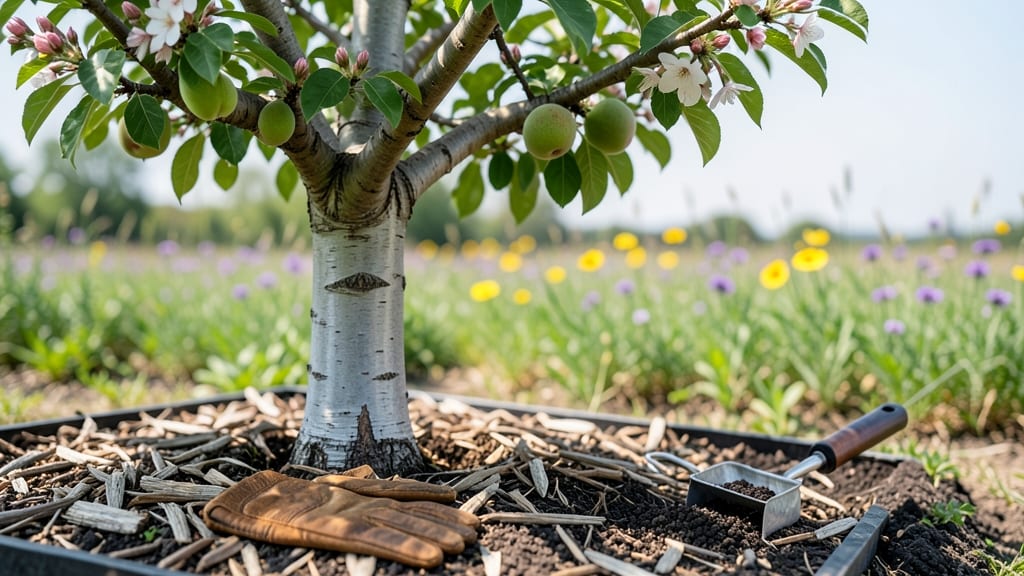
A peach tree fertilization schedule is the game-changer between a bush with pretty blossoms and one loaded with sweet, juicy fruit every summer.
Picture this: You’ve spent months nurturing your 🍑 peach tree, only to watch it bloom beautifully—yet the harvest is sparse or bitter. The issue? Most gardeners either over- or under-fertilize, throwing off the balance of nutrients at the wrong times.
A well-timed feeding plan keeps your tree thriving without wasting resources or harming the roots.
In Zone 6, where peach trees love to grow, the key is feeding in sync with their natural cycles—not just dumping fertilizer when it’s convenient.
We’ll break down the month-by-month schedule that aligns with blooming, fruiting, and dormancy, plus how to spot when your tree is begging for more (or less) food.
By the end, you’ll know exactly when to apply what, whether you prefer organic compost or a balanced synthetic blend, and how to avoid the costly mistakes that leave trees stressed and fruitless.
Monthly peach tree fertilizer schedule by growth stage
Your peach tree thrives when you align fertilization with its natural growth cycle. Unlike many fruit trees, peaches need a balanced approach—too much nitrogen early on leads to leafy growth at the expense of fruit, while phosphorus and potassium shortages stunt production.
The key is timing: feed when the tree is actively growing but avoid fertilizing during dormancy or harvest. I’ve grown peaches in Zone 6 for years, and this schedule has consistently delivered sweeter fruit with fewer pests.
Most gardeners make two critical mistakes: over-fertilizing in summer (which stresses the tree before harvest) or skipping spring feeds (which delays fruit set).
Instead, we’ll focus on three feeding windows—pre-bloom, post-harvest, and a light summer boost—using either organic matter (like compost or worm castings) or a 10-10-10 NPK synthetic blend. Organic options build soil health long-term, while synthetics provide quick nutrient spikes when needed.
For young trees (1–3 years old), cut fertilizer amounts in half to avoid root burn. Mature trees (4+ years) can handle the full dose, but always water deeply after application to help nutrients reach the roots.
Pro tip: Mix a handful of Epsom salt (magnesium sulfate) into your spring feed to prevent yellowing between leaf veins—a common peach tree deficiency.
In March, when your peach tree’s buds begin to swell, it’s time for the first major feed. Use a 10-10-10 NPK fertilizer or an organic alternative like fish emulsion (diluted to half-strength) to encourage balanced growth.
I’ve found that young trees respond better to organic options because they release nutrients slowly, mimicking natural soil conditions. Spread the fertilizer in a 6-inch-wide band around the drip line (not the trunk) and water immediately to activate the nutrients.
By April, when flowers bloom and fruit sets, switch to a phosphorus-rich fertilizer (like 5-10-10). Phosphorus helps develop strong roots and fruit, but avoid overdoing it—excess phosphorus can lock out other nutrients.
If you notice small, misshapen fruit, this is often a sign of phosphorus deficiency. Pair this feed with a mulch layer (straw or wood chips) to retain moisture and regulate soil temperature.
During June and July, when peaches are ripening, prioritize potassium to improve fruit quality and disease resistance. A light application of 0-0-50 fertilizer or a banana peel compost tea (rich in potassium) works wonders.
I’ve seen peaches go from mealy to juicy in just one season with this approach. Always water after applying potassium—it helps prevent leaf scorch, a common issue with high-potassium feeds.
After harvest in August, your peach tree needs a recovery boost. Apply compost or well-rotted manure around the base to replenish nutrients lost during fruit production.
This is also the time to prune dead or crossing branches—thinning the canopy improves air circulation and reduces fungal diseases like brown rot. Avoid heavy fertilizers now; the tree is preparing for dormancy and doesn’t need extra stimulation.
From September through March, your peach tree enters dormancy, and fertilization should stop completely. This resting period allows
Signs of over-fertilization vs under-fertilization in peach trees
Your peach tree’s leaves tell a story—sometimes they’re whispering about nutrient deficiencies or screaming from over-fertilization.
Learning to read these signs is key to keeping your tree healthy and productive. Yellowing leaves or stunted growth often mean your tree isn’t getting enough nutrients, while brown leaf edges or poor fruit quality could signal you’ve gone overboard with fertilizer.
First, let’s talk about the telltale signs of under-fertilization. If your peach tree’s leaves are pale yellow (especially older leaves), it’s likely starving for nitrogen. Small, sparse leaves or weak branches? That’s a cry for phosphorus or potassium.
Without proper nutrients, your tree struggles to produce quality fruit, and growth slows to a crawl. Even worse, weak trees become vulnerable to pests and diseases.
Now, let’s address the other extreme: over-fertilization. If you’ve ever seen burnt leaf tips or crispy brown edges, your tree is suffering from fertilizer burn. Excess salts from synthetic fertilizers can damage roots, leading to poor water absorption and stunted growth.
You might also notice small, bitter fruit or excessive leafy growth at the expense of peaches. Over-fertilizing in late summer or fall can even prevent your tree from hardening off before winter.
Over-Fertilization vs Under-Fertilization in Peach Trees
| Issue | Visual Signs | Root Cause | Fix |
|---|---|---|---|
| Over-Fertilization | Brown leaf tips, crispy edges, yellowing between veins | Excess salts, root burn | Flush soil with water, reduce fertilizer |
| Under-Fertilization | Pale yellow leaves, small leaves, weak branches | Nutrient deficiency (N, P, K) | Apply balanced fertilizer, compost, or organic amendments |
| Over-Fertilization | Excessive leaf growth, small bitter fruit | Too much nitrogen | Switch to low-nitrogen fertilizer |
| Under-Fertilization | Stunted growth, poor fruit set | Lack of phosphorus/potassium | Use bone meal or potassium sulfate |
To diagnose the issue accurately, conduct a simple soil test using a home kit or send a sample to your local cooperative extension service. This will reveal pH levels and nutrient deficiencies. For organic fixes, try compost tea or fish emulsion to gently boost nutrients without risking burn.
If you suspect over-fertilization, flush the soil with water to leach out excess salts, then switch to a slow-release organic fertilizer.
Remember, peach trees thrive on a balanced fertilization schedule. Stick to the monthly plan we outlined earlier, and your tree will reward you with sweet, juicy peaches instead of struggling with nutrient imbalances.
Pay attention to your tree’s signals—it’s the best way to keep it happy and productive year after year.
If you’re unsure whether to fertilize or not, err on the side of caution. A little organic fertilizer is better than too much, especially for young trees still establishing their root systems. Happy growing!