
Trees
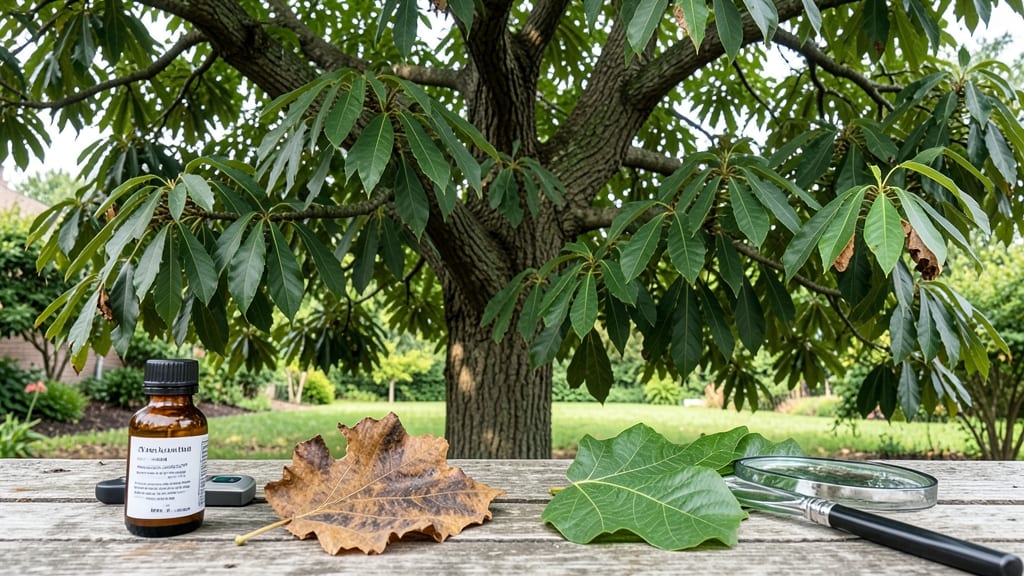
Pecan tree leaves turning brown can feel like a death sentence for your harvest—until you know the quick fixes. 🌿 I’ve seen entire groves revive in just a few weeks once we pinpointed the real culprit: nutrient deficiencies, fungal infections, or hidden pests wreaking havoc under the leaves.
The good news? Most cases aren’t permanent, and the solutions are simpler than you’d think.
Start by checking the undersides of leaves for spider mites or aphids (tiny webs or sticky residue are dead giveaways). If the brown spots have yellow halos, it’s likely anthracnose—a fungal disease that thrives in wet springs.
Drought stress? Look for crispy edges and soil that’s bone-dry two inches down. The fix often starts with a deep watering (not just a sprinkle) and a balanced fertilizer—but only after you rule out pests or disease.
Within 2-3 weeks, you’ll see new growth if you address the root cause. Prune out severely damaged branches (sterilize your tools first!), apply a copper fungicide for scab, or spray neem oil for pests.
The key is acting fast—pecan trees are tough, but they won’t fight for you if they’re already stressed. Think of it like giving your tree a nutrient IV drip before the next heatwave hits.
This works for young trees struggling in their first few years and mature pecan groves that’ve been neglected. The same principles apply whether you’re dealing with a single branch or the whole canopy. Let’s turn those brown leaves into lush, productive foliage—without losing next year’s crop in the process.
Root Causes Behind Browning Leaves
Understanding why your pecan tree’s leaves are turning brown starts with identifying the underlying stress factors. Pecan trees (Carya illinoinensis) are hardy but susceptible to environmental and biological pressures that trigger leaf discoloration.
Below, we break down the most common culprits—each with a distinct "signature" that helps diagnose the issue.
---
Pecan trees thrive in warm climates but struggle when temperatures or dry conditions exceed their tolerance. Heat stress causes leaves to wilt and brown at the edges, often starting with the older foliage. Drought stress triggers a similar response, but the browning may appear more uniform across the leaf surface.
Why it happens: - Water deficit: Pecan trees have deep root systems, but prolonged drought forces them to conserve moisture by shutting down leaf functions. Cells in the leaf margins (where water loss is highest) die first, turning brown. - Heat damage: Temperatures above 95°F (35°C) can scorch leaves, especially if humidity is low. The waxy cuticle on pecan leaves helps retain moisture, but extreme heat disrupts photosynthesis, leading to necrosis. - Soil moisture imbalance: Sandy or rocky soils drain too quickly, while clay soils may hold excess water but restrict root oxygen. Both scenarios starve roots of the water they need to support leaf health.
Actionable clue: Check the soil 2–3 inches deep—if it’s dry, your tree is thirsty. If it’s soggy, poor drainage may be the issue.
---
While drought is a common enemy, excess water is just as damaging. Pecan trees detest "wet feet," and soggy roots lead to root rot (Phytophthora or Fusarium fungi), which chokes the tree’s ability to absorb nutrients. Browning leaves paired with yellowing (chlorosis) often signal root distress.
Why it happens: - Oxygen deprivation: Roots need aerated soil to respire. Compacted or waterlogged soil suffocates them, triggering nutrient uptake failures. - Toxic buildup: Overwatering leaches nutrients but also concentrates salts in the root zone, burning fine root hairs. - Fungal invasion: Waterlogged conditions create a breeding ground for pathogens like Armillaria (shoestring root rot), which girdles roots and cuts off water/nutrient flow to leaves.
Actionable clue: If the soil smells like rot or mushrooms sprout near the base, drainage is the problem. Test soil moisture with your finger—it should feel like a damp sponge, not a swamp.
---
Pecan trees are prone to foliar diseases that thrive in humid conditions. Fungal infections like anthracnose (Colletotrichum) or scab (Fusicladium) cause brown, crinkled spots with a velvety texture, while bacterial leaf scorch (Xylella fastidiosa) creates v-shaped brown patches along leaf edges.
Why it happens: - Spores + moisture = infection: Fungi release spores in wet weather, which germinate on leaves within 24–48 hours. Bacterial scorch spreads via sap-feeding insects (e.g., spittlebugs) or contaminated tools. - Weakened defenses: Stressed trees (from drought, poor soil, or injury) have lower resistance to pathogens. - Seasonal triggers: Spring rains and summer humidity peak infection risk. Anthracnose, for example, erupts when nights stay above 60°F (15°C) for weeks.
Actionable clue: Scrape a brown spot—if it’s powdery (fungal) or oozes (bacterial), you’ve got an infection. Magnify the edges: fungal spots often have halos or cracked textures.
---
Pecan trees are heavy feeders, and deficiencies show up as specific browning patterns. For example: - Zinc deficiency: Brown, interveinal chlorosis (yellowing between veins) with brittle leaves.
Zinc is critical for chlorophyll production. - Magnesium deficiency: Yellowing between veins (chlorotic mottling) that progresses to brown as cells die. Magnesium is a key component of chlorophyll. - Potassium deficiency: Scorched, curled edges (especially on older leaves) due to impaired water regulation.
Potassium also strengthens cell walls against disease.
Why it happens: - Soil pH imbalances: Pecans prefer slightly acidic to neutral soil (pH 6.0–7.0). High pH locks out zinc and manganese; low pH leaches calcium. - Immobile nutrients: Zinc and magnesium are non-mobile in plants—once leaves show symptoms, the damage is permanent for that growth cycle. - Competition: Weeds or thick grass siphon nutrients, leaving your pecan tree malnourished.
Actionable clue: Send a soil test to your local extension office. Deficiencies often pair with stunted growth or small, deformed nuts—a red flag for long-term stress.
--- Insects like pecan aphids, webworms, or scale insects suck sap from leaves, causing stippling, curling, and brown patches. Their damage weakens the tree’s ability to photosynthesize, leading to premature leaf drop.
Why it happens: - Sap extraction: Pests like aphids inject toxins that disrupt leaf function, causing necrotic spots. - Secondary infections: Honeydew (sticky sap excreted by pests) attracts sooty mold, which coats leaves in a dark, velvety fungus—accelerating browning. - Stress cycle: Weak trees attract more pests, creating a vicious cycle of decline.
Actionable clue: Shake branches over a white sheet—tiny bugs or webbing? That’s your culprit. Check undersides of leaves for eggs or frass (insect droppings).
--- Mechanical stress—like lawnmower wounds, harsh pruning, or construction trauma—can sever vascular tissue, causing browning downstream from the injury. Even over-fertilization (especially with nitrogen) can "burn" roots, leading to leaf discoloration.
Why it happens: - Vascular disruption: Cutting into the cambium layer (the tree’s growth ring) severs water/nutrient transport, causing downward browning. - Salt burn: Overuse of fertilizers or de-icing salts in winter damages root cells, halting nutrient uptake. - Pruning mistakes: Topping or removing too many branches at once stresses the tree, triggering defensive leaf drop.
Actionable clue: Look for ragged edges on browning areas or unusual growth patterns (e.g., epicormic sprouts near wounds). If the damage is recent, the browning will spread away from the injury site.
Revive Your Pecan Tree Now
If your pecan tree’s leaves are turning brown, don’t panic—there’s a fix for every cause. Below, we break down practical, step-by-step solutions tailored to the root of the problem, along with prevention tips to keep your tree thriving. Let’s get your pecan tree back to its lush, green glory!
---
Brown leaves often signal a lack of essential nutrients. Here’s how to diagnose and correct them:
#### 🔥 Zinc or Iron Deficiency (Yellow-Brown Leaves, Stunted Growth) How to Fix It: 1. Soil Test First 🧪 – Confirm the deficiency with a soil test kit (available at garden centers). If zinc or iron is low, proceed.
2. Apply Chelated Nutrients 💧 – Use a chelated iron or zinc supplement (like Iron Chelate or Zinc Sulfate) mixed with water. Spray directly on leaves or water the soil around the tree’s drip line. - Dosage: Follow product instructions—typically 1 tbsp per gallon of water for light deficiencies.
3. Organic Boost 🌿 – Mix 1 cup of Epsom salt (magnesium sulfate) or 1 tbsp of iron sulfate into the soil near the roots. Water thoroughly.
4. Mulch for Long-Term Health 🍂 – Spread 2–3 inches of organic mulch (like compost or wood chips) around the base (keep it 6 inches away from the trunk). This improves soil structure and nutrient availability.
Prevention Tips: - Avoid overwatering (waterlogged soil leaches nutrients). - Fertilize in early spring with a balanced 10-10-10 or 8-3-9 fertilizer. - Monitor young trees—they’re more susceptible to micronutrient deficiencies.
---
#### 🍳 Nitrogen Deficiency (Pale Green to Brown Leaves, Slow Growth) How to Fix It: 1. Fast-Acting Fix: Liquid Fertilizer 💦 – Use a high-nitrogen fertilizer (like 30-0-0 or 20-0-0 urea) and apply according to package directions. Water the soil before and after application.
2. Slow-Release Option 🌱 – Switch to a slow-release granular fertilizer (like 27-3-4) in early spring. Spread evenly over the root zone and water in. 3. Compost Tea 🍲 – Brew compost tea (steep compost in water for 24–48 hours, strain) and pour it around the base of the tree.
Rich in nitrogen and beneficial microbes.
Prevention Tips: - Test soil annually—nitrogen levels drop quickly in sandy or fast-draining soils. - Add compost every fall to replenish organic matter. - Avoid over-pruning—too many cuts stress the tree and deplete nitrogen.
---
#### 👨🍳 Potassium or Magnesium Deficiency (Brown Edges, Weak Branches) How to Fix It: 1. Potassium Fix 🥔 – Apply potassium sulfate or wood ash (for alkaline soils) at a rate of 1–2 lbs per 100 sq ft. Water deeply after application.
2. Magnesium Fix 💡 – Sprinkle Epsom salt (magnesium sulfate) around the base (1 tbsp per foot of tree height). Water immediately to prevent root burn. 3. Banana Peel Tea 🍌 – Simmer banana peels in water for 30 minutes, strain, and use the liquid to water the tree.
Bananas are rich in potassium!
Prevention Tips: - Use a balanced fertilizer (like 10-10-10) to maintain potassium levels. - Avoid over-salting soil—too much sodium blocks magnesium uptake.
---
If brown leaves stem from drought, pests, or disease, act fast with these fixes:
#### 🔥 Drought Stress (Crispy, Dry Brown Leaves) How to Fix It: 1. Deep Watering 💧 – Water slowly and deeply (1–2 inches per week) at the drip line (not just the trunk). Use a soaker hose for even distribution.
2. Mulch Like a Pro 🍃 – Apply 3–4 inches of mulch (straw, pine needles, or shredded bark) to retain moisture. 3. Morning Watering ⏰ – Water before 10 AM to reduce evaporation and fungal risks.
Prevention Tips: - Install a rain gauge to track moisture levels. - Group trees with thirsty plants to share water efficiently.
---
#### 🍳 Pest Damage (Holes, Wilting, or Sticky Residue) How to Fix It: 1. Identify the Culprit 🕵️ – Check for: - Aphids (tiny green bugs, sticky honeydew). - Spider mites (fine webbing on undersides of leaves). - Scale insects (brown bumps on branches).
2. Blast Off Pests 💥 – Spray with: - Neem oil (1 tbsp per gallon of water + a drop of dish soap). - Insecticidal soap (follow label rates). 3. Attract Predators 🐞 – Plant marigolds or dill nearby to lure beneficial insects like ladybugs.
Prevention Tips: - Inspect leaves weekly during growing season. - Prune infested branches and dispose of them in sealed bags.
---
#### 🔪 Fungal or Bacterial Issues (Black Spots, Yellowing, or Oozing) How to Fix It: 1. Prune Infected Areas ⚔️ – Cut off brown or spotted leaves/branches with sterilized pruners (wipe with rubbing alcohol between cuts).
2. Fungicide Spray 🌿 – Use copper fungicide or baking soda spray (1 tbsp baking soda + 1 tsp oil + 1 gallon water). 3. Improve Airflow 🌬️ – Thin out dense branches to reduce humidity (fungi love damp leaves).
Prevention Tips: - Water at the base (avoid wetting foliage). - Clean up fallen leaves to prevent spore buildup.
---
| Issue | Best Time to Treat | Quick Action Steps | |-------------------------|------------------------|-----------------------------------------------| | Nutrient deficiency | Early spring or fall | Fertilize + mulch | | Drought stress | Summer (peak heat) | Deep water + mulch | | Pest outbreak | Spring or early fall | Spray neem oil + prune infested areas | | Fungal disease | After rain or humidity | Prune + fungicide spray |
--- 💡 Pro Tip: If brown leaves persist after 4–6 weeks, consult a local arborist—they can test for soil pH, hidden pests, or root issues.
--- ✨ Final Thought: Most brown-leaf issues are reversible with the right care. Start with one fix at a time, monitor progress, and adjust as needed. Your pecan tree will be back to its vibrant self in no time! 🌳💚
Frequently asked questions
Why do pecan tree leaves turn brown in patches rather than all at once?
Patchy browning often signals fungal infections like anthracnose or scab, which spread unevenly across leaves. Check for brown spots with yellow halos or velvety textures—common signs of fungal spores. Pests like spider mites can also create irregular brown patches by sucking sap from specific leaf areas.
Can overwatering cause pecan tree leaves to turn brown?
Pecan trees hate \"wet feet\"—excess water suffocates roots, leading to root rot and nutrient starvation. Look for yellowing leaves with brown edges if your soil stays soggy. Test drainage by digging 2–3 inches deep: if it feels like a swamp, reduce watering and improve soil aeration with compost.
How quickly should I expect to see improvement after treating nutrient deficiencies?
With the right fix, you’ll notice new green growth in 2–4 weeks, though severe cases may take longer. For zinc/iron deficiencies, foliar sprays show results faster than soil applications. Monitor progress by comparing old leaves (which won’t recover) to fresh, healthy growth—this confirms the treatment is working!
Are brown pecan leaves always a sign of disease or stress?
Not always! Normal leaf drop occurs in fall, but brown leaves in spring/summer usually indicate trouble. Check for crispy edges (drought) or sticky residue (pests). Healthy pecan trees shed only 10% of leaves annually—if you’re seeing more, investigate further.
What’s the best time of year to fertilize a pecan tree with brown leaves?
Early spring (before buds swell) is ideal for balanced fertilizers, while fall applications help roots prepare for winter. Avoid fertilizing during drought or extreme heat—this stresses the tree further. For deficiencies, apply micronutrients (like zinc sulfate) in late winter when trees are actively growing.