
Pruning
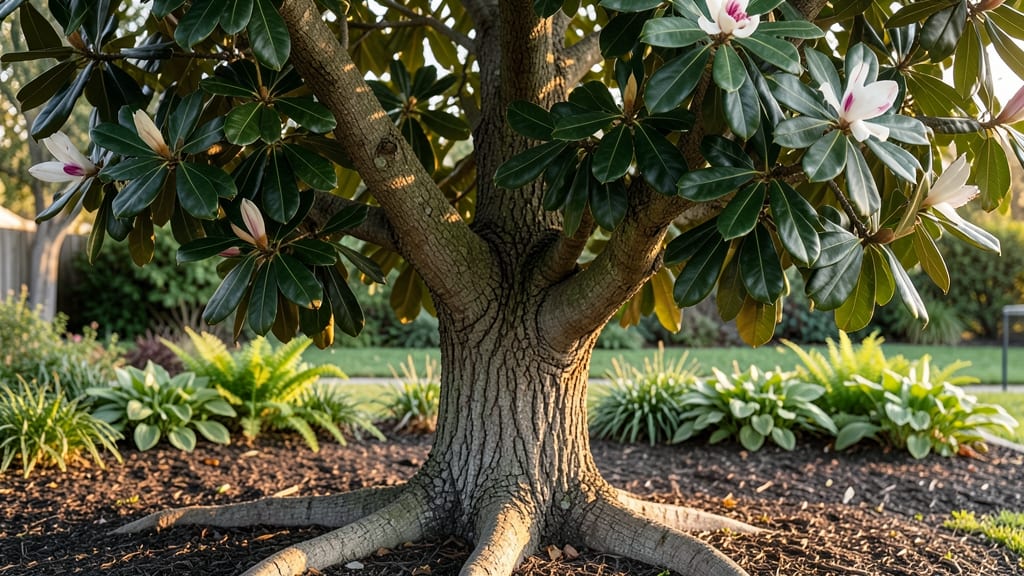
That southern magnolia tree bark tells a story—thick, textured, and rich with character, it’s the tree’s armor against pests and weather. 🌳 I’ve watched my own magnolia’s bark transform from smooth and grayish-brown to deeply ridged over the years, and each change signals what’s happening beneath the surface.
The key to keeping it healthy lies in pruning at the right time—late winter or early spring—when the tree’s dormant but pests are still quiet. Look for smooth, even bark; peeling or discolored patches mean trouble, often from sun scald, pests, or disease.
A sharp pruner and a little patience can make all the difference. By summer, your magnolia’s bark should stay firm and intact, with no signs of cracks or oozing sap. Mulching around the base helps retain moisture and protect it from extreme temperatures, while regular inspections catch problems early.
Think of it as a conversation with your tree—listen, and it’ll reward you with glossy leaves and fragrant blooms all season. This approach works for any mature magnolia, whether in a Southern garden or a cooler climate where the tree’s adaptability shines.
Let’s get those branches in shape for a healthier, happier tree.
📚 In This Guide
- What you need
- Instructions
- Tips and common mistakes
- Wrapping up and next steps
What you need
- ● Pruning shears: Bypass pruners (for small branches, ¼"–¾" diameter)
- ● Loppers: 1 pair (for medium branches, ¾"–2" diameter)
- ● Pruning saw: 1 (for thick branches, 2"+ diameter)
- ● Gloves: Heavy-duty, cut-resistant (to protect from thorns and rough bark)
- ● Ladder: Sturdy, extendable (if tree exceeds 8–10 feet)
- ● Disinfectant: 70% isopropyl alcohol or bleach solution (to sterilize tools)
- ○ Pruning sealant: Optional (for larger cuts, ½ cup)
- ● Trash bags: 2–3 (for debris cleanup)
- ● Sharpie marker: 1 (to label branches if needed)
- ● Safety goggles: Protect your eyes from debris
- ● Work boots: Closed-toe for stability
- ● Tree wound dressing: Only if using (controversial—skip if unsure!)
- ● Camera: Snap progress pics for your gardening journal 📸
Instructions for pruning Southern magnolia trees for healthy bark
Here’s how to keep your magnolia’s bark strong and vibrant through every season.
🌿 Step 1: Time Your Pruning for Bark Protection
Prune your southern magnolia in late winter or early spring, just as new growth begins. This timing ensures the tree isn’t stressed during dormancy or flowering season. Avoid pruning in fall—wounds won’t heal properly before winter’s chill, leaving bark vulnerable to disease. If you must prune in summer, do it after flowering to avoid cutting off next year’s blooms.
Watch for the first signs of bud swell—those tiny green bumps along the branches. That’s your cue to grab your tools. I like to schedule my pruning for a dry, overcast day when temperatures are above 50°F. Wet conditions can spread fungal spores, while hot sun stresses the tree.
✂️ Step 2: Use Sharp Tools to Prevent Bark Damage
Never use dull shears—they tear bark and create jagged wounds that invite rot. Instead, use clean, sharp pruning shears for cuts under ½ inch and a pruning saw for thicker branches. I disinfect my tools with 70% rubbing alcohol before and after each cut to prevent bacterial spread.
Make cuts just outside the branch collar—the swollen area where the branch meets the trunk. This ensures the tree seals the wound naturally. Avoid leaving stubs; they trap moisture and decay. If a branch is dead, it’ll snap easily when you bend it—remove it entirely at the collar.
☀️ Step 3: Focus on Airflow and Light for Bark Health
Thin out crowded branches to improve airflow, which reduces humidity around the bark and prevents fungal issues. Aim to remove no more than 25% of the tree’s foliage in one session—less stress means healthier bark. Start at the outer canopy and work inward, removing branches that cross or rub against others.
Look for branches growing straight up or down; these often weaken the tree. Instead, keep branches that angle outward. You’ll see the tree’s natural shape emerge as you prune—this isn’t about aesthetics, but about structural integrity. After pruning, step back and check for gaps where sunlight can reach the trunk; this encourages even bark growth.
🪴 Step 4: Seal and Monitor Pruning Wounds
For cuts larger than ½ inch, apply tree wound sealant to protect the exposed wood. I use a latex-based sealant for its flexibility—it won’t crack as the tree expands. Paint a thin layer over the cut, avoiding the branch collar. Let it dry completely before watering the tree.
Monitor the wounds for 2-3 weeks after pruning. Healthy bark will form a smooth, calloused layer over the cut. If you see oozing sap, dark streaks, or mushrooms growing from the wound, the tree may be infected. In that case, remove the affected branch further back to healthy wood and reapply sealant.
⏰ Step 5: Maintain Year-Round Bark Care
Water deeply once a week during dry spells to keep the bark hydrated but not soggy. Southern magnolias hate "wet feet," so ensure the root zone drains well. Mulch around the base with 2-3 inches of organic mulch, keeping it 6 inches away from the trunk to prevent rot.
Inspect the bark monthly for signs of scale insects, spider mites, or fungal spots. Wipe down the trunk with a soapy cloth if you spot pests. A healthy magnolia’s bark should be smooth and grayish-brown, with no cracks or peeling. If you notice peeling bark, it’s often harmless, but if it’s accompanied by oozing sap, prune the affected area immediately.
Tips & tricks for pruning Southern magnolia trees
Here's what I've learned from years of keeping magnolias thriving—and how to avoid the mistakes I made early on.
Timing is Everything: That late winter/early spring window is critical because the tree's sap is flowing just enough to heal wounds but not so active that it stresses the system. I once pruned in October and watched the bark develop fungal spots by December—don't make my mistake! The 50°F minimum temperature ensures the tree isn't shocked by cold while working. If you're in Zone 7 or warmer, you might extend this to very early spring when buds start swelling.
Tool Sharpness Saves Bark: I can't emphasize this enough—dull tools are the #1 cause of ragged cuts that invite disease. Test your shears by making a clean cut through a piece of paper; if it tears, sharpen them. For branches over ½ inch, a pruning saw with a fine-tooth blade prevents splintering. I keep a small bottle of rubbing alcohol in my tool bag for quick disinfection between cuts on different trees.
Branch Selection Strategy: When thinning the canopy, prioritize branches that are crossing, rubbing against others, or growing straight up/down. These create weak points where bark can split. I use the "third cut" method for larger branches: make your first cut about 6-12 inches out from the trunk, then the second cut just outside the branch collar, and finally remove the branch with a downward motion. This prevents tearing.
Post-Pruning Recovery: After sealing larger wounds, I've found that wrapping them with tree wound tape (available at garden centers) provides extra protection against sun scorch. For the first 2-3 weeks, avoid heavy watering directly over fresh cuts—let the sealant dry completely first. The tree will form its own callus within weeks, but giving it that initial protection makes all the difference in preventing infections.
Pro Tips for Southern Magnolia Tree Bark
- Here's what I've learned from years of keeping magnolias thriving—and how to avoid the mistakes I made early on.
- Timing is Everything: That late winter/early spring window is critical because the tree's sap is flowing just enough to heal wounds but not so active that it stresses the system.
- Tool Sharpness Saves Bark: I can't emphasize this enough—dull tools are the #1 cause of ragged cuts that invite disease.
Frequently asked questions
When is the best time to prune a Southern magnolia tree?
The ideal time to prune your Southern magnolia is late winter to early spring (February–March), just before new growth begins. This timing promotes healing and minimizes stress on the tree. Avoid pruning in fall or winter, as cold weather can slow recovery. For light maintenance, summer pruning is fine, but avoid heavy cuts during hot spells.
Can I prune Southern magnolia bark in summer?
Yes, but keep it minimal. Summer pruning is best for removing dead or diseased branches or shaping the tree. Heavy pruning in summer can stress the tree, especially in hot climates. If you must prune, do so early in the morning or late afternoon to reduce heat stress. Always sterilize tools to prevent infections.
What should I do if my magnolia’s bark looks damaged after pruning?
If the bark appears torn or exposed after pruning, don’t panic! Southern magnolias are resilient. Apply a thin layer of pruning sealant (like Tanglefoot Tree Wound Pruning Seal) to protect the wound, but only if the cut is larger than ½ inch. Keep the area clean and monitor for signs of disease. Most trees heal naturally within a year.
Is it safe to use the same pruners on Southern magnolia bark as other trees?
Yes, but sterilize them first! Southern magnolia bark can harbor fungal spores (like Phytophthora), so clean your tools with rubbing alcohol or a 10% bleach solution before and after use. Use sharp, bypass pruners for clean cuts—dull blades tear bark, inviting pests and disease.
What’s a good alternative if my magnolia’s bark is too thick to prune easily?
If the bark is too tough (common in mature trees), focus on structural pruning—removing deadwood, crossing branches, or water sprouts instead of heavy thinning. For stubborn branches, use a pruning saw with a fine-tooth blade to avoid splintering. If the tree is overgrown, consider gradual thinning over 2–3 years to reduce shock.
Wrapping up and next steps
Caring for your Southern magnolia tree bark doesn’t have to be daunting—with the right pruning techniques, you’ll keep it thriving year-round! 🌿 From understanding its unique growth patterns to mastering seasonal maintenance, these secrets ensure a healthy, stunning tree that stands the test of time. Now’s the perfect moment to roll up your sleeves and give your magnolia the love it deserves!
Ready to take action? Grab your pruners, review your notes, and schedule that first pruning session—your tree’s future beauty starts today! 🌳✨