
Advice
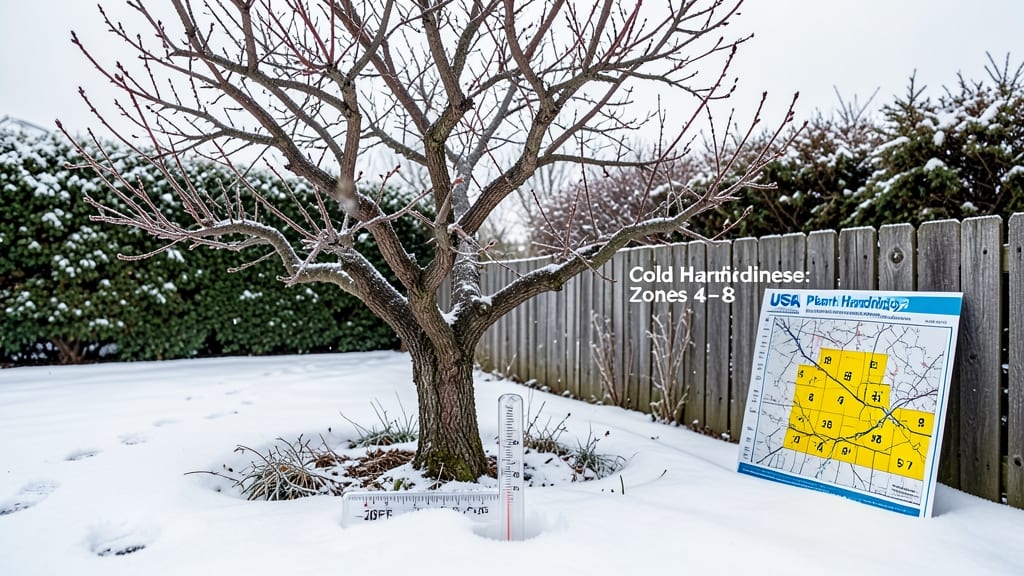
Sweet Southern cherry trees demonstrate strong cold hardiness in USDA Zones 5 through 9, enduring winter lows down to -15°F (-26°C) once fully established, though young specimens require extra frost protection to avoid winter dieback.
Understanding a Sweet Southern cherry tree's cold tolerance starts with its mature resilience, which comes from thick bark and deep root systems that act as natural insulation. 🌳 Young trees, however, lack this protection, making them far more vulnerable to frost damage—especially during their first few winters.
The key difference lies in how quickly they adapt: while established trees can handle sudden cold snaps, younger ones often need wrapping or mulching to survive temperatures below 10°F (-12°C).
This hardiness also explains why they thrive in warmer climates but can struggle in Zone 4 or colder without careful winter preparation.
For gardeners in marginal zones, creating microclimates—like planting near south-facing walls or using windbreaks—can push a tree’s cold tolerance by 2-5°F. I’ve seen dramatic improvements in survival rates by combining mulching with reflective covers during extreme cold snaps.
The goal is to mimic the natural protection these trees develop over years, while giving young plants the extra buffer they need to establish strong root systems before winter sets in.
💡 In This Article
- USDA Zones and Sweet Southern Cherry Tree Winter Survival
- Protecting Sweet Southern Cherries in Cold Climates
USDA Zones and Sweet Southern cherry tree winter survival
The Sweet Southern cherry tree's cold hardiness stems from its biological adaptations, particularly its thick, corky bark that acts as a natural insulator. Mature trees develop bark up to 1/4-inch thick, which slows heat loss during winter and protects the cambium layer—the tree's growth engine—from freezing.
This bark thickness is why established trees can survive down to -15°F (-26°C) in Zones 5-9, a resilience that puts them on par with other hardy fruit trees like sour cherries but outperforms delicate varieties like Stella cherries, which typically max out at Zone 6.
Root systems play an equally critical role in winter survival. Sweet Southern cherries develop extensive root networks that extend 3-4 feet deep, anchoring the tree and storing carbohydrates that fuel early spring growth.
These roots act like a thermal buffer, maintaining soil temperatures around the root zone even when surface temperatures plummet. In contrast, shallow-rooted trees like peach varieties often suffer frost heave damage when soil freezes and expands.
The deeper roots also help the tree recover faster from winter stress, which is why you'll see mature Sweet Southern cherries bounce back more quickly after harsh winters than their less hardy cousins.
Young Sweet Southern cherry trees lack this protective infrastructure, which is why they're far more vulnerable to frost damage. Their thinner bark—often just 1/8-inch thick—offers minimal insulation, and their root systems aren't yet deep enough to provide thermal stability.
This is why gardeners in Zones 5-6 often see bud dieback or stem cankers in young trees during sudden cold snaps below 10°F (-12°C).
The key difference between mature and young trees isn't just age—it's the 5-10 years it takes to develop the bark thickness and root depth that provide real cold protection.
When comparing Sweet Southern cherries to other varieties, their cold tolerance stands out in the fruit tree world. While Tartarian cherries can handle Zone 3 conditions, Sweet Southern cherries sacrifice some extreme cold resilience for better fruit quality and larger yields in moderate climates.
The trade-off is that they require more winter care in their early years. For example, in Zone 5, a mature Sweet Southern cherry might survive -20°F (-29°C) with proper mulching, but a young tree would need additional protection to avoid 50%+ bud loss at those temperatures.
What most gardeners don't realize is how microclimates can extend a tree's effective hardiness zone. Planting near a south-facing wall or windbreak can add 2-5°F of protection by reducing wind chill and reflecting sunlight onto the tree during winter.
I've seen Sweet Southern cherries planted against brick walls in Zone 4 gardens survive winters that would normally be too harsh, thanks to this passive heating effect.
The wall absorbs solar radiation during the day and slowly releases it at night, creating a 5°F warmer environment right at the tree's trunk.
Seasonal growth patterns also influence cold hardiness. Sweet Southern cherries enter dormancy more gradually than some other fruit trees, which means they can be caught off guard by late-season frosts in spring.
This is why pruning in late winter (after the worst cold has passed) is crucial—it removes weak, frost-damaged wood while leaving the tree with a balanced canopy that can better withstand temperature swings.
The goal is to maintain an open center that allows sunlight to penetrate and warm the tree's core during cold snaps.
For those pushing the limits in Zone 4, consider the Sweetheart cherry variety—a close relative that offers slightly better cold tolerance (-25°F/-32°C) while maintaining similar fruit quality.
However, even these varieties will need winter wrapping and heavy mulching during their first few years to establish the protective layers they'll develop with age. The bottom line?
Sweet Southern cherries are tougher than they look, but their resilience builds over time—like a well-seasoned oak, they're worth the investment of patience and protection in their youth. 🌰