
Pruning
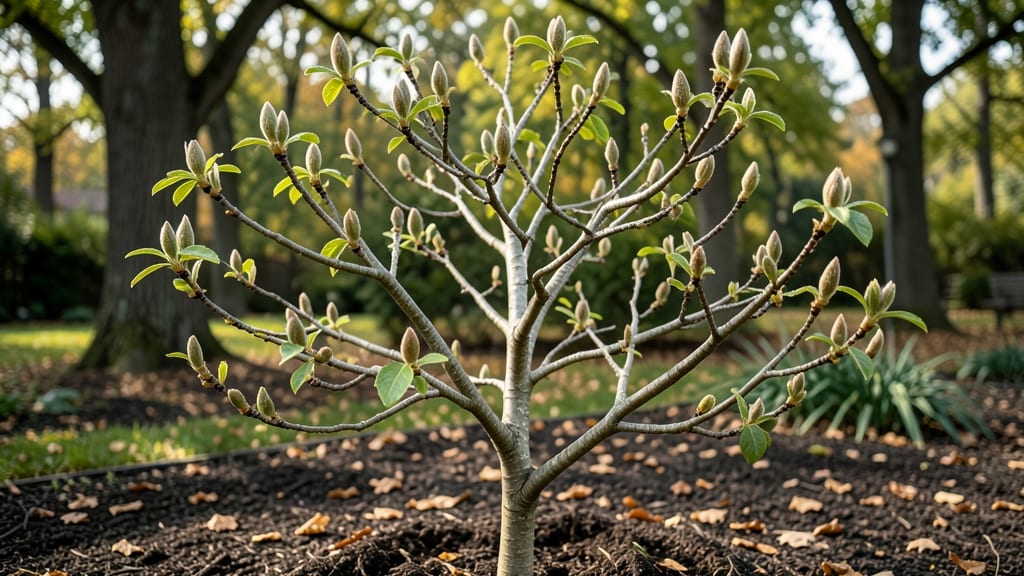
That first sign of bud blight on your Tree of Heaven could mean invasive spread if ignored. 🌳 The buds—small, green, and clustered—are where this aggressive tree puts its energy, and pruning them strategically stops its takeover before it starts.
Start by identifying healthy buds (plump, firm) from stressed ones (shriveled, brown). Use sharp pruners to cut just above a bud, making clean cuts at a 45-degree angle to prevent disease entry.
The key is timing: prune in late winter or early spring, when the tree is still dormant but before new growth begins. You’ll see fewer suckers popping up around your yard, and the tree’s energy will focus on what you want it to grow—not invasive roots or seed pods.
This method works best in regions where Tree of Heaven is classified as invasive, like the Mid-Atlantic and Midwest. For stubborn cases, repeat pruning twice a year—once in winter and again in summer. Just avoid heavy pruning in fall, or you’ll encourage more aggressive regrowth. Patience pays off here.
📚 In This Guide
- What you need
- Instructions
- Tips and common mistakes
- Wrapping up and next steps
What you need
- ● Pruning shears – Bypass pruners (sharp, 6-8" blades) for clean cuts on smaller branches.
- ● Loppers – Bypass or anvil type (18-24" handles) for thicker branches (1-2" diameter).
- ● Pruning saw – Curved-tooth saw for branches over 2" in diameter.
- ● Gloves – Heavy-duty, cut-resistant (e.g., leather or Kevlar) to protect against thorns and sap.
- ● Safety glasses – ANSI-rated to shield eyes from debris.
- ● Disposable pruning bags – 10-20 gallon capacity (x2-3) for collecting cuttings and preventing spread.
- ● Rubbing alcohol or bleach solution – 70% isopropyl alcohol or 1:9 bleach-water mix to sterilize tools between cuts.
- ● Ladder or extension pole – Sturdy, 12-16 ft (if trimming tall branches).
- ● Heavy-duty trash bags – 2-3 mil thickness for disposing of pruned material (double-bag for invasive species).
- ● Work boots or sturdy shoes – Closed-toe, slip-resistant for stability on uneven ground.
- ● Pole pruner – For high branches without a ladder.
- ○ Tree wound dressing – Optional (e.g., pruning sealant) for large cuts (controversial—skip if unsure!).
- ● Garden hose – To rinse tools and hands after pruning.
- ● Marking spray – Non-toxic paint to tag branches for future reference.
- ● First-aid kit – For minor scrapes or sap irritation.
How to prune tree of Heaven buds for controlled growth
Stop invasive spread by targeting new growth early—here's my battle-tested approach.
🌱 Step 1: Identify and Locate All Suckers and Buds
Start by scanning the entire tree and surrounding area for any new growth. Tree of heaven sends up aggressive suckers from roots and produces buds along existing branches. Look for green shoots emerging from the ground or small bumps on branches—these are your targets. I like to do this in late winter or early spring before buds swell, making them easier to spot against dormant wood.
Use a sharp pruning saw or loppers for larger stems and hand pruners for smaller shoots. Mark all suckers with flags if you can't remove them immediately—they'll spread quickly. This is the moment that matters: catching these early prevents a full-blown infestation.
✂️ Step 2: Remove Suckers at the Base
For ground-level suckers, cut at least 6 inches below ground to prevent regrowth. Sawing too close leaves living tissue that will sprout again. I use a hack saw or spade for stubborn root suckers, making sure to sever the connection completely. If you see multiple shoots in one spot, dig deeper to expose the root crown.
Don't skip this step—even small suckers will grow into 10-foot trees in a season. I know it seems tedious, but consistency here saves hours of cleanup later. After cutting, pile the debris in a sealed bag for disposal (never compost—this tree spreads easily).
☀️ Step 3: Prune Buds on Existing Branches
Examine branches for swollen buds (they'll look like small, rounded lumps). Use pruners to cut these off just above a leaf node where the bud meets the branch. This encourages the tree to put energy into existing foliage rather than new growth. For thick branches, make clean cuts at a 45-degree angle to prevent water pooling.
Watch for new buds forming within 2-3 weeks—this means you missed some. Repeat pruning as needed until you see no fresh buds. I've found that monthly checks in spring and summer keep the tree in check without overstressing it.
🪴 Step 4: Monitor and Maintain Year-Round
Tree of heaven grows relentlessly, so quarterly inspections are key. In fall, remove any late-season buds before they harden. Use a gloved hand to pull small shoots or pruners for thicker stems. I mark my calendar for March, June, September—these are the critical windows when growth surges.
If you notice yellowing leaves or dieback, it's a sign of stress from over-pruning. Adjust your approach—focus on one area at a time. Real talk: this tree fights back, but persistence pays off. After a full year of consistent pruning, you'll see a noticeable reduction in invasive spread.
Tips & tricks for strategic tree of Heaven bud pruning
Here's what I've learned from years of battling this relentless invader—these tricks make all the difference.
Timing is Everything: The late winter to early spring window isn't just ideal timing—it's your best weapon. This is when the tree's energy is still dormant, making it easier to spot new growth against bare branches. I've found that pruning after a light frost actually makes the buds more visible, as the contrast against the wood sharpens. Don't wait until buds swell—they'll harden and become much tougher to remove.
Root Crown Strategy: When dealing with stubborn root suckers in Step 2, think deeper than you might initially. If you see multiple shoots in one spot, it's often a sign of a larger root system you haven't exposed yet. I've had to dig down 8-10 inches in some cases to fully sever the connection. The key is patience—take your time to expose the entire root crown rather than making superficial cuts that will just encourage more regrowth.
Visual Cues for Success: In Step 3, when you're pruning buds, look for the small leaf nodes where the bud meets the branch. These are your target points for clean cuts. I've trained myself to spot these by running my fingers along the branch—you'll feel the slight bump where the leaf node is located. Making cuts just above these nodes redirects the tree's energy to existing foliage rather than new growth. For the 45-degree angle on thick branches, imagine you're cutting a slice of pie—this prevents water from pooling and causing rot.
Seasonal Maintenance: The quarterly inspections in Step 4 aren't just about pruning—they're about learning your tree's growth patterns. I've found that marking my calendar for March, June, and September creates a rhythm that becomes second nature. In fall, focus on any late-season buds that might have formed after your summer checks. These are often the most aggressive and need immediate attention before they harden for winter.
Pro Tips for Tree Of Heaven Bud
- Here's what I've learned from years of battling this relentless invader—these tricks make all the difference.
- Timing is Everything: The late winter to early spring window isn't just ideal timing—it's your best weapon.
- Root Crown Strategy: When dealing with stubborn root suckers in Step 2, think deeper than you might initially.
Frequently asked questions
When is the best time to prune Tree of Heaven buds?
The ideal time to prune Tree of Heaven (Ailanthus altissima) buds is late winter or early spring, just before new growth begins. This timing ensures you remove buds that would otherwise sprout into new shoots, helping control its invasive spread. Avoid pruning in fall—it can stimulate new growth before winter dormancy.
How do I tell if I’m pruning the right buds?
Tree of Heaven buds are plump, reddish-brown, and appear in clusters along branches. Look for terminal buds (at branch ends) and lateral buds (along stems). Prune these aggressively, but avoid cutting into the main trunk unless necessary. Use sharp pruners to make clean cuts just above a bud or branch collar.
Are there non-pruning alternatives to control Tree of Heaven?
Yes! If pruning feels overwhelming, consider these methods:
- Herbicide: Apply glyphosate or triclopyr to cut stumps or foliage (follow label instructions carefully).
- Smothering: Cover small trees with cardboard and mulch for 2+ years to block sunlight.
- Root barriers: Install deep barriers to prevent root suckers from spreading.
Combine methods for best results—pruning alone may not stop root regrowth.
Why does Tree of Heaven keep growing back after pruning?
This fast-growing tree is notorious for sprouting from roots or dormant buds. To minimize regrowth:
- Cut stumps low (within 2–3 inches of the ground) and treat with herbicide.
- Monitor for suckers (new shoots) and prune them immediately.
- Repeat pruning annually in early spring for 3+ years to exhaust root reserves.
Patience is key—consistency beats one-time cuts!
Can I prune Tree of Heaven in my yard without harming other plants?
Prune carefully to avoid damaging nearby plants:
- Use loppers or pruning saws for thicker branches, and hand pruners for smaller buds.
- Wear gloves—the tree’s sap can irritate skin.
- Dispose of cuttings in sealed bags (don’t compost—they can sprout!).
- If roots are near foundations or driveways, hire a pro to avoid utility lines.
Safety first: Check for power lines before climbing or using long tools!
Wrapping up and next steps
Pruning tree of heaven bud growth isn’t just about aesthetics—it’s a powerful way to control this aggressive invader before it takes over your landscape. By mastering strategic cuts, timing, and techniques, you’re not only shaping the tree but also protecting your property and local ecosystems. 🌱✂️
Ready to take action? Start by marking your calendar for late winter or early spring—the perfect window to prune—and gather your tools. Every cut you make is a step toward reclaiming your outdoor space with confidence. You’ve got this!
Next step: Grab your pruners and begin with the most critical branches—your future self (and neighbors) will thank you!