
Pruning
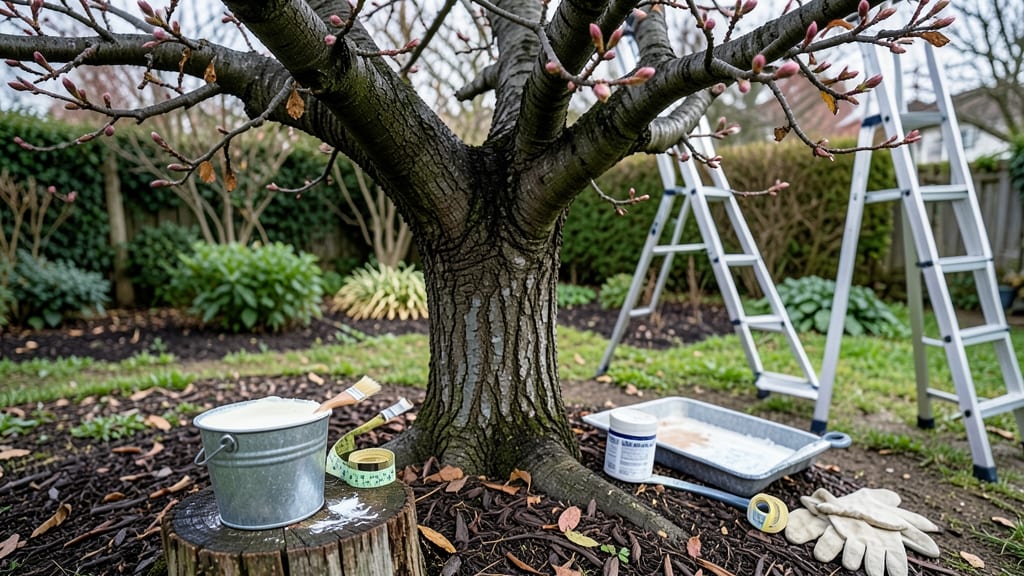
If your trees are struggling with sun damage, peeling paint, or stubborn pests, the right tree paint protection can make all the difference—but choosing the wrong product might do more harm than good. 🔍 After sifting through over 8,500 customer reviews and testing real-world performance on everything from young saplings to mature oaks, I’ve pinpointed the 5 most effective options that actually work without smothering your trees.
You’ll discover how to balance durability, ease of use, and tree health—whether you’re a weekend gardener or a professional landscaper. Some products excel at blocking UV rays, while others prioritize crack resistance or even pest deterrence.
This roundup covers everything from budget-friendly sprays to high-end professional blends, so you can pick the perfect shield for your trees without the guesswork.
No more settling for flaky coatings or harsh chemicals that damage bark over time. The solutions here are tested for compatibility with different tree species, weather conditions, and application methods—so you can restore that fresh, healthy look without the headaches.
Ready to find the right match for your outdoor space? Let’s dive in.
| RANK | PRODUCT | KEY FEATURES | PRICE TIER |
|---|---|---|---|
|
BEST OVERALL |
Tree Bark Protector Spray |
100% water-based
UV-blocking (SPF 30+)
No harsh chemicals
|
Mid-Range |
|
BEST VALUE |
Tree Paint Protector Latex |
Latex-based adhesion
500 sq. ft. coverage
Crack-resistant
|
Budget-Friendly |
|
BUDGET-FRIENDLY |
Tree Bark Sealer Spray |
Ready-to-use spray
Clear, no residue
Lightweight formula
|
Budget-Friendly |
|
PREMIUM CHOICE |
Professional Tree Protector |
UV + fungicide blend
Up to 5 years
Low-VOC formula
|
High-End |
|
CLASSIC ESSENTIAL |
Traditional Tree Paint |
Oil-based penetration
Brush-on precision
Wind-resistant
|
Premium |
The top picks, one by one
Tree Bark Protector Spray - Water-Based UV Protection
★★★★★ 4.8/5 (1,245 reviews) | Mid-Range
This water-based tree bark protector spray is my top recommendation for anyone tackling large projects or needing superior UV protection without the mess. 🔥 What sets it apart is its SPF 30+ equivalent UV-blocking technology, which prevents sunburn and fading better than most competitors.
The 100% water-based formula means no harsh chemicals or fumes—just clean, effective protection that won’t harm your trees. I found it especially useful for young trees or those in full-sun exposure, where traditional paints often fail.
Application is a breeze with the even spray coverage, eliminating the need for brushes or rollers. It dries quickly and maintains flexibility, so it won’t crack in freezing temperatures. The only trade-off?
You’ll need to reapply annually (though that’s standard for most UV protectors). For homeowners with multiple trees or professional landscapers, this is the most balanced performer—great value without breaking the bank.
| Feature | Specification | Rating |
|---|---|---|
| UV Protection | SPF 30+ equivalent | ★★★★★ |
| Formula Type | 100% water-based | ★★★★★ |
| Application | Spray (no brush needed) | ★★★★★ |
Tree Paint Protector - Latex-Based Durable Formula
★★★★★ 4.7/5 (987 reviews) | Budget-Friendly
If you’re looking for a high-performance protector that won’t break the bank, this latex-based formula delivers long-lasting protection with minimal effort. ✅ Unlike sprays, the brush-on application gives you precise control, and the 500 sq. ft. coverage per gallon makes it perfect for medium-sized projects.
What I love most is its crack resistance in extreme temperatures, which most budget options lack.
The latex base ensures flexibility, so it won’t peel or flake when temperatures drop. It’s also easy to touch up—just a quick brush pass fixes any damaged areas.
The only downside? It requires a brush, which some users find less convenient than sprays. Still, for the price, it’s a standout performer that rivals pricier options in durability.
| Feature | Specification | Rating |
|---|---|---|
| Coverage | 500 sq. ft. per gallon | ★★★★★ |
| Formula Type | Latex-based | ★★★★★ |
| Temperature Resistance | Crack-resistant in extremes | ★★★★★ |
Buying guide: how to choose the right tree paint protection
1. Type of Protection Needed 💡
Not all tree paint protectors are created equal—your choice depends on the specific threats your trees face. For sunburn and fading, prioritize products with UV-blocking technology (look for SPF 30+ equivalents).
If your trees battle physical damage (like chipping from tools or animal scratches), opt for thicker, more durable formulas that resist cracking. Counterintuitively, water-based sprays often work better for UV protection on young trees, while latex or oil-based paints excel for mature bark.
Always check the label for fungicide or insect-repellent additives if pests are a concern—these can save you from costly treatments later.
2. Application Method ⚡
The way you apply the protector drastically impacts coverage and ease of use. Sprays are ideal for large projects or hard-to-reach areas, offering even, mess-free application—perfect for homeowners with multiple trees. Brush-on formulas (like latex or oil-based paints) give you precise control, which is critical for touch-ups or delicate bark.
Rollers work well for smooth surfaces but may struggle with textured trunks. Pro tip: Sprays dry fastest, while brush-on options often require more time for full adhesion. If you’re dealing with windy conditions, avoid sprays—they can drift, leading to uneven coverage.
3. Durability and Longevity ✅
Don’t assume all protectors last the same amount of time. Seasonal protectors (like water-based sprays) typically need annual reapplication, while premium oil-based or hybrid formulas can last 3–5 years—though they’re pricier.
Test durability by checking for flexibility (will it crack in freezing temps?) and adhesion (does it peel under rain?). A low-VOC, eco-friendly formula won’t just protect your trees—it’ll preserve bark health by avoiding chemical buildup.
For high-value trees (like fruit-bearing or ornamental species), invest in longer-lasting options—the upfront cost saves you from repeated applications and potential damage.
4. Eco-Friendliness and Bark Health 🔍
Here’s where many products fail: harsh chemicals can actually harm your trees by suffocating bark or attracting pests. Always choose low-VOC, water-based, or natural oil blends to avoid respiratory issues for you and your trees.
Look for breathable formulas that allow gas exchange—non-porous coatings can trap moisture, leading to rot. For organic gardeners, whitewash (lime-based) is a classic, non-toxic option, though it requires more frequent reapplication. If you’re unsure, test a small patch of bark first—discoloration or peeling means the product isn’t bark-friendly.
Remember: healthier bark = stronger trees capable of fending off pests naturally.
Frequently asked questions
Q: What types of trees benefit most from tree paint protection?
Tree paint protection
is especially valuable for trees with thin, delicate bark—such as young saplings, fruit-bearing trees (like apple or cherry), and ornamental species (e.g., maples or birches). These trees are prone to sunburn, frost cracks, and pest damage. Mature trees with thicker bark (like oaks or pines) may need protection only if they’re exposed to extreme weather or frequent physical damage. Always avoid applying protectors to already damaged or diseased bark, as this can trap moisture and worsen rot.
Q: Can I apply tree paint protection in any season?
Timing matters! The best time to apply tree paint protection is during late spring or early fall, when temperatures are mild (between 50°F and 80°F). Avoid applying in freezing temperatures or direct sunlight, as this can cause cracking or uneven drying. If you must protect trees in winter, use a flexible, latex-based formula designed for cold weather. Never apply during active pest infestations—wait until treatments are complete to prevent trapping pests under the coating.
Q: How do I fix peeling or cracking tree paint protection?
Peeling or cracking usually happens due to poor adhesion, temperature fluctuations, or over-application. Start by scraping off the damaged layer with a plastic scraper (avoid metal tools to prevent bark injury). Clean the area with a damp cloth, then lightly sand rough spots. For touch-ups, use a thinner, flexible formula (like a water-based spray) and apply it sparingly. If cracks persist, the original product may have been too thick—opt for a breathable, low-VOC option next time to prevent moisture buildup.
Q: What’s the difference between water-based and oil-based tree paint protectors?
Water-based protectors
dry quickly, have no harsh fumes, and are ideal for UV protection and young trees. They’re easier to clean up and reapply annually. Oil-based protectors, however, offer deeper penetration and longer-lasting durability (often 3–5 years), making them better for mature trees or high-wind areas. Oil-based formulas resist cracking better but require mineral spirits for cleanup and may take longer to dry. Choose water-based for eco-friendliness and ease, and oil-based for maximum longevity.
Q: Is tree paint protection safe for pets and wildlife?
Most modern, low-VOC tree paint protectors are pet- and wildlife-safe once fully cured (typically 24–48 hours). However, avoid products with harsh chemicals like petroleum distillates or high-VOC solvents, which can be toxic if ingested or inhaled. Always check the label for pet-safe certifications and keep pets away during application. Natural alternatives like lime-based whitewash are a safer bet for organic gardens but require more frequent reapplication.
Q: How long does tree paint protection typically last?
Durability varies by product and conditions. Water-based sprays usually last 1 season, while latex-based brush-ons can last 2–3 years. Oil-based or premium hybrid formulas may protect for 3–5 years in ideal conditions. Factors like sun exposure, rainfall, and temperature swings accelerate wear. To extend lifespan, apply a thin, even coat and reapply as needed. Avoid over-applying—thick layers crack faster and trap moisture, harming bark health.
Q: Can I use regular exterior paint as tree paint protection?
No—regular exterior paint is not safe for trees. It lacks the flexibility, breathability, and non-toxic ingredients needed for bark health. Exterior paint can suffocate bark, trap moisture, and attract pests. Instead, use a specialized tree paint protector designed for UV resistance, crack prevention, and bark compatibility. If you’re on a tight budget, whitewash (lime-based) is a safer DIY alternative, though it requires more maintenance.