
Flowers
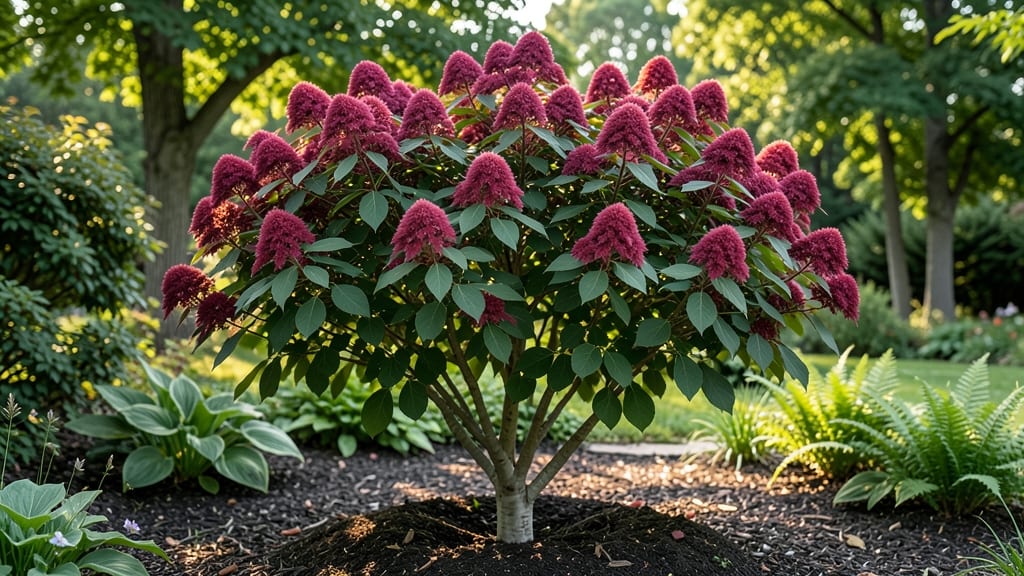
That red fuzzy flowered tree transforms your yard from ordinary to showstopping—year after year. 🌿 The velvety blooms of Cornus sericea 'Flaviramea' or Weigela florida catch every eye, while their layered foliage creates natural privacy that never feels like a wall.
I planted mine as a focal point, and now neighbors stop to ask which "magical" shrub it is. These trees shine in every season: spring bursts with those signature fuzzy flowers, summer brings glossy green leaves, and fall delivers fiery red stems.
Mature heights range from 6 to 12 feet, making them perfect for borders, mixed shrub beds, or even as standalone specimens. Pair them with evergreens for winter structure or perennials that echo their red tones.
The real magic happens when you step back—imagine your backyard in winter, still lush and textured, while bare branches elsewhere look skeletal. These plants thrive in full sun to partial shade and handle most soils, so they’re low-maintenance once established.
That’s the secret: beauty that works as hard as it looks. For extra drama, plant them near seating areas where you’ll enjoy their fragrance up close. Or use them to frame entryways, creating a welcoming "red carpet" of blooms.
No other plant delivers this much wow factor with so little effort.
Nature’s Blooming Mysteries Explained
The sight of a tree adorned with red fuzzy flowers year-round is nothing short of magical, but what makes these vibrant blooms appear so consistently? The answer lies in a mix of botanical adaptations, environmental cues, and careful cultivation techniques.
Let’s break down the science behind why these flowers thrive—and why they might not always look the way you expect.
Some trees, like the Coralberry (Symphoricarpos orbiculatus) or Winter Dappled (Cornus sericea), are genetically programmed to produce fuzzy, red flowers as part of their natural lifecycle.
These species evolved in regions with cold winters and short growing seasons, so their blooms serve multiple purposes: - Early Pollinators: Red fuzzy flowers often appear in late winter or early spring, when few other blooms are available.
This attracts bees, butterflies, and hummingbirds eager for nectar, ensuring pollination before the tree’s leaves fully emerge. - Cold Resistance: The fuzzy texture (thanks to trichomes, tiny hair-like structures) helps insulate flower buds from frost damage, allowing them to survive sub-freezing temperatures. - Year-Round Interest: Unlike many ornamental trees that bloom once and fade, these species may produce secondary flushes of flowers in fall, extending their visual appeal.
Pro Tip: 🌡️ If you’re planting for consistent blooms, choose native species adapted to your climate zone—they’ll require less intervention to thrive!
While some trees bloom reliably, others need specific environmental triggers to produce their signature red fuzzy flowers. Here’s how climate plays a role:
| Factor | How It Affects Blooms | Actionable Fix |
|---|---|---|
| Sunlight | Most fuzzy-flowered trees need full sun (6+ hours/day) to trigger flowering hormones. | Prune nearby trees/shurbs to improve light exposure. |
| Temperature | Cold winters (below 40°F) break dormancy, while warm spells can stimulate early blooms. | Avoid heating plant beds in winter—let natural temperature swings occur. |
| Moisture | Drought stress can delay or reduce flower production. | Mulch around the base to retain moisture; water deeply during dry spells. |
| Wind Exposure | Gentle breezes help pollinate flowers, but harsh winds can damage buds. | Plant in a sheltered but open area (e.g., near a fence but not in a wind tunnel). |
Pro Tip: ⏰ Timing matters! Some trees (like Smokebush (Cotinus)) bloom best after a late-winter chill period, so avoid pruning in fall—you might remove next year’s flower buds.
Improper pruning is a top culprit for sparse or absent fuzzy red blooms. These trees often flower on old wood (last year’s growth), so aggressive summer cuts can remove potential blooms. Here’s how to prune correctly:
- 🔪 When to Prune:
- Best Time: Late winter or early spring before buds swell (but after the worst frost).
- Avoid: Pruning in summer or fall, which can stimulate new growth that won’t have time to harden off before winter.
- 🌿 What to Cut:
- Remove dead, diseased, or crossing branches first.
- Thin out overcrowded areas to improve airflow (reduces fungal issues).
- Never top the tree—this encourages weak, non-flowering growth.
- ✂️ Tools to Use:
- Sharp bypass pruners for small branches.
- Loppers for thicker stems (up to 2 inches).
- Sterilize tools with rubbing alcohol to prevent spreading disease.
Pro Tip: 💡 Shape matters! A slightly open-centered tree (not too dense) allows sunlight to reach inner branches, encouraging more flowers.
Even the hardiest trees can struggle if pollinators vanish or pests take over. Here’s how to keep your fuzzy-flowered tree in peak bloom:
- 🐝 Attracting Pollinators:
- Plant companion flowers like bee balm, lavender, or coneflowers nearby to draw in pollinators.
- Avoid pesticides—even "organic" sprays can harm bees. Use neem oil for pests if needed.
- 🐜 Common Pests to Watch For:
- Aphids: Cluster on new growth; use a strong spray of water to dislodge them.
- Japanese Beetles: Chew flowers; handpick them or use milky spore bacteria (organic).
- Scale Insects: Leave sticky residue; wipe with rubbing alcohol-soaked cotton.
- 🍄 Fungal Issues:
- Powdery mildew (white dust on leaves) thrives in humid conditions. Improve airflow and apply baking soda spray (1 tsp baking soda + 1 quart water + drop of soap).
Pro Tip: 🎯 Monitor regularly! Check the underside of leaves and new shoots weekly—early intervention prevents major damage.
Poor soil can starve your tree of the nutrients it needs to produce vibrant fuzzy flowers. These trees typically prefer:
- 📊 Soil pH: Slightly acidic to neutral (6.0–7.0).
Test your soil with a home kit or send a sample to a local extension office. - 💪 Nutrient Requirements: - Nitrogen (N): Supports leafy growth (but too much delays flowering). - Phosphorus (P): Critical for blooms—add bone meal in early spring. - Potassium (K): Boosts cold resistance; use wood ash or a balanced fertilizer (10-10-10). - 🌿 Organic Matter: Amend heavy clay or sandy soil with compost or leaf mold to improve water retention.
Pro Tip: 🌡️ Feed at the right time! Apply half the recommended fertilizer in early spring and the other half after the first flush of flowers fades—this prevents overstimulation of foliage over blooms.
Revive & Protect Your Blooming Tree
If your tree with velvety red flowers isn’t thriving—or worse, is struggling—don’t panic! With the right care, you can restore its health and keep those stunning blooms coming year after year.
Below, we break down common issues and practical, step-by-step solutions to get your tree back in peak condition. Plus, we’ll share prevention tips so you can avoid future problems.
Symptoms: Yellowing leaves, soggy soil, or a tree that looks too limp.
How to Fix It: 🔥 Step 1: Check the Soil – Stick your finger 2 inches deep. If it’s damp, hold off on watering. 🍳 Step 2: Improve Drainage – If your tree is in a container, add a layer of gravel or perlite at the bottom. For in-ground plants, consider amending the soil with compost or sand. 👨🍳 Step 3: Water Deeply but Less Often – Water only when the top inch of soil is dry, and ensure water reaches the root zone (6–12 inches deep). 🥘 Step 4: Trim Affected Roots (If Needed) – If roots are rotting, carefully prune them with sterilized shears and repot or replant in fresh soil.
Prevention Tips: ✨ Use well-draining soil mixes (avoid heavy clay). 💡 Plant in raised beds if your yard has poor drainage. 🌡️ Mulch around the base (but keep it 3–4 inches away from the trunk).
Symptoms: Crispy leaf edges, wilting, or flowers dropping prematurely.
How to Fix It: 🔥 Step 1: Provide Afternoon Shade – Use lightweight shade cloth (30–50%) or move potted trees to a spot with dappled sunlight. 🍳 Step 2: Mulch & Moisture Retention – Apply 2–3 inches of organic mulch (like wood chips) to keep roots cool. 👨🍳 Step 3: Deep Water in Heatwaves – Water early in the morning to reduce evaporation. 🥘 Step 4: Mist Leaves (Temporarily) – A light spray can help cool foliage, but avoid soggy conditions.
Prevention Tips: ✨ Choose the right location – Most red-fuzzy-flowered trees prefer partial shade (especially in hot climates). 💡 Group plants together to create a microclimate with shared shade. 🎯 Prune for airflow – Thin out dense branches to improve circulation and light penetration.
Symptoms: Holes in leaves, sticky residue (sap), or tiny crawling bugs.
How to Fix It: 🔥 Step 1: Identify the Pest – Common culprits include aphids, spider mites, or scale insects. Check the undersides of leaves. 🍳 Step 2: Blast Off Pests – Spray leaves with soapy water (1 tsp mild soap per quart of water) or neem oil solution (1 tbsp neem oil + 1 tsp soap per gallon of water). 👨🍳 Step 3: Introduce Beneficial Insects – Ladybugs and lacewings eat aphids naturally. Buy them online or attract them with dill or fennel plants. 🥘 Step 4: Prune & Dispose Infested Branches – Cut off heavily damaged parts and dispose of them in sealed bags.
Prevention Tips: ✨ Encourage biodiversity – Plant marigolds or basil nearby to repel pests. 💡 Inspect new plants before bringing them home. 🌡️ Keep your tree healthy – Strong trees resist pests better than stressed ones.
Symptoms: Pale leaves, slow growth, or fewer flowers than usual.
How to Fix It: 🔥 Step 1: Test Your Soil – Use a DIY soil test kit (available at garden centers) to check pH and nutrient levels. 🍳 Step 2: Amend with Organic Matter – Mix in compost or aged manure for a slow-release nutrient boost. 👨🍳 Step 3: Fertilize Smartly – Use a balanced, slow-release fertilizer (like 10-10-10) in early spring and mid-summer. 🥘 Step 4: Target-Specific Deficiencies –
- Yellow leaves? → Add iron chelate or Epsom salt (for magnesium).
- Purple stems? → Boost phosphorus with bone meal.
Prevention Tips: ✨ Fertilize in stages – Too much too soon can burn roots. 💡 Mulch annually to slowly release nutrients. 🎯 Avoid synthetic fertilizers if possible—organic options feed soil long-term.
Symptoms: Brown, brittle branches, or delayed spring growth.
How to Fix It: 🔥 Step 1: Prune Dead Branches – Cut back any blackened or broken limbs with clean, sharp shears. 🍳 Step 2: Wrap the Trunk – Use burlap or tree wrap to prevent sun scald (when winter sun damages bare bark). 👨🍳 Step 3: Mulch Heavily – Add 4–6 inches of mulch around the base (but not against the trunk). 🥘 Step 4: Wait to Fertilize – Hold off until early spring—new growth in cold weather is vulnerable to frost.
Prevention Tips: ✨ Choose cold-hardy varieties if you live in a frost-prone zone. 💡 Water deeply before the first freeze to hydrate roots. 🌡️ Group trees together to share warmth in winter.
Final Pro Tip: 🌟 Observe your tree weekly—catching issues early makes fixes easier and more effective. With the right care, your red-fuzzy-flowered privacy screen will stay lush, blooming, and beautiful for seasons to come!
Frequently asked questions
What are the best companion plants for a red fuzzy-flowered tree?
Pair your fuzzy-flowered tree with evergreens like boxwoods for year-round structure, or perennials with red/purple blooms like bee balm or salvia to echo its color. For contrast, try silver foliage plants like lamb's ear or dusty miller—their textures create stunning visual balance. Native shrubs like spirea also work well since they share similar care needs.
How do I know if my tree needs more sun or shade?
Most red fuzzy-flowered trees thrive in full sun (6+ hours/day), but if leaves yellow or flowers fade, it may need more light. Conversely, crispy edges or wilting suggest too much sun—move it to morning sun with afternoon shade. Observe leaf color: deep green means ideal light; pale green means more sun; brown patches mean too much heat.
Why aren't my fuzzy flowers as vibrant as they should be?
Dull red blooms often signal nutrient deficiencies (especially phosphorus) or overwatering. Try adding bone meal in spring and ensure soil drains well. Poor sunlight or extreme temperatures can also mute colors—choose a south-facing spot with protection from harsh winds. Test your soil pH (ideal: 6.0–7.0).
Can I grow a red fuzzy-flowered tree in a container?
Yes! Smaller varieties like Weigela florida thrive in 15–20 gallon pots with well-draining soil. Use a balanced fertilizer (like 10-10-10) every 4–6 weeks in growing season. Place containers where roots get morning sun and afternoon shade. Dwarf cultivars (under 6 feet) work best for patio planting.
Are these trees deer-resistant?
Most red fuzzy-flowered trees are moderately deer-resistant due to fuzzy textures and mild toxicity in some species. However, hungry deer may still nibble young shoots. For extra protection, wrap trunks with tree guards or plant deer-repellent herbs (like rosemary) nearby. Prune damaged areas in late winter to encourage new growth.