
Pruning
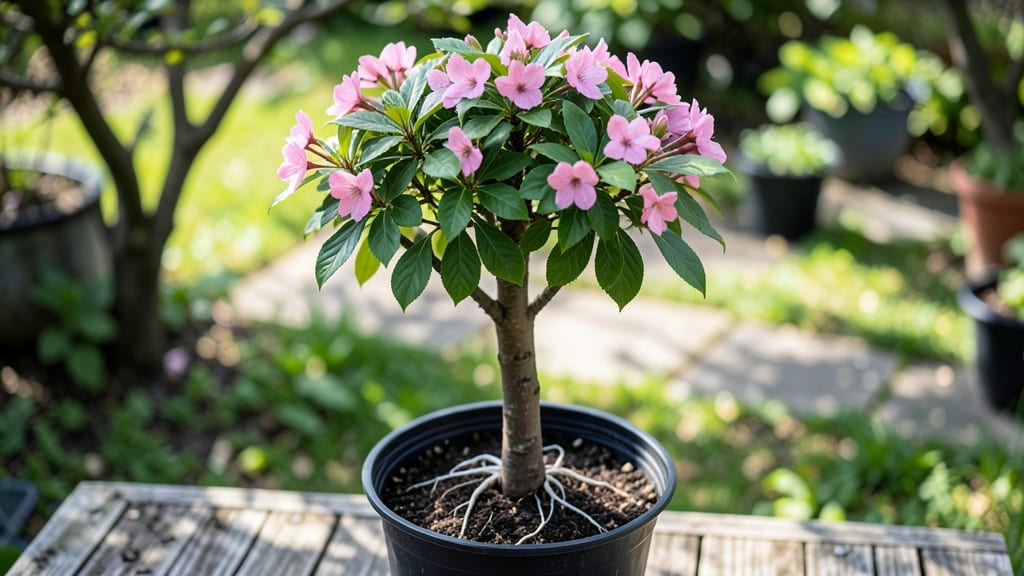
A 3-gallon tree's mature height varies dramatically by species, typically reaching full size in 3–10 years. Fast growers like hybrid poplars or willows can skyrocket to 20–30 feet, while slower varieties such as fruit trees or maples may only reach 15–25 feet over the same period.
A 3-gallon tree's growth trajectory hinges on its species and care conditions. 🌱 Fast growers like willows or Leyland cypress can add 3–5 feet per year in ideal conditions, while slower trees like Japanese maples may only gain 6–12 inches annually.
The 3-gallon container size means these young trees have limited root space initially, which can temporarily slow growth until they're transplanted into larger soil volumes. Proper spacing and soil prep at planting time make all the difference for maximizing their potential height gains.
For homeowners looking for quick results, fast-growing varieties offer the fastest privacy or shade solutions.
However, their rapid growth often comes with trade-offs like shorter lifespans or more aggressive root systems. 🌳 Always check your local climate zone compatibility and soil type when selecting a species, as these factors can significantly impact how quickly a 3-gallon tree reaches its mature height predictions.
💡 In This Article
- How Growth Rate Varies by Tree Species
- Best Fast-Growing Trees for Immediate Privacy or Shade
How growth rate varies by tree species
The growth rate of a 3-gallon tree depends heavily on its species' genetic makeup and root system development. Fast growers like hybrid poplars or willows have evolved to maximize photosynthesis and water uptake, allowing them to add 3–5 feet per year in ideal conditions.
Their fibrous root systems spread aggressively, creating a larger nutrient-gathering network that fuels rapid vertical growth. 🌿 These species often prioritize height over canopy width, which is why they reach impressive heights so quickly.
Slower growers, such as fruit trees or maples, invest more energy into developing dense wood and complex root structures. A Japanese maple, for example, might only gain 6–12 inches annually because its energy goes toward strengthening branches and creating intricate leaf patterns.
The 3-gallon container further limits their early growth by restricting root expansion, which can delay maturity by 1–2 years compared to field-grown trees of the same age.
Climate plays a critical role too. Trees in USDA Zone 7 or warmer often grow 20–30% faster than those in colder zones because longer growing seasons allow more active photosynthesis.
For instance, a Leyland cypress in Florida might reach 15 feet in 5 years, while the same species in Minnesota could take 7–8 years to reach that height due to shorter summers and winter dormancy periods.
Container size also affects growth patterns. A 3-gallon pot provides only about 0.01 cubic feet of soil, forcing roots to grow in tight circles until transplanted. This root binding can stunt height gains by 15–25% until the tree is moved to larger soil volumes.
Proper transplanting techniques—like loosening the root ball and amending soil with compost—can help mitigate this effect and accelerate height development once established.
What most people don't realize is how soil composition influences growth rates. Fast growers thrive in well-draining, nutrient-rich soils with 6.0–7.0 pH levels, while slower species often prefer slightly acidic conditions.
For example, a silver maple planted in alkaline soil might grow 30% slower than one in its preferred acidic environment. Testing your soil before planting can help you choose the right amendments to optimize growth potential.
Consider these key factors when selecting a species:
- Annual height gain: Fast growers (3–5 ft/year) vs. slow growers (6–12 in/year)
- Root system: Fibrous (fast) vs. deep taproot (slow)
- Climate zone: Warmer zones accelerate growth by 20–30%
- Container constraints: 3-gallon pots delay maturity by 1–2 years
- Soil pH: Optimal ranges vary by species (6.0–7.0 for most fast growers)
The science behind these variations lies in how each species allocates its energy between growth and survival. Fast growers prioritize height to compete for sunlight, while slower varieties focus on structural integrity and longevity.
Understanding these differences helps you make informed choices based on your specific needs—whether you're aiming for quick privacy or long-term landscape investment. 🌳