
Pruning
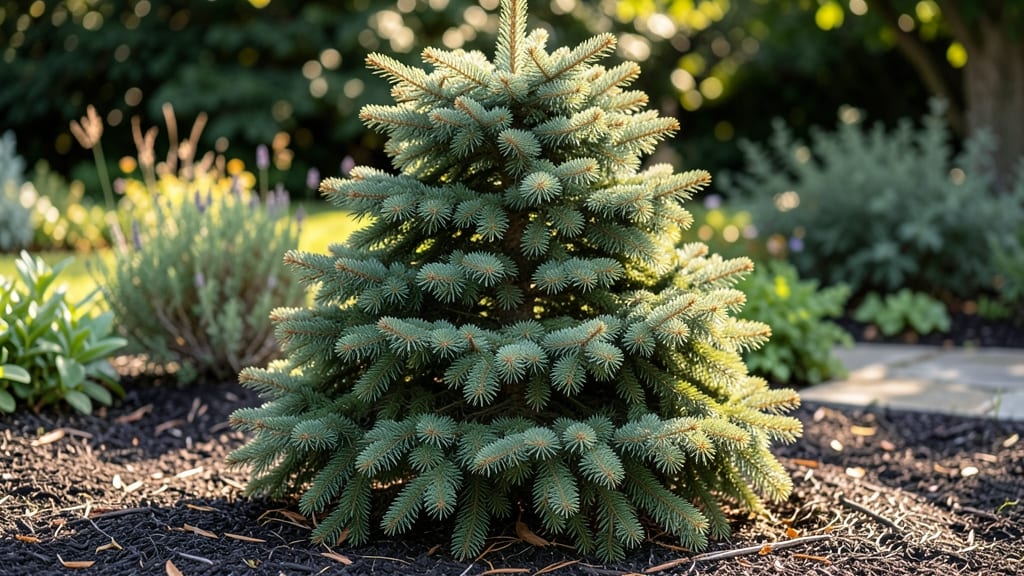
The tree care for an arbor vitae’s dense, disease-resistant foliage starts with the right trimming schedule—because when you skip it, those sharp needles turn into a messy, leggy mess. ✂️ I’ve learned the hard way that timing matters: prune too late, and you stunt next year’s growth; too early, and you risk frost damage.
The key is working with the tree’s natural rhythm, not against it.
You’ll need just three things: sharp bypass pruners (dull shears tear bark), a ladder (or sturdy stool for smaller trees), and a clear day—wind makes precision cuts impossible. Focus on shaping in late winter or early spring, when the tree’s dormant but about to burst with new growth.
Remove no more than 25% of the foliage at once, or you’ll shock the tree into stress.
By summer’s end, you’ll see the difference: fuller branches, fewer brown patches, and that classic arbor vitae density that keeps pests at bay. The best part? Proper trimming means fewer diseases and stronger wood over time—my trees now handle winter winds without a single snapped branch.
It’s the one maintenance task that pays off in every season.
Works for both newly planted trees and established giants, though younger trees need less aggressive shaping. Here’s how to do it right the first time—no guesswork, just results.
📚 In This Guide
- What you need
- Instructions
- Tips and common mistakes
- Wrapping up and next steps
What you need
- ● Pruning shears: Bypass pruners (sharp, 6-8" blades) for small branches (¼"–¾" diameter). Pro tip: 💡 Sterilize blades with rubbing alcohol between cuts to prevent disease spread!
- ● Loppers: 1 pair (8-10" blades) for medium branches (¾"–2" diameter). Look for ratcheting models for extra leverage.
- ● Pruning saw: 1 handheld saw (8-10" curved blade) for thick branches (2"+ diameter). Pro tip: 🔥 Use a bow saw for cleaner cuts on larger limbs!
- ● Ladder: Extendable aluminum ladder (16-20 ft) with non-slip feet for tall trees. Safety first: 🎯 Always have a spotter or secure the ladder to the tree!
- ● Gloves: Heavy-duty leather or nitrile-coated gloves (waterproof) to protect hands from sap and thorns.
- ● Disposable pruning bags: 1-2 bags (10-20 gallon capacity) to collect clippings and debris.
- ● Rake: 1 leaf rake (12-18" tines) for clearing fallen needles and debris post-pruning.
- ○ Tree wound dressing: Optional but helpful: Pruning sealant (like Tanglefoot Tree Wound Pruning Seal) for cuts larger than ½".
- ● Pole saw: Extendable saw (10-15 ft) for high branches without climbing.
- ● Hose & nozzle: For rinsing sap off tools and hands post-pruning.
- ● Work vest: With pockets to organize small tools and gloves.
- ● Safety gear: Goggles (to shield eyes from debris) and ear protection (if using a chainsaw for very thick branches).
- ● Tree growth regulator: Like Bonide Fungicide or copper-based spray for disease prevention (apply in spring).
- ● Check local pruning regulations—some areas restrict tree trimming without permits.
- ● Schedule pruning on a dry, overcast day to minimize stress on the tree.
- ● Have a clear workspace: Remove lawn furniture, toys, or pets from the area.
- ● Know your tree’s growth habits: Arbor vitae trees are dense—avoid over-pruning to maintain their natural shape!
Step-by-step arbor vitae tree care: year-round trimming for healthy growth
This is how I keep my arbor vitae thriving—dense, disease-resistant, and looking its best all year.
🌿 Step 1: Assess the Tree’s Structure and Health
Start by walking around the arbor vitae and visually inspecting the entire canopy. Look for areas where branches are crossing or rubbing against each other—these are prime spots for future damage. I also check for dead, diseased, or broken branches, which should be removed immediately to prevent the spread of pests or disease.
Run your hand along the branches to feel for any unusual textures or signs of infestation, like sawdust-like frass (a sign of boring insects) or sticky sap (a sign of aphids). Healthy arbor vitae branches should feel firm and green, not brittle or discolored. If you spot any yellowing or browning needles, note those areas—they’ll need special attention during pruning.
✂️ Step 2: Prune for Shape and Airflow in Late Winter
The best time to prune arbor vitae is in late winter or early spring, just before new growth begins. This timing helps the tree heal quickly and avoids stressing it during dormancy. Start by removing any dead, diseased, or crossing branches first—these are the easiest to spot and should always come out first.
Next, shape the tree by thinning out the interior branches to improve airflow. Arbor vitae can get quite dense, and poor airflow leads to fungal issues. I aim to remove about 10-20% of the total foliage in one session—never more, as this can shock the tree. Use clean, sharp pruning shears to make cuts just outside the branch collar (the swollen area where the branch meets the trunk).
☀️ Step 3: Light Maintenance Pruning in Summer
During the growing season, do a quick check every 4-6 weeks to remove any new growth that looks weak, leggy, or out of place. Arbor vitae can grow fast, and unchecked branches can spoil the tree’s natural shape. Focus on the outer edges of the canopy to encourage a fuller, bushier appearance.
If you notice any branches growing toward the center of the tree, trim them back to redirect energy outward. Avoid heavy pruning in summer—just light touch-ups to keep the tree looking neat. Water the base of the tree after pruning to help it recover, especially if you’ve trimmed more than a few branches.
🪴 Step 4: Fall Cleanup and Winter Protection
In fall, do a final pruning session to remove any branches that grew out of control during the summer. This is also the time to clean up any fallen needles or debris around the base of the tree—this prevents pests and diseases from overwintering in the soil.
If you live in a region with harsh winters, consider wrapping the trunk with tree guard or burlap to protect it from frost cracks and rodent damage. Arbor vitae is generally cold-hardy, but young trees or those in exposed areas benefit from a little extra protection. Mulch around the base with 2-3 inches of organic mulch (like shredded bark) to insulate the roots.
⏰ Step 5: Monitor and Adjust Year-Round
Even when you’re not actively pruning, keep an eye on your arbor vitae. Check for signs of stress like needle drop, discoloration, or unusual growth patterns. If you notice any issues, address them early—arbor vitae is tough, but it’s not invincible.
Adjust your pruning approach based on what you observe. For example, if the tree starts to lean one way, prune more branches on that side to encourage upright growth. The goal is to keep it looking natural and healthy without overdoing it. A little attention goes a long way with arbor vitae!
Tips & tricks for perfect arbor vitae pruning
These simple tricks will help you maintain your arbor vitae's health and beauty without overdoing it.
Seasonal Timing Matters: Late winter or early spring is ideal for major pruning because the tree is dormant but about to wake up. This timing allows wounds to heal quickly before the growing season begins. I've learned the hard way that pruning too late in spring can stress the tree when it's already putting energy into new growth.
Tool Selection is Critical: Use clean, sharp pruning shears for all cuts—dull tools crush branches and create larger wounds that take longer to heal. For thicker branches (over ½ inch), switch to loppers or a pruning saw. Always disinfect your tools with rubbing alcohol between cuts to prevent spreading disease from branch to branch.
Proper Cutting Technique: When removing branches, make clean cuts just outside the branch collar—the swollen area where the branch meets the trunk. Avoid leaving stubs, which can trap moisture and lead to rot. For larger branches, make a second cut slightly deeper to prevent tearing the bark. This technique promotes faster healing and keeps your arbor vitae looking its best.
Post-Pruning Care: After any significant pruning, water the base of the tree thoroughly to help it recover. In summer, focus on light maintenance pruning every 4-6 weeks to keep the tree looking neat without causing stress. The key is to never remove more than 20% of the foliage in any one session—this prevents shock and maintains the tree's natural density.
Pro Tips for Arbor Vitae Tree Care
- These simple tricks will help you maintain your arbor vitae's health and beauty without overdoing it.
- Seasonal Timing Matters: Late winter or early spring is ideal for major pruning because the tree is dormant but about to wake up.
- Tool Selection is Critical: Use clean, sharp pruning shears for all cuts—dull tools crush branches and create larger wounds that take longer to heal.
Frequently asked questions
Got questions about keeping your arbor vitae thriving? Here are some of the most common concerns—and their straightforward solutions!
When is the best time to trim arbor vitae trees?
For healthy growth, trim your arbor vitae in late winter or early spring (before new growth starts). Avoid heavy pruning in late summer or fall, as this can stress the tree. Light shaping can be done anytime, but never trim more than 25% of the foliage at once to prevent damage.
How do I prune arbor vitae without harming the tree?
Use clean, sharp pruners to make clean cuts just above a healthy bud or branch collar. Avoid topping (cutting the top flat) or over-pruning—this can lead to dead branches. Focus on removing dead, diseased, or crossing branches first. Pro tip: Sterilize tools with rubbing alcohol between cuts to prevent disease spread!
Why are my arbor vitae branches turning brown?
Brown branches are often a sign of bagworms, spider mites, or winter burn. Check for webbing or tiny pests first. If no pests are found, the issue may be environmental stress (drought, wind, or salt exposure). Prune affected branches in late winter, and water deeply during dry spells to revive the tree.
Can I grow arbor vitae in containers or small yards?
Yes! Dwarf varieties like ‘Emerald Green’ or ‘Compacta’ thrive in containers or tight spaces. Use a well-draining potting mix and a pot at least 18 inches wide. Prune regularly to maintain shape, and repot every 2–3 years. Note: Container-grown trees need more frequent watering than in-ground plants.
Do arbor vitae trees need winter protection?
Young or newly planted arbor vitae may benefit from burlap wraps or anti-desiccant sprays in harsh winters (below 10°F). Avoid wrapping mature trees tightly—this can trap moisture and cause rot. Mulch the base with 2–3 inches of organic mulch (like pine straw) to insulate roots.
Wrapping up and next steps
Caring for your arbor vitae doesn’t have to be intimidating—just consistent! With the right tools, seasonal trimming, and a watchful eye for pests or disease, your tree will thrive year-round, offering lush, vibrant foliage and a sturdy structure. 🌿
Ready to take the next step? Schedule a regular check-in every few months to assess growth, prune strategically, and keep your arbor vitae healthy. Whether you’re a seasoned gardener or a beginner, your dedication will pay off with a beautiful, resilient tree for years to come!