
Trees
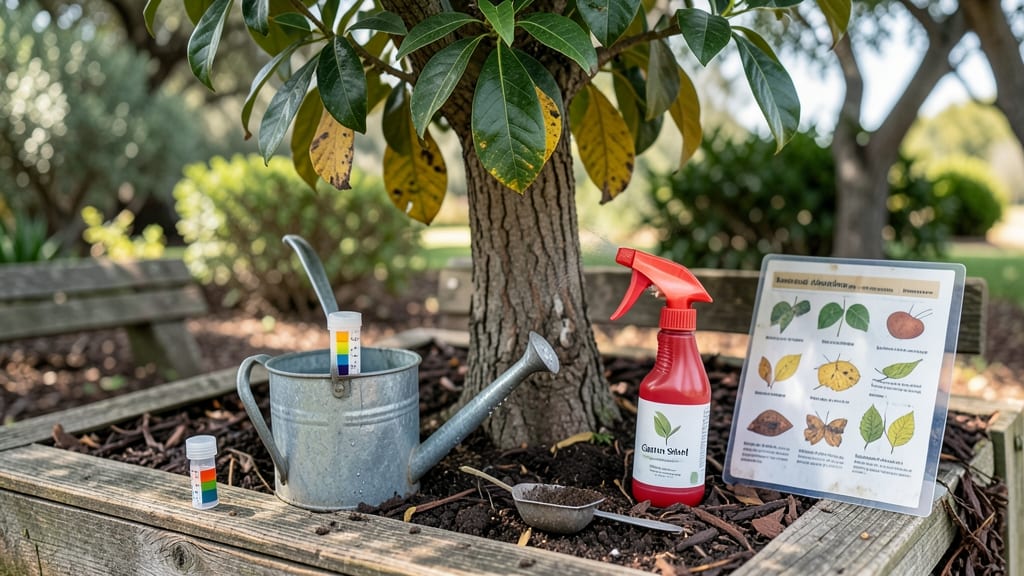
Your avocado tree’s leaves turning yellow could mean one of three common problems—and fixing them early saves your plant. 🌿 I’ve seen this happen with overwatering, nutrient deficiencies, and even hidden pests, and each one needs a different solution to bring back that deep green growth.
Start by checking the soil: if it’s soggy, you’re likely overwatering (the #1 cause of yellow leaves). Next, inspect the undersides of leaves for spider mites or brown spots that signal fungal issues. Finally, look at the plant’s overall health—drooping branches or stunted growth often point to nutrient deficiencies.
With the right fix, your tree can bounce back in just a few weeks. Adjusting your watering schedule alone can stop new yellowing within days, while a balanced fertilizer or targeted pest treatment gets results in about a month. The key is acting fast before the problem spreads.
Once you’ve diagnosed the issue, the solution is straightforward: cut back on water, feed the soil, or treat pests directly. Preventative care—like mulching and regular inspections—keeps your avocado tree thriving year-round, so you’re always harvesting those creamy, rich fruits.
Root Causes Behind Yellowing Leaves
Avocado trees are prized for their lush, vibrant foliage—but when those leaves start turning yellow, it’s a clear signal that something’s amiss. Understanding the why behind this discoloration is the first step to restoring your tree’s health.
Below, we break down the most common culprits, explained in clear, actionable terms so you can diagnose and address the issue effectively.
Yellowing leaves on an avocado tree are often a red flag for root stress, and overwatering is one of the most common culprits.
Avocado trees (Persea americana) are native to regions with distinct wet and dry seasons, meaning they prefer well-drained soil and moderate moisture—not soggy roots.
Why it happens:
- Waterlogged roots cut off oxygen supply, suffocating the root system and triggering nutrient deficiencies.
- Excessive humidity around the roots (from poor drainage or mulch piled too high) encourages fungal growth, like Phytophthora, which attacks roots and disrupts nutrient uptake.
- Salt buildup in the soil (common in tap water or clay-heavy soils) further stresses the tree, causing yellowing between the veins (a symptom called chlorosis).
Actionable signs to watch for:
- Leaves yellow starting at the bottom of the tree.
- Soil smells musty or sour when damp.
- Roots appear mushy or black when inspected (a sign of rot).
Pro tip: 💡 Use the "finger test"—stick your finger 2 inches into the soil. If it’s damp after 24 hours, you’re overwatering. Avocados thrive with 1–2 deep waterings per week (more in extreme heat), but always ensure excess water drains away within 30 minutes.
Yellowing leaves can also signal that your avocado tree isn’t getting the right nutrients. Unlike some plants, avocados are heavy feeders and require a balanced diet to maintain their signature dark green leaves. Deficiencies in nitrogen, iron, or magnesium are the most likely suspects.
Why it happens:
- Nitrogen deficiency (most common) causes general yellowing across the entire leaf, starting with older leaves. Nitrogen is crucial for chlorophyll production, so without it, leaves can’t photosynthesize efficiently.
- Iron deficiency (often in alkaline soils) leads to interveinal chlorosis—yellowing between the veins while the veins stay green. Avocados need chelated iron (a form they can absorb easily) to thrive.
- Magnesium deficiency (common in sandy soils) causes yellow patches or streaks on older leaves, as magnesium is vital for chlorophyll stability.
Actionable signs to watch for:
- Nitrogen: Uniform yellowing from bottom to top.
- Iron: Yellow leaves with green veins (like a spiderweb).
- Magnesium: Yellow edges or blotches on older leaves.
Pro tip: 🌡️ Test your soil’s pH—avocados prefer slightly acidic to neutral (6.0–7.0). If your soil is alkaline (pH >7.0), amend it with sulfur or peat moss and apply iron chelate every 3–6 months. For nitrogen, use a balanced fertilizer (e.g., 6-6-6 or 10-10-10) in early spring and summer.
Pathogens like fungi and bacteria can wreak havoc on avocado trees, causing yellowing leaves as they disrupt the tree’s ability to absorb water and nutrients. Root rot, anthracnose, and bacterial leaf spot are particularly troublesome.
Why it happens:
- Root rot (often caused by Phytophthora or Fusarium) thrives in wet, poorly drained soil. It blocks water and nutrient uptake, leading to yellowing and wilting, even if the soil is moist.
- Anthracnose (Colletotrichum fungus) causes yellow spots with dark borders on leaves, often in humid conditions. It spreads quickly, defoliating the tree if untreated.
- Bacterial leaf spot (Xanthomonas or Pseudomonas) creates water-soaked yellow or brown spots with a greasy texture. It’s common in overhead-watered trees.
Actionable signs to watch for:
- Root rot: Yellowing + mushy stems or sudden wilting.
- Anthracnose: Spots with dark edges + premature leaf drop.
- Bacterial spot: Greasy yellow/brown spots that ooze when pressed.
Pro tip: ✨ Prevent fungal spread by:
- Avoiding overhead watering (use drip irrigation).
- Pruning infected leaves with sterilized tools (soak in 1:10 bleach-water for 10 mins).
- Applying copper fungicide (for bacterial issues) or neem oil (for fungal control) every 2–4 weeks during wet seasons.
Key takeaway: Yellowing leaves are your tree’s way of saying, “Something’s off—help me!” By identifying whether the issue stems from water stress, nutrients, or pathogens, you can target the fix and bring your avocado back to its vibrant best.
Next, we’ll dive into how to diagnose these causes step by step.
Fix Yellowing Leaves Fast
Yellowing leaves on your avocado tree can be frustrating, but the good news is that most issues are fixable with targeted care. Below, we’ve broken down practical solutions for each common cause—plus prevention tips to keep your tree thriving. Let’s get your avocado tree back to its vibrant green self!
Fix: Adjust your watering routine and improve soil conditions.
- 🔥 Let the Soil Dry Out
- Avocado trees hate soggy roots. Stick your finger 2–3 inches into the soil—if it’s damp, wait before watering again.
- Water deeply but infrequently (every 7–10 days in warm weather, less in winter).
- 🍳 Improve Drainage
- If your pot lacks drainage holes, repot your tree into one with holes or add a layer of gravel at the bottom.
- For in-ground trees, amend the soil with perlite, sand, or compost to loosen it up.
- 👨🍳 Check for Root Rot
- If the roots smell foul or look mushy, trim the affected roots and replant in fresh, well-draining soil.
- Apply fungicide (like copper-based or neem oil) to prevent further rot.
💡 Prevention Tip:
- Water in the morning so excess moisture evaporates by evening.
- Avoid mulch piles near the trunk—keep it 2–3 inches away to prevent moisture buildup.
Fix: Hydrate properly and protect your tree from extreme conditions.
- 🥘 Water Deeply and Consistently
- Avocado trees need 1–2 gallons of water per week (more in heatwaves).
- Use a soaker hose or drip irrigation to deliver water slowly at the base (avoid wetting leaves to prevent sunburn).
- 🌡️ Provide Shade in Hot Climates
- If your tree is in a hot, dry area, provide afternoon shade (use shade cloth or move potted trees indoors temporarily).
- Mist leaves lightly in extreme heat (but avoid soggy conditions).
- ✨ Boost Humidity (For Potted Trees)
- Place a pebble tray with water under the pot or use a humidifier nearby.
💡 Prevention Tip:
- Mulch around the base (but not touching the trunk) to retain moisture.
- Group potted trees together to create a microclimate with higher humidity.
Fix: Feed your tree the right nutrients and adjust soil pH if needed.
- 📊 Test Your Soil
- Use a soil test kit (available at garden centers) to check for nitrogen (N), iron (Fe), or magnesium (Mg) deficiencies.
- Yellowing between veins? Likely iron deficiency. Yellowing with brown spots? Could be magnesium.
- 💪 Fertilize Correctly
- For nitrogen: Use a balanced fertilizer (10-10-10) or fish emulsion every 4–6 weeks in growing season.
- For iron/magnesium: Apply chelated iron or Epsom salt (magnesium sulfate)—mix 1 tbsp per gallon of water and water the soil.
- 🌱 Adjust Soil pH (If Needed)
- Avocados prefer slightly acidic to neutral soil (pH 6.0–7.0).
- If soil is too alkaline (pH >7.5), add sulfur or peat moss to lower pH.
💡 Prevention Tip:
- Fertilize in spring and summer—avoid winter feeding.
- Use organic matter (compost, worm castings) to improve soil long-term.
Fix: Identify the culprit and treat it before it spreads.
- 🔪 Inspect for Pests
- Spider mites? Wipe leaves with neem oil or spray with insecticidal soap.
- Scale insects? Scrape off with a soft brush and treat with horticultural oil.
- Fungal issues (like root rot or leaf spot)? Prune infected leaves and apply copper fungicide.
- 🌿 Prune for Airflow
- Remove crowded or dead branches to improve airflow and reduce humidity (which pests love).
- 🎯 Quarantine If Needed
- If pests are severe, isolate the tree until treated.
💡 Prevention Tip:
- Spray neem oil preventatively every 2–3 months to deter pests.
- Keep your tree healthy—stressed trees attract pests!
Final Thought: Most yellowing leaves are a sign your avocado tree is asking for help—whether it’s water, food, or a cozy spot. Act fast, but don’t overreact—many fixes are simple once you know the root cause! 🌿💚
Frequently asked questions
Why are my avocado tree's youngest leaves turning yellow first?
This is often a sign of over-fertilization or salt buildup in the soil. Young leaves are more sensitive to excess salts and nutrients, which can block water uptake. Try flushing the soil with 6 inches of water to leach out excess salts, then reduce fertilizer to half-strength for 4-6 weeks.
Can yellow leaves on my avocado tree spread to other plants?
Only if the yellowing is caused by contagious pathogens like fungal diseases (anthracnose) or bacterial leaf spot. These spread through water, tools, or wind. Isolate infected plants, sterilize pruning tools with 1:10 bleach-water, and avoid overhead watering to prevent transmission.
How long does it take to see improvement after fixing watering issues?
You should notice new growth returning within 2-3 weeks if the issue was overwatering. For root rot recovery, it may take 4-6 weeks as the tree establishes new healthy roots. Monitor soil moisture carefully—avocados prefer dry topsoil between waterings.
Is Epsom salt safe to use on avocado trees for magnesium deficiency?
Yes, but use it sparingly. Mix 1 tablespoon per gallon of water and apply monthly during growing season. Too much magnesium can disrupt calcium absorption. Test soil first—avocados prefer pH 6.0-7.0, and Epsom salt can acidify soil over time.
Why are my avocado tree's leaves yellow but still firm?
Firm yellow leaves usually indicate nutrient deficiency (especially nitrogen or iron) rather than water stress. Check leaf patterns: uniform yellowing suggests nitrogen, while yellow between veins points to iron deficiency. Apply chelated iron or balanced fertilizer and retest soil in 3 months.