
Pruning
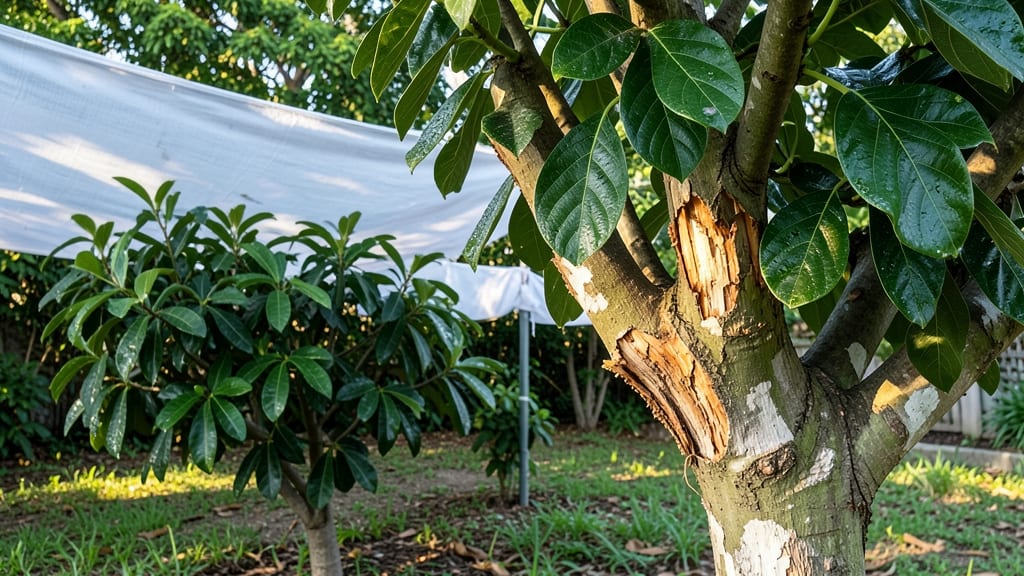
Your avocado tree’s crispy leaves aren’t a death sentence—sunburned foliage can heal fast with the right moves. 🌿 I’ve nursed back three scorched trees, and the secret isn’t complicated: it’s about shielding delicate leaves while keeping the tree happy.
The first step is identifying whether those white patches are sunburn or something else (spoiler: it’s usually sun). The damage happens when trees move from shade to full sun too quickly, or when afternoon rays bake tender leaves.
Young trees and those in hot climates are especially vulnerable—even mature trees can get sunburn if pruned improperly. What you’ll need is patience (for gradual acclimation) and a few simple fixes: mulch, shade cloth, or strategic pruning to filter harsh light.
Within 2-3 weeks, new growth will emerge with healthy green leaves, and the tree will bounce back stronger. The key is acting fast—before the damage spreads to branches or the trunk.
Think of it like sun protection for your tree: gradual exposure, hydration, and a little extra care go a long way. Works for container-grown trees, in-ground plants, and even those in greenhouses. Let’s get those leaves looking lush again—no more crispy surprises!
Sunburn’s Hidden Triggers
Sunburn isn’t just a human problem—your avocado tree can get it too, and the causes often surprise even seasoned gardeners. Understanding why those unsightly brown patches appear is the first step to protecting your tree. Let’s break down the science behind the damage.
Avocado trees (Persea americana) thrive in partial shade, especially in hot climates. Their leaves evolved to handle dappled sunlight, not relentless midday rays.
When exposed to intense, direct sunlight (especially between 10 AM and 4 PM), the leaves’ waxy cuticle—a natural protective layer—can’t reflect or dissipate heat fast enough.
This leads to: - Cell membrane breakdown (chloroplasts overheat and rupture). - Oxidative stress (excess UV rays trigger free radicals that damage leaf tissue). - Water loss acceleration (pores called stomata open to cool the leaf, but they also let moisture escape, dehydrating cells).
💡 Pro Tip: If your tree is suddenly getting more sun (e.g., after a neighbor’s tree was removed), it may take 2–4 weeks to acclimate. Gradually introduce it to sunlight by pruning nearby shade providers over time.
A sparse or uneven leaf canopy leaves some branches vulnerable to concentrated sunlight.
This happens when: - Over-pruning removes protective outer leaves, exposing inner growth to harsh light. - Pests (like spider mites or scale insects) weaken leaves, reducing their ability to photosynthesize efficiently. - Wind or hail damage tears leaves, creating gaps where sunlight scorches tender new growth.
⚠️ Warning: Avocado trees with new, tender leaves (especially in spring) are most susceptible—their cuticles are thinner and less resilient.
Sunburn and drought damage often go hand-in-hand. When an avocado tree is underwatered or overwatered (leading to root stress), its leaves can’t regulate temperature properly. Here’s how it plays out: - Underwatering: The tree closes stomata to conserve water, trapping heat inside leaves.
Temperatures can rise 10–15°F hotter than ambient air, cooking the cells. - Overwatering: Poor drainage causes root suffocation, weakening the tree’s ability to transport water and nutrients.
Leaves wilt slightly, making them more prone to sunburn. - Salt buildup (from tap water or poor soil) further stresses roots, reducing the tree’s resilience to heat.
🔥 Quick Fix: Water deeply but infrequently (1–2 inches per week in dry climates) and mulch heavily (3–4 inches of organic mulch) to retain moisture and cool roots.
Avocado trees prefer mild, stable temperatures (ideal range: 60–85°F).
When heat spikes above 90°F for prolonged periods, the problem worsens because: - Photosynthesis shuts down temporarily to prevent damage, leaving leaves vulnerable. - Transpiration (evaporative cooling) fails if humidity is low, causing leaves to overheat. - Soil microbes that help nutrient uptake become less active, weakening the tree’s defenses.
🌡️ Heatwave Hack: Provide temporary shade cloth (30–50% shade) during extreme heat. Avoid plastic sheets—they trap heat and can bake leaves.
Poor soil health directly impacts sunburn risk.
Key culprits: - Nitrogen deficiency: Pale, weak leaves can’t produce enough chlorophyll to protect against UV damage. - Magnesium or potassium shortages: These minerals help regulate stomatal function and heat tolerance. - Compacted or rocky soil: Restricts root growth, limiting the tree’s ability to access water and nutrients when it needs them most.
💡 Soil Test Tip: Use a home soil test kit to check pH (ideal: 6.0–7.0) and nutrient levels. Amend with compost or well-rotted manure to improve resilience.
Newly planted or recently transplanted avocado trees are extremely vulnerable because:
- Root systems are disrupted, slowing water and nutrient uptake.
- Exposed roots (from improper planting depth) can’t anchor the tree, making leaves more prone to wilting and sunburn.
- Stress hormones (like ethylene) spike, weakening the tree’s ability to cope with heat.
⏰ Recovery Time: It can take 6–12 months for roots to fully establish. During this period, avoid full-sun exposure and keep the tree well-watered.
Sometimes, what looks like sunburn is actually:
- Fungal/bacterial infections (like anthracnose or leaf spot), which thrive in hot, humid conditions.
- Chemical burns from fertilizer or pesticide overspray.
- Cold damage (if temperatures drop below 32°F, leaves may turn brown in a similar pattern).
🔍 How to Tell: Sunburned leaves are dry, crispy, and often on the side facing the sun, while fungal damage is usually soft, wet-looking, or spreads in patches.
Quick Fixes for Scorched Avocado Leaves
Sunburned avocado leaves can look devastating, but with the right care, your tree can bounce back—even regrow healthy foliage. The key is acting fast and addressing the root cause (literally and figuratively).
Below are practical, step-by-step solutions tailored to the most common triggers, plus prevention tips to keep your tree thriving.
Fix: Gradually acclimate your tree to brighter conditions.
- 🌞 Move the Tree Slowly - If you recently moved your avocado tree outdoors or into a sunnier spot, don’t rush it.
Over 7–10 days, shift it to a partially shaded area (like 50% sun) before full exposure. - Use a lightweight shade cloth (30–50% block) for the first few weeks if moving to a hotter climate.
- 🍃 Prune Damaged Leaves
- Severely scorched leaves won’t recover. Use sterilized pruning shears to trim them at the base.
- Pro Tip: 💡 Snip just above a leaf node (the bump where new growth emerges) to encourage regrowth.
- ✨ Boost Recovery with Foliar Spray
- Mix 1 tsp of liquid seaweed fertilizer (like Maxsea) in 1 gallon of water and spray leaves every 3–4 days for 2 weeks. This strengthens cell walls and aids repair.
Fix: Hydrate deeply and adjust watering habits.
- 💦 Water Deeply, Not Frequently
- Avocado trees hate surface-level watering. Instead, water at the base until moisture reaches 12–18 inches deep (use a moisture meter if unsure).
- Schedule: Water 2–3 times per week in extreme heat (check soil—if the top 2 inches are dry, it’s time).
- 🌳 Mulch Like a Pro
- Spread 3–4 inches of organic mulch (straw, wood chips) around the base (but not touching the trunk). This keeps roots cool and retains moisture.
- Bonus: Mulch also blocks harmful UV rays from scorching soil and shallow roots.
- 🌬️ Provide Afternoon Shade
- If your tree is in a hot, exposed area, install a temporary shade sail or move potted trees to a morning-sun spot (afternoon sun is brutal).
- For permanent fixes, plant fast-growing shade trees (like a young banana or citrus) nearby.
Fix: Flush the soil and adjust nutrients.
- 🚰 Leach the Soil
- Over-fertilizing (especially with synthetic salts) burns roots. Flush the soil by watering slowly for 30–60 minutes until water runs clear from the drainage holes.
- Repeat once a week for 2 weeks to remove excess salts.
- 🌱 Switch to Organic Fertilizer
- Ditch chemical fertilizers temporarily. Use compost, worm castings, or a balanced organic fertilizer (like 5-5-5) every 6–8 weeks.
- Avoid: High-nitrogen fertilizers (they burn leaves faster).
- 💧 Test Soil pH
- Avocados prefer slightly acidic soil (pH 6.0–7.0). Use a soil test kit to check—if it’s too alkaline, amend with sulfur or peat moss.
Fix: Protect the tree and promote healing.
- 🛡️ Shield from Wind
- Install a windbreak (bamboo screens, mesh fencing) on the prevailing wind side of the tree.
- For potted trees, move them to a sheltered spot (like against a fence or wall).
- 🍃 Trim Ragged Edges
- Use sharp pruners to clean up torn or jagged leaves—this prevents disease entry.
- Focus on outer leaves first, as they’re most exposed.
- 🌿 Apply a Protective Spray
- Mix 1 tbsp neem oil + 1 tsp mild dish soap in 1 gallon of water. Spray leaves every 2 weeks to strengthen cell resilience and deter pests that exploit weak spots.
To keep your avocado tree sunburn-free for good:
- 🌅 Acclimate New Plants Slowly – If bringing an indoor avocado outside, harden it off over 2–3 weeks by gradually increasing sunlight. - 💧 Water Consistently – Avocados hate moisture fluctuations.
Stick to a regular schedule (deep watering > frequent shallow watering). - 🌳 Choose the Right Spot – Morning sun + afternoon shade is ideal.
Avoid full afternoon sun in hot climates. - 🍂 Prune Strategically – Thin out dense foliage to improve airflow and reduce heat buildup. - 🌱 Monitor Soil Health – Test soil annually for pH and nutrient levels. Adjust with organic matter as needed.
Remember: Avocado trees are tough—with the right care, they’ll sprout fresh leaves in as little as 2–4 weeks. Keep an eye on new growth, and don’t hesitate to repeat treatments if scorching returns. Your tree will thank you with juicy, healthy fruit in no time! 🥑✨
Frequently asked questions
Why do avocado leaves turn white or yellow after sun exposure?
Those white/yellow patches are classic signs of sunburn—when avocado leaves get too much direct sunlight, their protective wax layer breaks down. The damage starts as pale spots, then turns crispy brown as cells dry out. Young leaves and those on the tree’s outer edges are most vulnerable, especially between 10 AM and 4 PM when UV rays are strongest.
Can I save my avocado tree if most leaves are scorched?
Yes! Even severely damaged trees can recover if you act fast. Start by pruning dead leaves (cut just above leaf nodes) and providing afternoon shade with a shade cloth. Deep watering (12–18 inches) and a seaweed foliar spray (applied every 3–4 days) will jumpstart regrowth. New leaves should appear in 2–4 weeks if roots are healthy.
How do I tell if it’s sunburn or a fungal infection?
Sunburned leaves are dry, crispy, and often on one side (the sun-facing side), while fungal damage feels soft or slimy and spreads in patches. Check for black spots or powdery residue—if present, it’s likely a disease like anthracnose. Sunburn also affects only exposed leaves, whereas fungi attack randomly.
Is shade cloth better than moving my potted avocado tree?
Shade cloth is ideal for temporary protection (30–50% block) during peak sun hours, while moving the tree works for long-term fixes. For potted trees, relocate to a morning-sun spot—afternoon rays are far more damaging. If you can’t move it, use lightweight shade cloth (avoid plastic, which traps heat) and water deeply daily during heatwaves.
Will my avocado tree grow back after sunburn damage?
Avocado trees are resilient—once you remove damaged leaves and address the root cause (like overwatering or poor shade), new growth will emerge from leaf nodes (those small bumps where leaves attach). Focus on root health (mulch + deep watering) and gradual sun exposure, and you’ll see fresh, green leaves in 3–6 weeks.