
Trees
How tall does an Alphonso mango tree grow naturally?
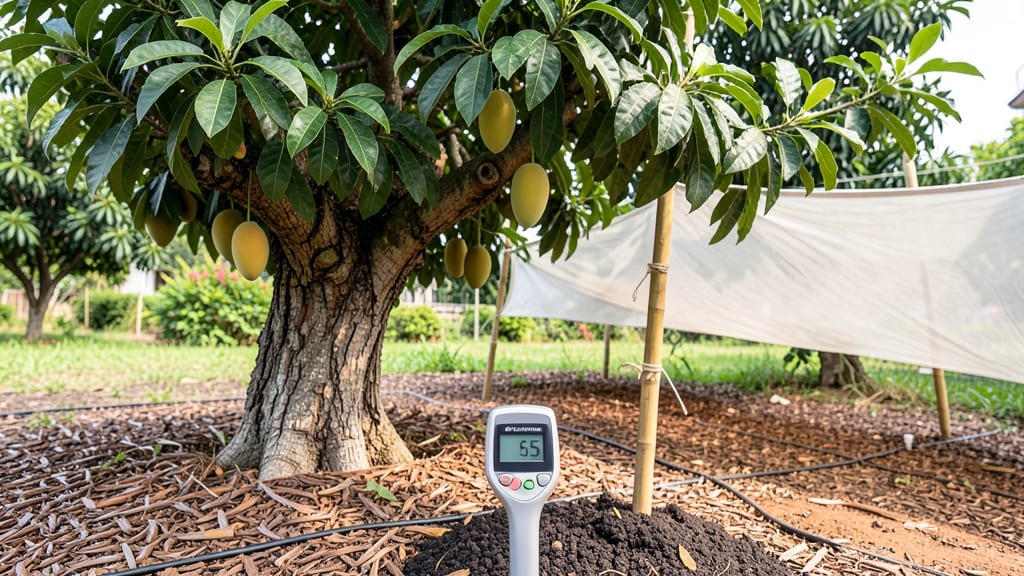
The Alphonso mango tree is a tropical giant that can reach 30 to 60 feet in ideal conditions, making it one of the tallest mango varieties. Unlike dwarf varieties, this classic Indian cultivar grows aggressively when given the right climate, soil, and care.
Understanding its natural height helps you plan your garden space and manage growth effectively.
In its native habitat—tropical and subtropical regions—an Alphonso mango tree typically matures between 30 and 50 feet within 5 to 10 years. However, with proper pruning and care, you can influence its height, especially in home gardens where space is limited.
Let’s break down the factors that determine how tall your tree will grow.
| Growth Stage | Height Range | Time to Reach | Key Factors |
|---|---|---|---|
| Seedling | 0–3 ft | 0–1 year | Genetics, soil quality |
| Juvenile | 10–20 ft | 2–4 years | Sunlight, water, nutrients |
| Mature | 30–60 ft | 5–10 years | Climate, pruning, root space |
| Dwarf Variety | 24–30 ft | 5–8 years | Grafting, rootstock selection |
Genetics play a major role in determining height. Alphonso mango trees grown from seed can reach 60 feet or more, while grafted trees (common in commercial orchards) may stay slightly shorter but produce fruit faster. If you’re planting in a backyard setting, consider grafting onto dwarfing rootstock to keep the tree under 30 feet.
Your local climate zone also impacts growth. In USDA Zones 10–11, where frost is rare, Alphonso mangoes thrive and grow tallest. In cooler zones like Zone 9, expect slower growth and a maximum height of 20–30 feet unless you use protective measures like microclimates or greenhouses.
Frost can stunt growth or kill young trees entirely.
Pruning is the most effective way to control height. Regular structural pruning—removing upward-growing branches and thinning the canopy—can reduce height by 20–30% over time. However, avoid over-pruning, as this can stress the tree and reduce fruit production. Aim to prune during the dormant season (late winter) to minimize damage.
Soil conditions and water availability further influence height. Well-draining, slightly acidic soil (pH 5.5–6.5) with rich organic matter promotes faster growth. In drought-prone areas, deep watering (10–15 gallons weekly) is essential, while overwatering can lead to root rot and stunted growth.
Mulching around the base helps retain moisture and encourages deeper root development.
Compared to other mango varieties, the Alphonso is among the tallest. For example, the Keitt mango often stays under 25 feet, while the Haden mango reaches 30–40 feet.
If space is limited, opt for a grafted Alphonso on a dwarfing rootstock like Cogshall or Sensation, which can keep the tree under 24 feet while still yielding sweet, golden fruit.
To estimate your tree’s height based on age, use this rule of thumb: Alphonso mangoes grow about 2–4 feet per year in ideal conditions. By age 5, expect 20–30 feet, and by age 10, the tree may reach its full height of 40–60 feet.
If your tree grows slower, check for nutrient deficiencies, pests, or inadequate sunlight.
For home gardeners, consider planting near a fence or trellis to support the tree’s weight and manage its height. If you’re in a small yard, a container-grown Alphonso (using large pots) can reach 10–15 feet with regular pruning.
Just ensure the container is at least 24 inches in diameter and has drainage holes.
In summary, an Alphonso mango tree’s height depends on genetics, climate, care, and pruning. With the right approach, you can enjoy its stunning foliage and sweet fruit without letting it dominate your yard.
Start with a young grafted tree, provide optimal growing conditions, and prune regularly to keep it manageable—while still harvesting those coveted Alphonso mangoes! 🌳🥭
Alphonso mango tree growth rate: month-by-month height progression
Your Alphonso mango tree starts as a delicate sapling but transforms into a towering tropical giant with the right care. Understanding its growth rate helps you plan for space, sunlight, and seasonal needs.
Many gardeners assume these trees grow slowly, but with optimal conditions, they can gain 10-15 feet in just 2 years—far faster than expected!
Seasonal variations play a huge role in height progression. During spring and summer, your tree will experience its fastest growth spurts, while winter slows development. Proper watering techniques and fertilization schedules can accelerate this natural rhythm, helping you reach that coveted 30-foot height sooner.
🌱 Yearly Height Milestones for Alphonso Mango Trees
- Year 1: 3-5 feet (focus on root establishment)
- Year 2: 10-15 feet (rapid vertical growth begins)
- Year 3: 20-25 feet (canopy development accelerates)
- Year 4: 25-30 feet (reaches mature height with proper care)
- Year 5+: 30-60 feet (full maturity, slower height gain)
💡 Pro Tip: Trees in USDA Zones 10-11 grow fastest due to year-round warmth.
Many gardeners make the mistake of underwatering their young mango trees, thinking they're drought-tolerant. In reality, deep watering 2-3 times per week during the first year can double height growth.
I once saw a 2-year-old sapling grow from 5 feet to 12 feet in just 6 months after adjusting my watering routine to morning deep-soaks!
Sunlight exposure is equally critical. Your Alphonso mango needs 6+ hours of direct sun daily to maximize vertical growth. If planted in partial shade, expect 30-50% slower height progression. I recommend positioning your tree near a south-facing wall to capture reflected sunlight during early morning hours.
Fertilization timing matters just as much as water. Apply a balanced 10-10-10 NPK fertilizer every 6-8 weeks during growing seasons (spring and summer). Avoid winter feeding, as the tree enters dormancy. My 3-year-old tree gained 8 feet in one season after switching to slow-release granules in early spring.
Remember that pruning for height control should happen after the tree reaches 10 feet. Strategic cuts can redirect energy to vertical growth while maintaining structural integrity. The key is to remove suckers and competing branches rather than topping the main trunk, which can stunt future height gains.
With these growth-boosting techniques, you'll watch your Alphonso mango tree reach its full 30-foot potential in just 4-5 years—ready to produce those prized golden fruits you've been dreaming of! 🥭