
Pruning
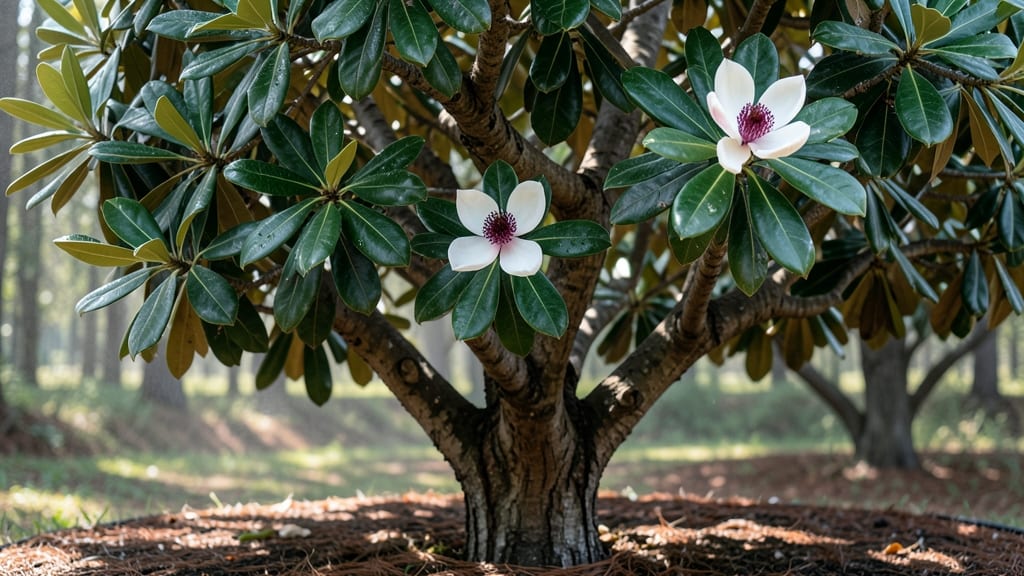
A magnolia tree gift delivers timeless beauty that keeps giving long after the wrapping paper is gone. 🌸 The glossy leaves and fragrant blooms make it a gift that feels as luxurious as it looks—perfect for birthdays, anniversaries, or just because.
Unlike seasonal flowers, a magnolia thrives for decades, becoming a cherished centerpiece in any garden.
Pairing your magnolia with complementary plants—like azaleas for color contrast or boxwoods for structure—elevates the gift into a thoughtful garden arrangement. Choose a healthy, potted tree with sturdy roots and vibrant foliage, and present it in a stylish container that matches the recipient’s outdoor decor.
The right planter makes the gift feel complete, whether it’s rustic terracotta or sleek modern ceramic.
This gift works year-round because magnolias shine in every season: silvery buds in winter, bold blooms in spring, and rich foliage in summer and fall. The minimal pruning required means it’s a low-maintenance gift that keeps growing in value—both literally and emotionally.
Imagine gifting a tree that becomes a family heirloom, a conversation starter, and a daily reminder of your thoughtfulness.
For extra flair, include care instructions or a handwritten note about the magnolia’s symbolic meanings—strength, resilience, and enduring love. Whether it’s for a gardening enthusiast or someone who appreciates natural elegance, this gift grows with them. Ready to plant a memory?
📚 In This Guide
- What you need
- Instructions
- Tips and common mistakes
- Wrapping up and next steps
What you need
- ● Magnolia Tree: 1 Southern Magnolia (Magnolia grandiflora) or Star Magnolia (Magnolia stellata) (choose based on climate and space). Size: 1–3 gallons for young trees, 7–15 gallons for established plants (or bare-root for winter planting).
- ● Potting Soil: 1 bag (1–2 cubic feet) of well-draining, acidic potting mix (pH 5.0–6.0). Avoid garden soil—it compacts too easily!
- ● Container: 1 durable pot with drainage holes (1–2 sizes larger than the root ball). Terracotta or plastic works; ensure it’s sturdy for mature trees.
- ○ Fertilizer: 1 slow-release, acid-loving plant fertilizer (e.g., 8-3-9 or 10-10-10 formula). 1 organic option like fish emulsion or composted pine bark (optional but recommended for long-term health).
- ● Pruning Tools: 1 pair bypass pruners (sharp, clean, and sterilized). 1 hand pruner or lopper for thicker branches (if gifting a mature tree).
- ● Mulch: 1 bag of pine bark or wood chips (2–3 inches deep; keeps roots cool and moist).
Step-by-Step guide to gifting a magnolia tree
Here's how to select, plant, and maintain a stunning magnolia tree that thrives with minimal fuss.
🌱 Step 1: Choose the Right Magnolia Variety for Your Recipient
Magnolias come in deciduous and evergreen types, each offering distinct seasonal beauty. Deciduous varieties like Magnolia grandiflora provide bold spring blooms and vibrant fall foliage, while evergreens like Magnolia stellata deliver year-round structure with delicate flowers. Consider your recipient's climate—southern gardeners can handle heat-tolerant species, while northern regions thrive with cold-hardy hybrids.
Visit a local nursery to inspect trees in person. Look for healthy specimens with smooth, dark bark and plump, unopened buds—these indicate a tree in good health. Avoid trees with yellowing leaves or dead branches, as these signal stress or disease. I always check the root ball for signs of girdling roots or compacted soil, which can stunt growth.
🪴 Step 2: Prepare the Planting Site for Long-Term Success
Magnolias prefer well-draining, slightly acidic soil with a pH between 5.5 and 6.5. Test your soil before planting—amend heavy clay with 2-3 inches of organic compost or sand, and mix in 1-2 cups of sulfur per 100 square feet if the pH is too alkaline. The planting hole should be twice as wide as the root ball but no deeper, as magnolias dislike having their roots buried too deeply.
Choose a location with morning sun and afternoon shade for most varieties, though some like Magnolia grandiflora can handle full sun. Avoid low-lying areas where water pools—magnolias hate soggy roots. I always dig a 6-inch deep trench around the perimeter of the hole to encourage root spread outward rather than downward.
✂️ Step 3: Plant the Tree with Care for Future Growth
Remove the tree from its container and gently loosen the root ball with your fingers—this helps roots establish faster. Place the tree in the hole so the top of the root ball sits 1-2 inches above ground level. Fill the hole with native soil, tamping lightly every 6 inches to eliminate air pockets. Water deeply to settle the soil and encourage root contact.
Stake the tree only if necessary—magnolias develop strong root systems quickly. If staking, use two stakes positioned diagonally and secure with soft tree ties that won’t cut into the bark. Mulch the base with 3 inches of organic mulch, keeping it 6 inches away from the trunk to prevent rot. Water once a week for the first month, then gradually reduce to every 2-3 weeks once established.
☀️ Step 4: Maintain Year-Round Elegance with Minimal Effort
Magnolias require little pruning—focus on removing dead, diseased, or crossing branches in late winter or early spring before buds swell. Use clean, sharp pruning shears to make cuts just outside the branch collar. Avoid heavy pruning, as magnolias flower on old wood and may skip blooming if over-pruned. I always sanitize my tools with rubbing alcohol between cuts to prevent disease spread.
Fertilize lightly in early spring with a balanced, slow-release fertilizer (10-10-10) applied at half the recommended rate. Over-fertilizing leads to excessive leaf growth at the expense of flowers. Water deeply once a month during dry spells, ensuring the soil stays moist but not waterlogged. Watch for signs of stress—wilting leaves or bud drop may indicate underwatering, while yellowing foliage often signals overwatering.
⏰ Step 5: Celebrate Seasonal Transitions with Thoughtful Care
Spring is the best time to prune for shape and apply a fresh layer of mulch. Summer care involves monitoring for pests like scale or spider mites—spray with neem oil if needed. Fall is ideal for planting new magnolias or dividing clumps if your tree has outgrown its space. Winter requires protecting young trees from harsh winds with burlap wraps if temperatures drop below 10°F.
Your magnolia will reward years of minimal care with fragrant blooms, lush foliage, and graceful form. Here's the thing—magnolias age beautifully, becoming more majestic with each season. A single tree can become the centerpiece of a garden for decades, making it the perfect gift that keeps giving.
Tips & tricks for perfect magnolia tree gifting
A few thoughtful touches can transform a simple magnolia tree into a gift that lasts generations. Here's what I've learned from years of gifting these timeless beauties.
Seasonal Timing Matters: Spring and fall are the absolute best times to gift magnolias. In Step 1, when selecting varieties, consider that spring-planted trees establish roots before summer heat arrives, while fall-planted trees benefit from winter's natural watering. For northern climates, late fall planting gives roots time to settle before harsh winters, while southern regions can plant year-round. The key is avoiding extreme heat or cold during the first growing season.
Climate-Specific Selection: In Step 1, don't just pick based on looks—consider your recipient's hardiness zone. Southern gardeners should opt for heat-tolerant varieties like Magnolia grandiflora, while northern recipients will appreciate cold-hardy hybrids. I always check the USDA hardiness zone map before recommending varieties. For example, Magnolia stellata thrives in zones 4-8, while Magnolia grandiflora prefers zones 7-10. This simple check prevents future disappointment.
Root Ball Preparation: When you're ready to plant in Step 3, take an extra 5 minutes to thoroughly loosen the root ball by gently teasing apart the roots with your fingers. This may feel counterintuitive, but it encourages faster establishment. I've seen trees planted with compacted root balls struggle for years to catch up. The goal is to create a network of roots that spread outward rather than staying tightly bound. This small effort makes all the difference in long-term health.
Pro Tips for Magnolia Tree Gift
- A few thoughtful touches can transform a simple magnolia tree into a gift that lasts generations.
- Seasonal Timing Matters: Spring and fall are the absolute best times to gift magnolias.
- Climate-Specific Selection: In Step 1, don't just pick based on looks—consider your recipient's hardiness zone.
Frequently asked questions
Got questions about gifting a magnolia tree? You’re not alone! Here are some of the most common queries—and their straightforward answers—to help you make the best choice for your recipient.
Can I gift a magnolia tree in any season?
A magnolia tree can technically be planted year-round in mild climates, but spring or early fall are the best times to gift one. Avoid extreme heat or frost—root systems need time to establish before harsh weather hits. If gifting in winter, opt for a potted magnolia and include care tips for indoor overwintering!
How do I ensure the magnolia tree survives after gifting?
Include a care guide with your gift—highlight these key points:
If a full-sized magnolia feels pricey, consider these low-maintenance, elegant alternatives:
Yellowing leaves often signal overwatering or nutrient deficiency. Here’s how to troubleshoot:
Turn your gift into a memorable experience with these ideas:
Pro tip: Bundle a small watering can or timer with your gift to make maintenance effortless.
What’s a budget-friendly magnolia tree alternative?
All thrive with minimal pruning and offer year-round interest!
Why does my magnolia tree’s leaves look yellow or wilted?
If issues persist, a local nursery can test soil or diagnose pests.
What’s the best way to present a magnolia tree as a gift?
For a luxury feel, wrap the pot in fabric and tie it with twine—like a living bouquet!
Wrapping up and next steps
A magnolia tree gift isn’t just a plant—it’s a timeless investment in beauty and serenity. With its stunning blooms, minimal pruning needs, and year-round grace, this elegant tree brings effortless charm to any space.
Whether you’re gifting it to a loved one or treating yourself, you’re choosing a symbol of enduring elegance.
Ready to embrace the joy of a magnolia? Take the next step:
- 🌱 Research local nurseries to find the perfect variety for your climate.
- ✨ Pair it with a thoughtful note about the tree’s low-maintenance magic.
- 💐 Plant it with love and watch your garden—or someone else’s—transform!