
Pruning
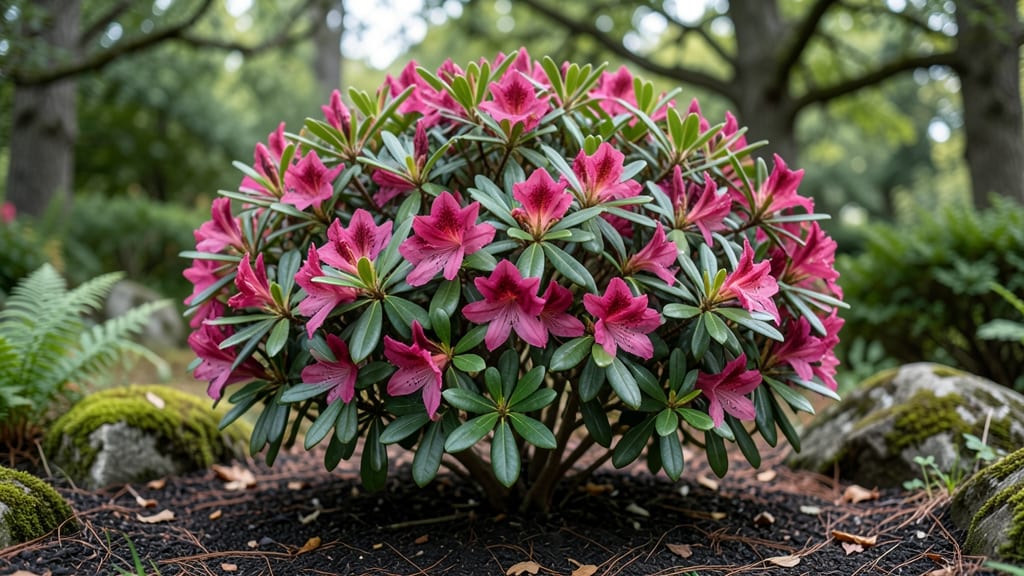
Your azalea tree outside needs season-specific trimming to burst into those showstopping blooms every spring. 🌸 I’ve watched my own azaleas go from sparse, leggy bushes to lush, flower-covered powerhouses—all by following a simple seasonal schedule that keeps them healthy and productive.
The key isn’t just cutting branches; it’s understanding when and why to prune for maximum impact.
Azaleas thrive in partial shade and acidic soil, but their real secret weapon is timing. Prune right after blooming (late spring) to shape the plant and encourage next year’s flowers, but avoid heavy cuts in fall—you’ll sacrifice next spring’s display.
Overwatering is the silent killer, so focus on deep watering once a week rather than frequent shallow soaks. Frost sensitivity means protecting young trees in early spring with a light frost cloth if your zone gets chilly.
By summer’s end, you’ll see new growth forming where you pruned, setting the stage for bold, vibrant blooms next season. The foliage stays thick and glossy, and the plant resists pests better when pruned correctly.
Think of it as giving your azalea a spa day—less stress, more energy for flowers. Even a black thumb can nail this with the right approach.
Works for both container-grown azaleas and in-ground plantings, and adapts to zones 5–9 with minor adjustments. Let’s get those shears ready—your azalea’s about to shine.
📚 In This Guide
- What you need
- Instructions
- Tips and common mistakes
- Wrapping up and next steps
What you need
- ● Pruning shears: Bypass pruners (sharp, clean, and 5-7 inch blades) for clean cuts. *Avoid anvil pruners—they crush stems!
- ● Hand pruners: Small, ergonomic for delicate branches (3-4 inch blades).
- ● Loppers: Long-handled for thicker branches (8-12 inch blades).
- ● Garden gloves: Heavy-duty, cut-resistant (e.g., mechanized or leather).
- ● Disinfectant: 70% isopropyl alcohol or rubbing alcohol (1 bottle).
- ○ Pruning sealant: Optional but helpful (e.g., tree wound paint, 4 oz).
- ● Ladder or step stool: Sturdy, 6-8 ft tall (if tree exceeds 6 ft).
- ● Trash bags: Heavy-duty, 13-gallon (2-3 bags for debris).
- ● Sharpie or marker: Permanent (for labeling pruned branches if grafting).
- ● Extension pole saw: For high branches (10-12 ft reach).
- ● Safety glasses: To protect from debris.
- ● Work apron: With pockets for tools.
- ● Hose or spray bottle: To rinse tools between cuts.
- ● Notebook & pen: To jot down pruning notes (e.g., “Spring: Deadhead after blooms”).
- ● ✅ Know your azalea type: Deciduous vs. evergreen (e.g., Rhododendron vs. Kurume).
- ● ✅ Check the season: Best time to prune: Spring: Right after blooms fade (late April–May).
- ● Summer: Light shaping only (avoid heavy cuts!).
- ● Fall/Winter: No pruning! (Dormant season = stress risk).
- ● ✅ Weather: Choose a calm, dry day (avoid rain or wind).
- ● ✅ Safety first: Wear closed-toe shoes and check for pests/diseases (e.g., borers, powdery mildew).
Step-by-Step guide to pruning azaleas for seasonal blooms
Azaleas reward careful pruning with bigger, brighter flowers—here’s how to do it right each season.
✂️ Step 1: Prune Immediately After Spring Blooming
Wait until after your azalea finishes flowering—typically late May to early June—before you touch the shears. This timing ensures you don’t cut off next year’s buds, which form on last year’s growth. Look for spent blooms and faded leaves as your cue; they signal the plant has completed its flowering cycle.
Use clean, sharp pruners to make 45-degree cuts just above a leaf node or outward-facing bud. Avoid cutting into old wood—azaleas bloom on new growth, so pruning too late risks stunted flowers. I like to shape lightly first, removing only one-third of the oldest stems to encourage fresh growth.
☀️ Step 2: Thin Out Crowded Branches in Early Summer
Once new growth appears (mid-June to July), focus on thinning rather than shearing. Remove crossing branches or those growing inward—they compete for sunlight and air circulation, which invites pests. Aim for an open, vase-like shape that lets light penetrate to the center of the plant.
Never remove more than 25% of the foliage in one session. Azaleas are sensitive to aggressive pruning, and over-trimming stresses them. If you’re unsure, step back and assess: a well-pruned azalea should still look full, just with better airflow between branches.
🌿 Step 3: Light Maintenance in Late Summer to Early Fall
From August through September, limit pruning to dead or diseased branches only. This is the plant’s recovery period—new growth hardens off for winter. Use sterilized pruners (wipe with rubbing alcohol) to avoid spreading fungal spores if you spot any brown, mushy stems.
Watch for yellowing leaves or stunted buds—these are signs of stress. If you notice them, reduce pruning further and focus on watering deeply (about 1 inch per week) to support root development. Azaleas thrive in acidic, well-draining soil, so a light mulch of pine needles or oak leaves helps maintain ideal conditions.
❄️ Step 4: Winter Pruning for Shape and Safety
In late winter (February), give your azalea a light shape-up before spring growth begins. Remove any dead, broken, or weak branches that might weigh down heavy snow. This is also the time to thin out overly dense areas to prevent winter burn.
Azaleas are semi-evergreen, so don’t panic if some leaves drop in cold snaps—they’ll regrow in spring. Avoid heavy pruning now; the plant needs its energy to prepare for next year’s buds. A quick sanitize-the-shears with rubbing alcohol between cuts keeps your tools ready for spring’s full pruning session.
Tips & tricks for season-specific azalea pruning
These insights will help you avoid common mistakes and maximize your azalea's flowering potential year after year.
Timing is Everything: The late May to early June window for Step 1 is critical because azalea buds form on last year's growth. I've seen gardeners rush this step and end up with sparse blooms the following spring. Wait until at least 75% of flowers have faded completely—this usually takes 2-3 weeks after peak bloom. The visual cue is when the petals start curling inward and turning brown at the edges.
Cutting Technique Matters: When making those 45-degree cuts in Step 1, aim to leave a small bump where the branch was. This prevents water from pooling at the cut site, which can lead to rot. I use my pruners to make a slight dimple at the base of each cut—this subtle detail makes a huge difference in plant health. Also, always cut just above a leaf node or outward-facing bud to encourage new growth in the right direction.
Seasonal Pruning Strategy: The 25% foliage limit in Step 2 applies to each individual pruning session, not the entire year. I recommend breaking up major pruning into two sessions: first in early summer for thinning, then again in late winter for shaping. This gradual approach prevents stress and gives your azalea time to recover between cuts. Think of it like a haircut—you wouldn't cut all your hair off at once!
Tool Maintenance: Sterilizing your pruners between cuts in Step 3 isn't just about disease prevention—it's about plant communication. When you clean your tools, you're essentially telling the plant, "I'm taking care of you." I keep a small bottle of rubbing alcohol in my gardening toolkit and wipe down blades after every 3-5 cuts, especially when dealing with diseased branches. This simple habit has kept my azaleas thriving for years.
Pro Tips for Azalea Tree Outside
- These insights will help you avoid common mistakes and maximize your azalea's flowering potential year after year.
- Timing is Everything: The late May to early June window for Step 1 is critical because azalea buds form on last year's growth.
- Cutting Technique Matters: When making those 45-degree cuts in Step 1, aim to leave a small bump where the branch was.
Frequently asked questions
Got questions about keeping your azalea tree outside in top shape?
You’re not alone! Here are answers to the most common queries to help you nurture stunning blooms year-round.
When is the best time to trim my azalea tree outside?
The ideal time to prune azaleas is right after they finish blooming—typically in late spring or early summer. This ensures you don’t cut off next year’s flower buds, which form on old wood. Avoid pruning in fall or winter, as cold stress can harm the plant. For shape trimming, a light touch in late summer (after flowering) also works!
Can I trim azaleas in winter if they’re outside?
Winter pruning is not recommended for azaleas, especially in colder climates. Pruning in winter can expose fresh cuts to frost, increasing the risk of disease or dieback. If you must trim in winter, do so very lightly (e.g., removing dead branches) and avoid heavy shaping. Wait until spring for major pruning tasks!
What should I do if my azalea tree isn’t blooming?
Lack of blooms often stems from over-pruning, poor sunlight, or improper fertilization. Ensure your azalea gets morning sun and afternoon shade (they hate scorching heat). Feed with an acidic, high-phosphorus fertilizer in early spring, and avoid pruning flower buds (they form on last year’s growth). If the issue persists, check for pests or root rot!
How much can I trim back my azalea tree?
Azaleas are forgiving, but never remove more than 1/3 of the foliage in a single pruning session. For dense shrubs, aim for 10-20% of the total plant to encourage bushier growth. Use clean, sharp shears to make angled cuts just above a leaf or bud. Avoid “lion’s tailing” (cutting back to bare stems)—this can stress the plant and reduce blooms.
Are there drought-tolerant azalea varieties for outside planting?
Yes! Some azalea varieties handle drier conditions better than others. Look for Evergreen azaleas like ‘Girard’s Pink’ or ‘Southern Indica’, which are more drought-resistant than their deciduous cousins. Mulch heavily (2–3 inches) to retain moisture, and water deeply but infrequently (1–1.5 inches per week). Avoid soggy soil—azaleas prefer consistently moist, well-draining soil.
What pests or diseases should I watch for in outdoor azaleas?
Common issues include lace bugs, spider mites, and azalea gall. Check undersides of leaves for pests (tiny yellow spots = lace bugs!). For fungal diseases like powdery mildew, improve airflow and avoid overhead watering. Treat infestations early with neem oil or insecticidal soap. Always prune infected branches immediately to prevent spread!
Wrapping up and next steps
Transforming your azalea tree into a stunning, year-round beauty is simpler than you think! By mastering season-specific trimming, you’ll unlock vibrant blooms and a healthier plant—no green thumb required. 🌸 Whether you’re a beginner or a seasoned gardener, these techniques ensure your azalea thrives with minimal effort.
Ready to take the next step? Grab your pruners, check your local frost dates, and start with just one small trim this season. Your azalea—and your curb appeal—will thank you!