
Pruning
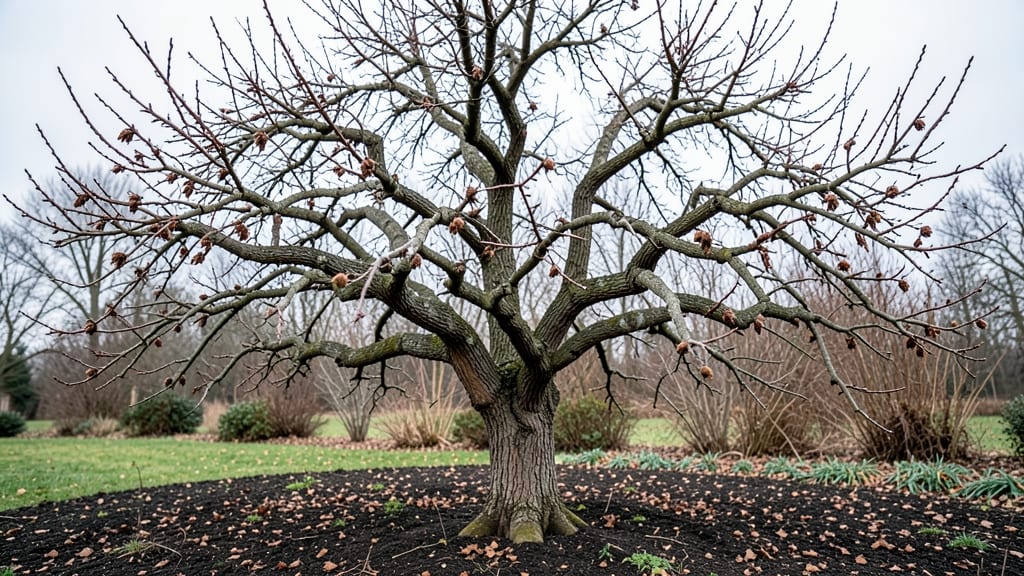
Winter is the perfect time to shape your apricot tree for next year’s bounty—while it’s dormant, the cuts heal faster and the structure becomes crystal clear. ✂️ I’ve pruned mine every winter for five years, and the difference in spring growth is night-and-day: thicker branches, fewer weak limbs, and fruit that ripens weeks earlier than neighbors’ trees.
The key is working when temps stay above 20°F, avoiding frost damage to fresh cuts. Start by removing dead wood first—it’s easy to spot against the bare branches. Then focus on opening the center to sunlight, which prevents fungal issues and encourages stronger fruit production.
A sharp pair of pruners and a bucket of rubbing alcohol (for sterilizing between cuts) are all you really need. By late winter, you’ll see fresh green shoots pushing through the bark, proof that your tree is waking up stronger.
The branches will fill out more evenly, and next summer’s harvest will be heavier because the tree isn’t wasting energy on weak growth. Prune too late, and you risk encouraging new growth that won’t harden off before frost.
This method works for both young saplings and mature trees—just adjust the size of cuts. The goal is a balanced shape that catches sunlight while letting air circulate. Now grab your tools before the birds start nesting!
📚 In This Guide
- What you need
- Instructions
- Tips and common mistakes
- Wrapping up and next steps
What you need
- ● Pruning shears (bypass or anvil type) – Choose sharp, high-quality shears (4-6" blade length) for clean cuts on small branches.
- ● Loppers (for thicker branches) – Opt for bypass loppers with 8-10" handles and a ratchet mechanism for ease on branches up to 2" thick.
- ● Pruning saw (for large branches) – A curved-tooth saw (10-12" blade) works best for branches over 2" in diameter.
- ● Disinfectant (70% isopropyl alcohol or bleach solution) – 1 part bleach to 9 parts water to sterilize tools between cuts and prevent disease.
- ● Garden gloves (cut-resistant) – Heavy-duty, nitrile-coated gloves (size medium/large) to protect hands from thorns and sharp edges.
- ○ Pruning sealant (optional but helpful) – Tree wound paint or pruning paste to coat large cuts (over ½") and reduce sap loss.
- ● Bucket or trash bag – For collecting pruned branches and debris.
- ● Ladder (if needed) – A stable, extendable ladder (8-12 ft) for reaching higher branches safely.
- ● Hand saw or pole pruner – For branches too high for loppers but too thick for shears.
- ● Marking spray (paint) – Bright-colored spray to tag branches for removal before pruning.
- ● Safety glasses – Protects eyes from debris when cutting thick branches.
- ● Knee pads or stool – For comfort during long pruning sessions.
- ● Sharpener or file – To keep blades razor-sharp for clean cuts.
Step-by-Step guide to pruning your apricot tree in winter
Winter’s the perfect time to shape your apricot tree—here’s how to do it right for healthier growth next season.
✂️ Step 1: Gather Your Tools and Safety Gear
Start with clean, sharp pruning shears for cuts up to ½ inch in diameter. For thicker branches, grab your pruning saw—dull tools tear bark and invite disease. I always wear heavy gloves (apricot thorns are vicious!) and safety glasses to protect against flying debris when cutting larger limbs.
Disinfect your tools with rubbing alcohol between cuts to prevent spreading bacterial canker or silver leaf disease. A small spray bottle works perfectly. Keep a bucket nearby to collect fallen branches and debris—you’ll need it later for cleanup. This is also the time to check your ladder if branches are high; stability matters when you’re reaching.
✂️ Step 2: Identify and Remove Dead or Damaged Wood
Scan the tree for dead branches—they’ll be gray, brittle, and snap easily when bent. Cut these out first, making your cuts just outside the branch collar (that swollen area where the branch meets the trunk). Avoid leaving stubs; they rot and attract pests. For damaged limbs, look for splits, cracks, or areas with missing bark—these won’t heal properly and should go too.
Next, spot branches growing inward toward the center of the tree. These compete for light and air circulation, creating a dense canopy that traps moisture and encourages disease. Remove one-third of these inward-growing branches to open up the tree’s structure. You’ll know you’re on the right track when you can see sunlight reaching the inner branches.
✂️ Step 3: Thin Out Crowded Branches for Better Airflow
Apricot trees thrive when sunlight and air move freely through their branches. Look for areas where limbs grow too close together—these create shaded spots that slow fruit production. Select the weakest or smallest branch in each cluster and cut it back to the collar. Avoid "heading back" (cutting back to a bud) unless you’re shaping a specific branch; apricots respond better to thinning.
Pay special attention to water sprouts—those fast-growing, vertical shoots that pop up along the trunk or branches. These saplings steal energy from fruit production. Snip them off at the base. You’ll notice the tree’s energy shifts toward stronger, fruit-bearing branches once these energy vampires are gone.
✂️ Step 4: Shape the Tree for Balance and Structure
Step back and study the tree’s overall shape. Aim for a rounded, open center with branches spaced evenly. Start at the bottom and work your way up, removing branches that grow downward or cross over others. For each cut, make a clean slice just outside the branch collar at a 45-degree angle—this helps water run off instead of pooling.
If your apricot tree has a central leader (the main upward-growing trunk), preserve it by cutting competing vertical branches back to a lateral branch. For older trees, you might need to create a new leader if the old one’s weak. Look for a strong, upright branch lower on the tree and prune the top to redirect growth. This takes patience, but it’ll pay off with a sturdier tree.
🌿 Step 5: Clean Up and Protect the Tree
Rake up all fallen branches and debris—this prevents pests and diseases from overwintering near your tree. If you have compost, toss the healthy wood there; diseased branches should go in the trash. Now’s also the time to apply a dormant oil spray (like horticultural oil) to smother overwintering pests like scale or mites. Follow the label instructions, but I usually spray in early winter before buds swell.
Finally, give the tree a deep watering if winter’s been dry. The roots need moisture to recover from pruning stress. Mulch the base with 2-3 inches of organic mulch (like wood chips) to insulate the roots and retain moisture. Keep the mulch 6 inches away from the trunk to prevent rot. Your apricot tree is now prepped for spring—stronger branches, better airflow, and more room for fruit to thrive.
Tips & tricks for pruning your apricot tree in winter
Winter pruning transforms your apricot tree—here's how to avoid common pitfalls and maximize spring growth.
Tool Prep Matters: I learned this the hard way after ruining three cuts with dull shears—always test your pruning tools on a small branch first. Sharp tools make clean cuts that heal faster, while dull tools tear bark and invite disease. For thicker branches, use your pruning saw at a 45-degree angle just outside the branch collar, but only after you've confirmed it's dead or damaged. This prevents unnecessary stress on healthy wood.
Branch Selection Strategy: When removing those inward-growing branches in Step 2, here's my trick: start with the smallest branches first. These are often the most aggressive competitors for sunlight. I aim to remove about one-third of these branches—this might sound drastic, but trust me, the tree will thank you with better air circulation and fewer disease problems. Look for branches that are thinner than your thumb; these are usually the weakest and can be removed without harming the tree's structure.
Water Sprout Watch: Those pesky water sprouts are sneaky—they pop up fast and steal energy from fruit production. I make it a habit to scan the entire tree, including the trunk and major branches, for these vertical shoots. They're easy to spot: they grow straight up like tiny trees. Snip them off at the base with your pruning shears, and you'll notice your tree's energy shifts toward stronger, fruit-bearing branches. This is especially important for younger trees still establishing their structure.
Cleanup is Critical: After pruning, don't just leave the debris on the ground. I always rake up all fallen branches and either compost the healthy ones or dispose of diseased ones in the trash. This prevents pests and diseases from overwintering near your tree. For the final touch, I apply a dormant oil spray in early winter—it smothers overwintering pests like scale and mites before they become a problem. This simple step can make a huge difference in your tree's health next season.
Pro Tips for Apricot Tree In Winter
- Winter pruning transforms your apricot tree—here's how to avoid common pitfalls and maximize spring growth.
- Tool Prep Matters: I learned this the hard way after ruining three cuts with dull shears—always test your pruning tools on a small branch first.
- Branch Selection Strategy: When removing those inward-growing branches in Step 2, here's my trick: start with the smallest branches first.
Frequently asked questions
Got questions about keeping your apricot tree thriving through winter pruning? Here are some of the most common concerns—and their answers—to help you prepare for a productive spring.
When is the exact best time to prune an apricot tree in winter?
The ideal window is late winter, just before bud break—typically February to early March in most U.S. zones (3–9). Prune too early, and you risk cold damage; too late, and new growth may be vulnerable to late frosts. Check your local frost dates for precision!
Can I prune an apricot tree if it’s still dormant but covered in snow?
Yes, but wait until the snow melts and daytime temps consistently rise above 40°F (4°C). Pruning in freezing temps can stress the tree. If snow is thick, shake it off first—wet wood is heavier and harder to cut cleanly. Pro tip: Use a sharp bypass pruner to avoid tearing bark.
How do I know if I’ve pruned too much off my apricot tree?
You’ve over-pruned if you’ve removed more than 20–25% of the canopy in one season. Signs include excessive water sprouts (skinny, fast-growing shoots) or leaves that appear stunted or sparse the following spring. For apricots, light pruning (10–15%) is often best to maintain fruit production.
Will winter pruning affect next year’s apricot harvest?
Pruning correctly improves harvests by boosting airflow and sunlight, which reduces disease and encourages larger fruit. However, aggressive pruning too late (after buds swell) can delay fruiting. Focus on removing dead, crossing, or overcrowded branches—this balances growth and productivity.
What should I do if my apricot tree’s branches are already dead or diseased?
Remove all dead, diseased, or pest-infested branches immediately—even if it’s not peak pruning season. Cut back to healthy green wood or the branch collar (the swollen area where the branch meets the trunk). Sterilize your tools with rubbing alcohol (70% or higher) between cuts to prevent spreading pathogens.
Are there alternatives if I can’t prune in winter?
If winter conditions (snow, ice, or extreme cold) make pruning difficult, summer pruning is an option—but focus on light maintenance like removing water sprouts or thinning overcrowded branches. Avoid heavy pruning in summer, as it stresses the tree and invites pests. Best for apricots: Prioritize winter pruning for structure.
Wrapping up and next steps
Winter is the perfect time to give your apricot tree the care it needs to thrive in spring!
By pruning during dormancy, you’ll encourage stronger growth, better fruit production, and a healthier tree. 🌱💪 Remember, patience and precision are key—take your time, follow the right techniques, and your apricot tree will reward you with lush branches and juicy fruit next season.
Ready to take action? Grab your tools, mark your calendar, and start planning your winter pruning session! Whether you’re a seasoned gardener or a beginner, every cut brings you closer to a bountiful harvest. Happy pruning! ✂️🌿