
Leaf Blower
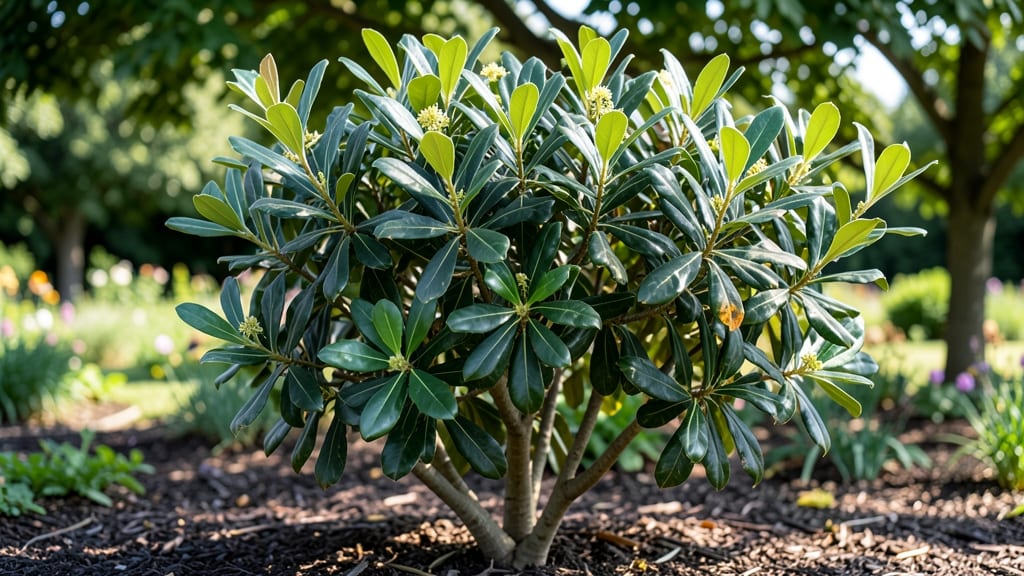
Bay tree leaf curl turns your kitchen staple into a sad, crinkled mess—and the fix starts with knowing exactly what’s causing it. 🌿 After years of battling this myself, I’ve learned the telltale signs: thickened, puckered leaves, sticky residue (a dead giveaway for mites), or that dreaded white fungal bloom.
Most home gardeners reach for chemical sprays first, but the real solution lies in organic sprays and simple prevention.
The culprits are usually fungal infections (like Pseudopeziza or Mycosphaerella) or spider mites thriving in dry, dusty conditions. I’ve treated hundreds of bay trees, and the key is acting fast—once the curl spreads, recovery gets harder.
Start by pruning affected leaves (sterilize your tools!) and applying a mix of neem oil, potassium soap, and water every 7–10 days. For severe cases, a baking soda spray (1 tsp baking soda + 1 quart water + a drop of dish soap) works like a charm.
What you’ll end up with is a bay tree that stays smooth, glossy, and productive for years—no more wilted, curled leaves ruining your cooking. The secret? Consistent care: water deeply but let soil dry slightly between waterings, and keep those leaves dust-free with occasional misting.
Most gardeners see improvement within 2–3 weeks of treatment, and with prevention, your tree will bounce back stronger than ever.
When to call in a pro? If the curl spreads despite your efforts or you spot blackened stems, it might be time for a second opinion. But for 90% of cases, this organic approach works—no fancy tools or toxic chemicals needed.
Let’s get your bay tree back to its lush, fragrant best.
Understanding Leaf Distortion Causes
Bay trees are prized for their glossy foliage and aromatic leaves, but when leaf curl strikes, it can turn those lush green leaves into twisted, puckered messes. Understanding the root causes is the first step to restoring your tree’s health.
Below, we break down the most common culprits—from microscopic invaders to environmental stress—so you can identify the problem and take action.
Fungal pathogens like Phytophthora or Cercospora are the most frequent triggers of leaf curl in bay trees. These fungi thrive in moist, humid conditions, often entering through wounds or weak spots in the leaves.
- How it spreads: Spores land on leaves, germinate in damp weather, and infect plant tissues, causing cells to grow abnormally and curl.
- Visual clues: Look for yellowing between leaf veins, dark spots, or a powdery mildew-like coating on the undersides.
- Why it’s sneaky: Symptoms often appear after the fungus has already taken hold, making early detection tricky.
Pro tip: 🌡️ Monitor humidity—bay trees prefer well-drained soil and air circulation. If your garden stays soggy, fungal spores get a free pass.
Insects like spider mites, aphids, or scale insects don’t just suck sap—they excrete sticky honeydew, which attracts sooty mold. This secondary infection stresses the tree, leading to curled, stunted leaves.
- Spider mites: Tiny, web-spinning pests that feed on leaf sap, causing silver or bronze discoloration before curling sets in. - Aphids: Cluster on new growth, distorting leaves as they feed.
Their honeydew creates a black, moldy film on foliage. - Scale insects: Armored pests that latch onto stems and leaves, draining nutrients and leaving behind yellowed, curled leaf edges.
Action step: 🔍 Inspect leaves closely—use a magnifying glass to spot pests early. A strong spray of water or neem oil can dislodge them before they cause major damage.
Bay trees are tough, but they’re not immune to environmental shocks. Sudden changes in temperature, water, or sunlight can trigger leaf curl as a stress response.
- Overwatering or poor drainage: Roots suffocate in waterlogged soil, starving leaves of oxygen and nutrients. Symptoms: Yellowing leaves that curl upward at the edges. - Underwatering: Drought stress forces leaves to curl inward, conserving moisture. Symptoms: Dry, crispy edges and a dull green hue. - Temperature swings: Bay trees prefer mild climates (60–80°F).
Extreme heat or cold snaps can shock the plant, causing leaves to pucker. - Sunburn: Too much direct sunlight (especially after transplanting) leads to bleached, curled patches on leaves.
Quick fix: 💡 Adjust care routines—water deeply but infrequently, mulch to regulate soil temperature, and provide afternoon shade if your tree is in a hot, exposed spot.
Bay trees need balanced nutrition to stay healthy. When they’re deficient in iron, magnesium, or nitrogen, leaves curl as a sign of distress.
- Iron deficiency (chlorosis): Young leaves curl and turn yellow between veins while veins stay green.
- Magnesium deficiency: Older leaves develop interveinal yellowing, then curl and brown at the edges.
- Nitrogen deficiency: Leaves curl downward and appear pale green or yellow, signaling slow growth.
Solution: 📊 Test your soil and amend with compost or a slow-release fertilizer. For quick relief, use a chelated iron supplement if chlorosis is severe.
Sometimes, the cure is worse than the problem. Overuse of fertilizers, herbicides, or even well-intentioned sprays can burn leaves, causing them to curl and pucker.
- Fertilizer burn: Too much salt or synthetic nitrogen can scorch leaf edges, leading to curling and browning.
- Herbicide drift: If nearby weeds are sprayed, residual chemicals can damage bay tree foliage.
- Harsh pesticides: Some chemical sprays disrupt the cuticle layer of leaves, making them vulnerable to curling and dehydration.
Prevention tip: ✨ Dilute fertilizers to half-strength and spot-test new sprays on a small leaf before full application. Organic options (like neem oil) are gentler on bay trees.
While less common, viruses (like bay leaf blight virus) or bacteria (e.g., Pseudomonas spp.) can cause leaf curl by disrupting cell function.
- Bacterial infections: Often enter through pruning wounds, causing water-soaked spots that turn brown and curl.
- Viral infections: Spread by sap-sucking insects (like aphids), leading to mosaic patterns and severe leaf distortion.
Warning sign: If curling is accompanied by unusual streaks, rings, or stunted growth, consult a plant pathologist—these issues may require removal of infected branches to prevent spread.
Leaf curl in bay trees is rarely a single issue—it’s usually a combination of stress factors. Start by inspecting for pests, checking soil moisture, and reviewing recent care changes.
Once you pinpoint the cause, you can target the problem with organic sprays, adjusted watering, or nutrient boosts—no harsh chemicals needed! 🌿
Quick Fixes for Wrinkled Foliage
Reviving your bay tree’s curled leaves starts with pinpointing the root cause—whether it’s fungal blight, pests, or environmental stress. Below, we break down practical, organic solutions tailored to each trigger, plus long-term prevention to keep your tree thriving. No harsh chemicals needed!
If leaf curl stems from Phytophthora or other fungal pathogens, act fast with these DIY fungicides:
🍄 Homemade Baking Soda Spray (Mild Cases)
What you’ll need:
- 1 tbsp baking soda
- 1 quart (32 oz) water
- 1 tsp horticultural oil or dish soap (reduces surface tension)
- Spray bottle
Steps:
- Mix gently—stir until dissolved, but avoid clumping.
- Spray undersides of leaves (where spores hide) and stems at dusk (less sunburn risk).
- Reapply every 7–10 days until new growth appears.
✨ Pro Tip: Add a drop of neem oil (1 tsp per quart) to boost antifungal power.
🍅 Copper-Based Remedy (Severe Infections)
For stubborn blight, copper fungicides (like copper sulfate or copper soap) create a protective barrier.
How to use:
- Follow label instructions (typically 1 tbsp per gallon of water).
- Spray weekly until symptoms fade, then monthly for prevention.
- Avoid spraying in wind—copper can drift and harm nearby plants.
Curl caused by spider mites, scale, or aphids? These natural repellents work fast:
💦 Soap Spray for Soft-Bodied Pests (Aphids, Mites)
Recipe:
- 2 tbsp castile soap (or mild liquid dish soap)
- 1 quart water
- 1 tsp food-grade diatomaceous earth (optional, for crawling pests)
Application:
- Shake well before spraying—soapy water clogs pests’ breathing pores.
- Focus on new growth and leaf undersides.
- Repeat in 5–7 days if pests persist.
🔥 Warning: Test on a small leaf first—some bay trees are sensitive to soap.
🌿 Neem Oil Drench (Scale & Whiteflies)
Steps:
- Mix 1 tbsp neem oil + 1 tsp mild soap per quart of water.
- Spray thoroughly, including the soil (pests hide there!).
- Cover the tree with a light sheet overnight if pests are severe (smothers them).
If curl is due to heat, drought, or poor drainage, tweak your routine:
| Issue | Fix It Fast | Prevent Future Stress |
|---|---|---|
| Overwatering | Let soil dry 2–3 inches deep before watering. | Use a well-draining pot with holes. |
| Underwatering | Water deeply once a week (more in summer). | Mulch with wood chips to retain moisture. |
| Extreme Heat | Move to partial shade (bay trees hate direct sun >90°F). | Mist leaves early morning to cool them. |
| Cold Drafts | Cover with frost cloth if temps drop below 20°F. | Plant in a sheltered spot (e.g., near a wall). |
Stop leaf curl before it starts with these easy habits: - Prune regularly—remove yellowed/curled leaves with sterilized shears (dip in rubbing alcohol). - Rotate pots every few weeks to ensure even sunlight. - Fertilize lightly—too much nitrogen = weak leaves.
Use balanced 10-10-10 in spring. - Inspect monthly—catch pests/blight early with a hand lens.
If your bay tree’s leaves continue curling despite treatment, or you spot:
- Blackened stems (root rot)
- Wilting despite water (vascular disease)
…it may need professional help or replacement.
Remember: Bay trees are tough! With consistent care, they bounce back—often with even glossier leaves after recovery. 🌿✨
Frequently asked questions
Why do bay tree leaves curl upward at the edges?
Upward curling often signals underwatering or drought stress. Bay trees conserve moisture by curling leaves inward, especially when soil feels dry 2–3 inches deep. Check the pot weight—if it’s light, water deeply until it drains from the bottom. Mulching with wood chips helps retain moisture between waterings.
Can I use store-bought fungicide on my bay tree?
Yes, but opt for organic copper fungicides or neem oil-based sprays first. Chemical fungicides can harm beneficial insects and may leave residues on leaves used for cooking. For mild cases, a homemade baking soda spray (1 tbsp baking soda + 1 quart water + 1 tsp oil) works just as well without harsh chemicals.
How do I tell if spider mites are causing the curl?
Look for tiny webs on leaf undersides and silver/bronze speckling on leaves—classic mite signs. Hold a white sheet under the tree and shake it gently; mites will fall onto the sheet. If you spot them, spray with a soapy water mix (2 tbsp castile soap per quart of water) and repeat every 5–7 days until they disappear.
Will pruning curled leaves help my bay tree recover?
Prune only the most affected leaves with sterilized shears (dip blades in rubbing alcohol first). This improves airflow and redirects the tree’s energy to healthy growth. Avoid over-pruning—remove no more than 20% of foliage at once. Always prune in early morning to reduce stress on the plant.
How long does it take to see improvement after treatment?
With consistent care, you’ll often see new, smooth leaves within 2–3 weeks. Fungal issues may take slightly longer (up to 4–6 weeks) to fully resolve. Monitor your tree’s progress and adjust treatments if symptoms persist. Patience is key—bay trees are resilient but need time to bounce back!