
Leaf Blower
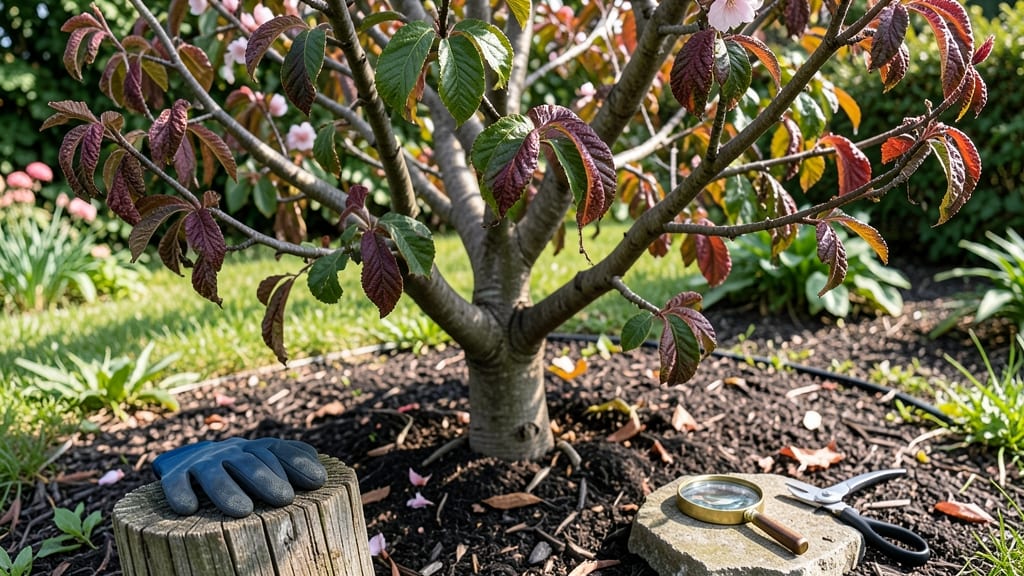
Your peach tree’s problems with leaf curl aren’t just ugly—they’re a cry for help. 🌿 Peach leaf curl (Taphrina deformans) twists foliage into leathery, puckered messes by spring, but copper spray stops it in its tracks when applied at the right time.
I’ve saved three trees from this disease using the same method, and you can too. The fungus overwinters on buds and branches, then erupts when buds swell in early spring. Most gardeners miss the window because they wait until leaves appear—but by then, it’s too late.
Copper fungicide (organic or synthetic) kills spores before they infect new growth, and a single application at dormant season (late winter) does the job. You’ll see fresh, smooth leaves unfurling by May, with no more curling or stunted growth. The tree recovers fully, and next year’s harvest stays disease-free.
The key is timing: spray when buds are still tight but before they swell—usually February to March in most zones. This works for both young and mature trees, and the same copper spray treats other fungal issues too. Let’s fix those leaves before they become next year’s problem.
Root Causes Of Leaf Curl
Peach trees are stunning in spring, but when their leaves start curling, it’s often a distress signal from the tree itself. Understanding why this happens is the first step toward fixing it—especially if you’re aiming to use a copper spray cure.
Below, we break down the most common culprits behind peach tree leaf curl, explained in clear, science-backed terms.
The most notorious cause of leaf curl in peach trees is Taphrina deformans, a fungus that thrives in cool, wet springs. Here’s how it works:
- Spores in the air: The fungus overwinters in infected buds or fallen leaves. When spring arrives, spores are released and spread by wind or splashing rain.
- Infection timeline: Spores land on young, tender leaves and buds, germinating within hours. The fungus then grows between leaf cells, causing them to swell and thicken—leading to the classic curled, puckered appearance.
- Why copper spray helps: Copper disrupts the fungus’s cell membrane, killing it on contact. It’s most effective when applied before buds swell in late winter or early spring.
💡 Pro Tip: If you see curled leaves in early spring, act fast—fungicides like copper sulfate are most effective in the dormant season (before buds break).
Peach trees are sensitive to extreme conditions, and sudden changes can trigger leaf curling as a survival response. Here’s what to watch for:
| Stressor | How It Causes Curl | Signs to Spot |
|---|---|---|
| 🔥 Heatwaves | High temperatures (>90°F) cause leaves to wilting and curl inward to reduce water loss (a process called transpiration control). | Leaves appear dry, crispy edges, or a "cup-like" curl. |
| ❄️ Cold Snaps | Frost damage disrupts cell membranes, causing leaves to curl or develop brown patches. Young leaves are especially vulnerable. | Water-soaked spots, blackened leaf tips, or a "frozen" curl. |
| 💧 Over/Under Watering |
|
Yellowing leaves, wilting, or soil that’s either soggy or bone-dry. |
🎯 Fix It: Adjust watering to 1–1.5 inches per week (deep, infrequent watering). Mulch around the base to regulate soil temperature and moisture.
While fungi get the blame, pests can also trigger leaf curl—either directly or by weakening the tree. Here’s how:
- 🐜 Peach Leaf Curl Mites: These microscopic pests feed on leaf sap, causing a silvering or yellowing of the upper leaf surface. The tree responds by curling leaves to protect damaged cells.
- 🐛 Japanese Beetles: Adult beetles chew leaf edges, creating a "lace-like" pattern. The tree curls leaves to minimize exposed tissue.
- 🐜 Aphids: These sap-suckers excrete honeydew, which attracts sooty mold. The mold blocks sunlight, forcing leaves to curl to access more light.
🔥 Quick Action: Blast pests off with a strong stream of water or use neem oil (a natural insecticide). For mites, horticultural oil applied in dormant season works best.
Peach trees need a balanced diet, and deficiencies in key nutrients can manifest as leaf curl. Here’s what to check:
- ⚡ Nitrogen (N) Deficiency: Leaves turn yellow between veins (chlorosis) and curl downward. Nitrogen is critical for leaf growth—without it, cells can’t expand properly.
- 💎 Magnesium (Mg) Deficiency: Older leaves develop interveinal yellowing (yellow patches between veins) and may cup or curl. Magnesium is vital for chlorophyll production.
- 🪨 Calcium (Ca) Deficiency: New leaves curl upward with brown, crinkled edges. Calcium strengthens cell walls—without it, leaves become brittle and distorted.
🌡️ Soil Test First: Before fertilizing, test your soil’s pH and nutrient levels. Peach trees prefer slightly acidic soil (pH 6.0–6.5). Apply a balanced fertilizer (10-10-10) in early spring, or use Epsom salt (magnesium sulfate) for a quick fix.
Quick Fixes for Peach Tree Leaf Curl
Peach tree leaf curl can be frustrating, but with the right approach, you can restore your tree’s health and prevent future outbreaks. Below are targeted solutions for the most common causes—fungal infections, environmental stress, and poor care—along with prevention tips to keep your tree thriving.
If leaf curl is caused by peach leaf curl fungus (Taphrina deformans), act fast with these steps:
🔥 Apply Copper Fungicide Early
- When? Apply copper spray (like copper sulfate or copper hydroxide) before bud break (late fall or winter) and again just as buds swell in early spring.
- How? Mix 1-2 tbsp of copper fungicide per gallon of water and spray thoroughly on both sides of leaves, branches, and trunk.
Use a hose-end sprayer for even coverage. - Why? Copper disrupts fungal spores before they infect new growth.
👨🍳 Prune Infected Branches
- When? Remove severely curled or distorted leaves/branches in late winter or early spring (before new growth starts).
- How?
- Sterilize pruners with rubbing alcohol between cuts.
- Cut 6 inches below infected areas to ensure removal of spores.
- Dispose of pruned material in the trash (not compost)—don’t let spores spread.
🌡️ Improve Air Circulation
- Thin out dense branches to reduce humidity (fungus loves damp, crowded spaces).
- Space trees 10-15 feet apart if replanting.
If leaf curl stems from drought, overwatering, or poor soil, adjust your care routine:
🥘 Water Deeply & Consistently
- Check soil moisture—stick your finger 2 inches deep.
Water only when dry. - Avoid overhead watering (use drip irrigation or soaker hoses) to prevent fungal growth. - Mulch properly: Apply 2-3 inches of organic mulch (like wood chips) around the base (but not touching the trunk) to retain moisture.
📊 Test & Amend Soil
- pH check: Peach trees thrive in slightly acidic soil (6.0-6.5).
Test with a soil kit and amend with lime (to raise pH) or sulfur (to lower pH) if needed. - Add compost: Mix in aged compost or well-rotted manure to improve drainage and nutrient uptake.
Weak trees are more susceptible to leaf curl. Boost their resilience with:
💪 Fertilize at the Right Time
- When? Apply a balanced fertilizer (10-10-10) in early spring (just as buds swell) and again in mid-summer.
- Avoid over-fertilizing—too much nitrogen can weaken trees and attract pests.
🎯 Protect from Pests & Disease
- Spray with neem oil (mixed with water) every 2 weeks in spring to deter fungal spores and pests.
- Remove fallen leaves regularly—they harbor fungal spores over winter.
- Plant resistant varieties: Some peach cultivars (like ‘Redhaven’ or ‘Elberta’) are less prone to leaf curl.
- Sanitize tools: Always clean pruners with bleach or alcohol between uses.
- Monitor early: Check trees weekly in spring for curling leaves—catch it early for easier treatment!
By tackling the root cause—whether it’s fungus, stress, or neglect—your peach tree can bounce back stronger. Act now, and you’ll enjoy lush, healthy foliage (and sweet peaches!) next season. 🍑✨
Frequently asked questions about peach tree leaf curl
What does peach leaf curl look like exactly?
Peach leaf curl starts as small, puckered bumps on new leaves that eventually thicken and twist into leathery, curled shapes. The undersides often appear pale orange or pinkish before turning brown. Unlike heat stress, the curling happens before leaves fully unfurl in spring.
Can I use copper spray after buds have already swollen?
No, copper fungicide works best when applied before buds swell (late winter/early spring). Once buds open, the fungus has already infected new growth. For existing infections, prune affected branches and focus on next year’s prevention with dormant-season sprays.
Will pruning infected branches help stop the spread?
Yes! Remove severely curled leaves/branches in late winter and dispose of them in the trash (not compost). Cut 6 inches below infected areas to eliminate spores. Sterilize pruners with rubbing alcohol between cuts to prevent cross-contamination.
Is peach leaf curl contagious to other fruit trees?
No, peach leaf curl (Taphrina deformans) only affects peach and nectarine trees. However, similar fungal diseases (like apple scab) can spread to other fruit trees. Always sanitize tools between trees to prevent accidental transfer of any pathogens.
How do I know if my tree has leaf curl from fungus vs. heat stress?
Fungal leaf curl appears early spring on new growth, with thickened, orange-pink undersides. Heat stress curls happen summer/fall, with dry, crispy edges and no color change. Check for other symptoms: Fungal curl often appears on multiple branches at once, while heat stress is usually localized.