
Pruning
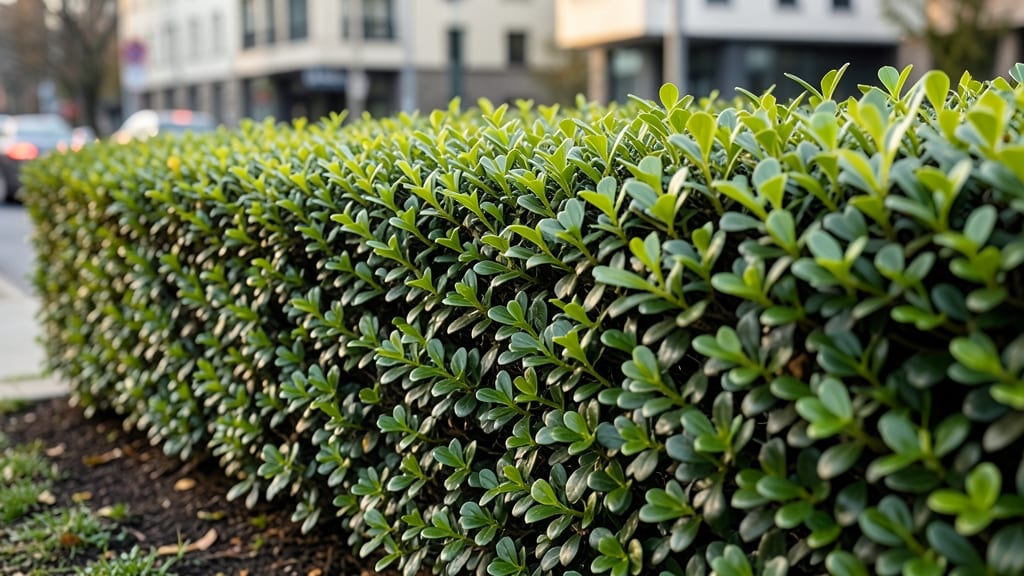
Mastering broadleaf tree and shrub pruning transforms your garden from chaotic to curated. These year-round techniques ensure vibrant growth, disease resistance, and stunning shapes—whether you're a novice or seasoned gardener.
Spring Bloom Enhancement Pruning for Azaleas
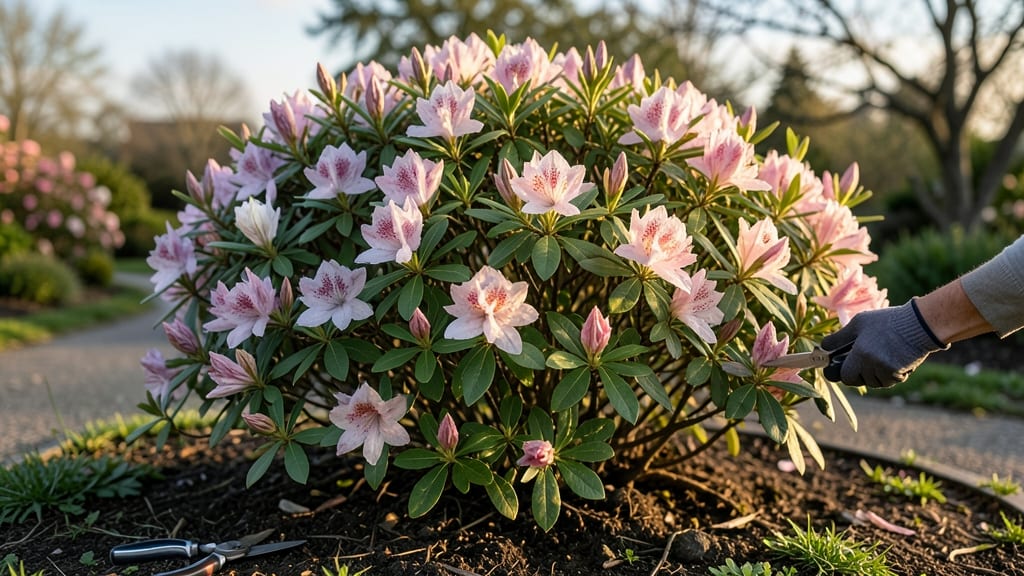
Your azaleas just finished their stunning spring show—but don’t put away your shears yet! Post-bloom pruning in late spring (after flowers fade) is the secret to next year’s bigger, more abundant blooms while keeping foliage dense and healthy. This is especially valuable for foundation plantings and borders where both form and function matter.
Focus on removing spent flower clusters (trusses) down to the first set of leaves, and lightly thin out crowded branches to improve air circulation. Avoid heavy pruning—never cut more than 25% of the plant—as azaleas bloom on old wood. This timing also prevents the risk of frost damage to new growth, ensuring your shrubs stay lush year-round.
This technique is perfect for gardeners who want low-maintenance structure with high-impact color. Just 15 minutes of careful pruning now will reward you with fuller blooms and healthier plants next spring. 🌷
Winter Dormant Season Pruning for Oak Trees
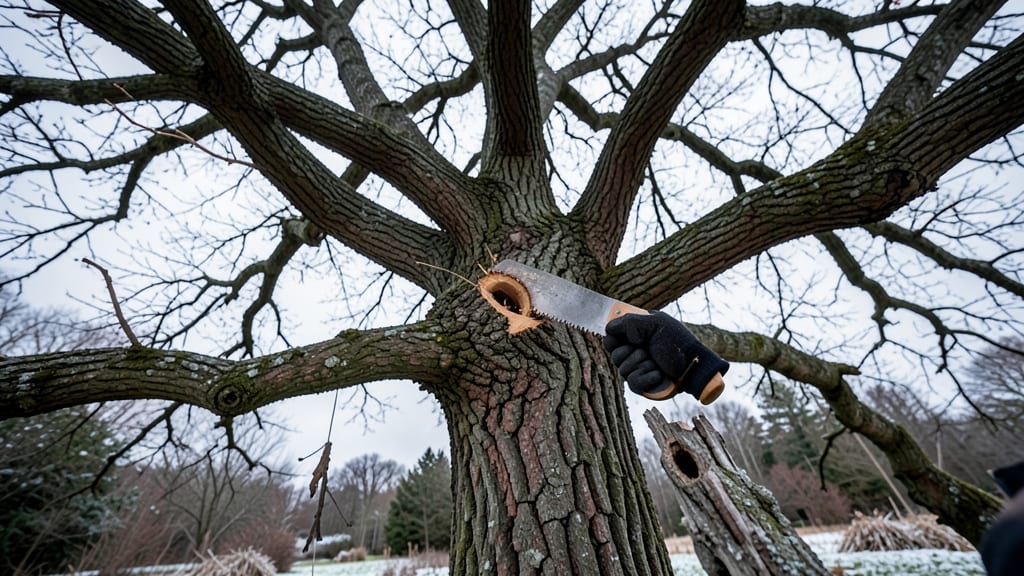
Winter is the perfect time to give your oak trees the care they need to thrive for decades—without risking stress or disease. Unlike spring or summer pruning, dormant-season cuts focus on structural health, removing deadwood and shaping the canopy while the tree conserves energy.
Start by inspecting the tree for winter-damaged branches (gray, brittle, or hanging) and crossing limbs that rub together. Use clean, sharp pruning tools to make cuts just outside the branch collar, ensuring smooth healing. For large oaks in urban areas, prioritize raising the canopy to improve visibility and reduce storm risks. Never remove more than 25% of the crown in one session.
This method is ideal for homeowners with mature oaks or city planners maintaining public trees. A well-pruned oak not only looks majestic but also stands stronger against wind and ice. ✨
Summer Light Pruning for Boxwood Hedges
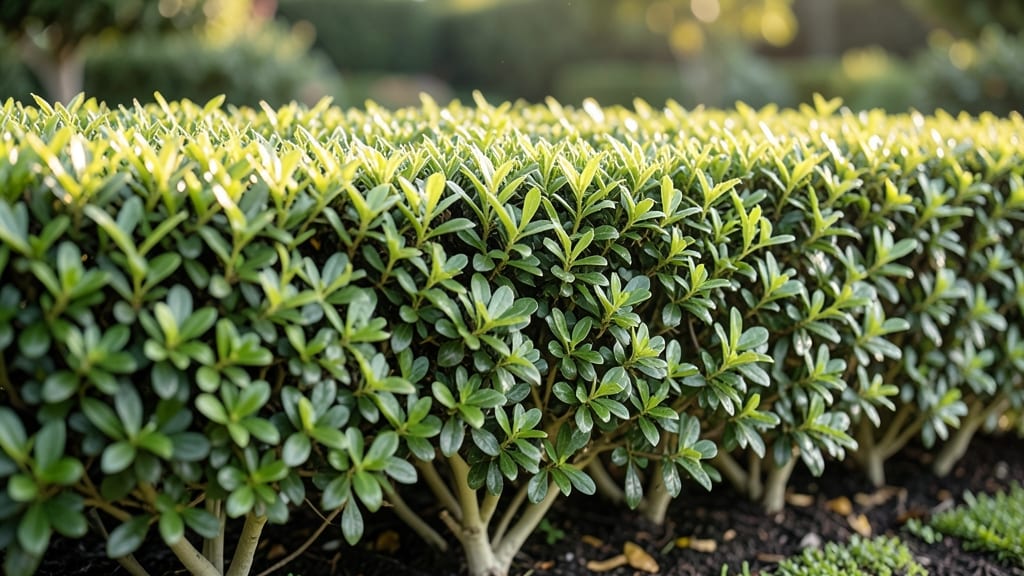
Your boxwood hedges could be losing density without you realizing it—mid-summer is the perfect time for a light pruning that boosts growth and prevents winter dieback. Unlike heavy cuts, this technique focuses on strategic trims to encourage fuller foliage while keeping the classic, structured look of formal gardens.
Use sharp shears to trim just the tips of new growth, never removing more than one-third of the plant at once. Aim for a slight inward angle on cuts to promote branching and avoid exposing old wood. This method works best in late July or August, when heat stress is less severe and plants can recover quickly before winter.
Perfect for gardeners with topiary designs or clean-lined hedges, this approach keeps your boxwoods lush and healthy with minimal effort. Your hedges will thank you with vibrant, year-round greenery! 🌿
Fall Cleanup Pruning for Hydrangeas
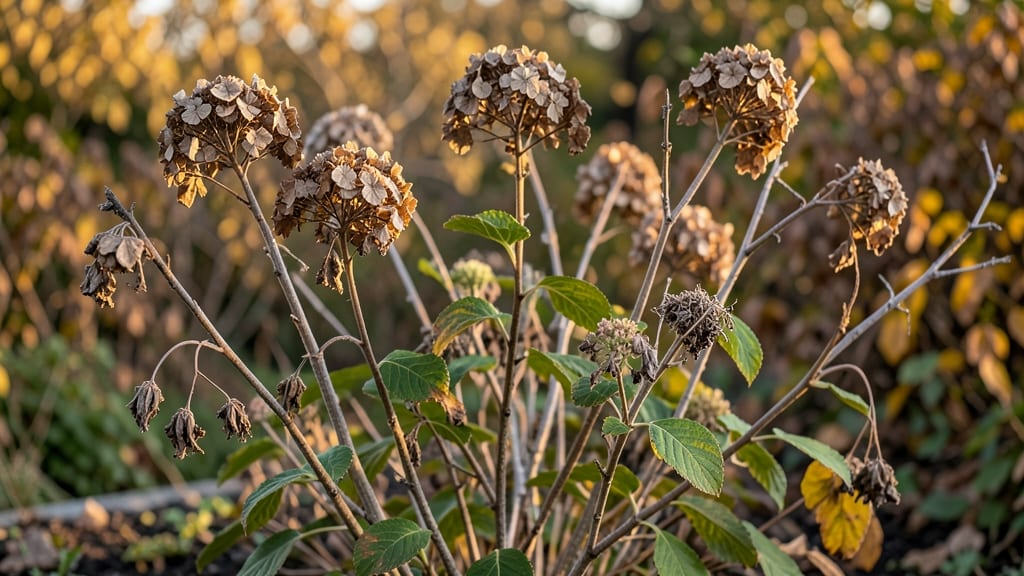
Your hydrangeas are sending you a silent SOS this fall—those faded blooms and leggy stems are sapping energy they could use to survive winter and burst back in spring. A quick cleanup now ensures next year’s flowers will be bigger, brighter, and more abundant.
Start by snipping off spent flower heads (the papery clusters) down to the first set of strong leaves or buds. Then, remove any weak, crossing, or diseased stems at the base—this redirects the plant’s resources to healthy growth. For reblooming varieties like 'Endless Summer,' avoid heavy pruning now to preserve next season’s buds. Mulch afterward to protect roots from frost.
This 10-minute task is a game-changer for gardeners who want year-round hydrangea beauty without the winter stress. Your plants will thank you with lush foliage and dramatic blooms come spring. 🌻
Renovative Pruning for Overgrown Lilac Shrubs
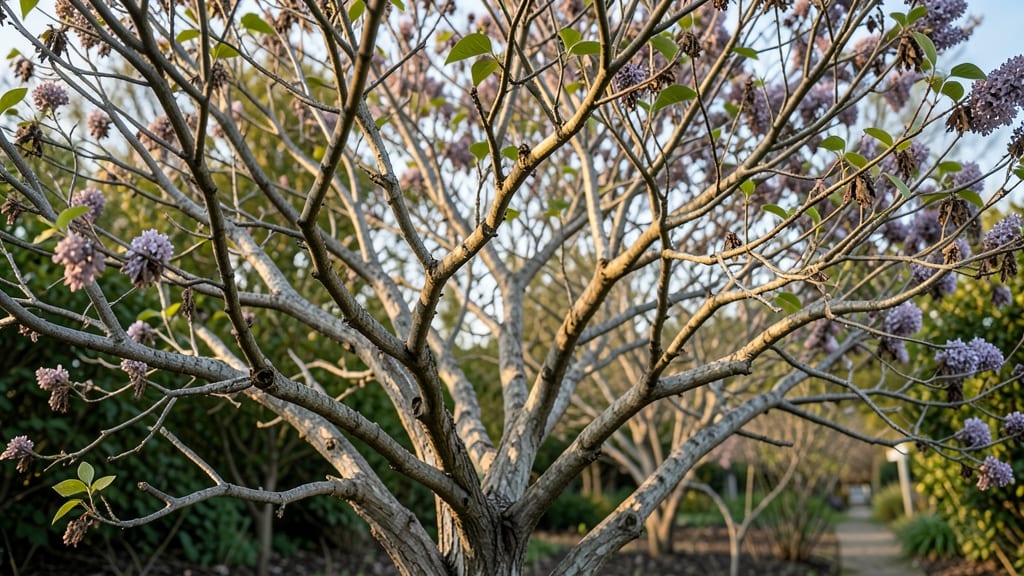
That lilac bush lurking in your garden—tall, leggy, and full of tangled branches—can be transformed into a fragrant, bushy powerhouse with just one bold move. Renovative pruning isn’t just for struggling shrubs; it’s the secret to bringing back old favorites that have lost their shape and vigor over the years.
Cut back lilacs to the ground in late winter or early spring (before buds swell) to trigger vigorous new growth from the base. Use clean, sharp shears to make angled cuts just above a bud or lateral branch, and don’t worry about losing flowers this year—you’ll get a fuller, more abundant bloom next season. Mulch the base afterward to protect emerging shoots from frost and retain moisture.
This technique is a game-changer for gardeners who’ve inherited neglected landscapes or simply want to refresh tired shrubs. Perfect for urban gardens with limited space or heritage gardens, renovative pruning turns "ugly ducklings" into showstoppers. 🌷
Pinching Technique for Young Holly Shrubs
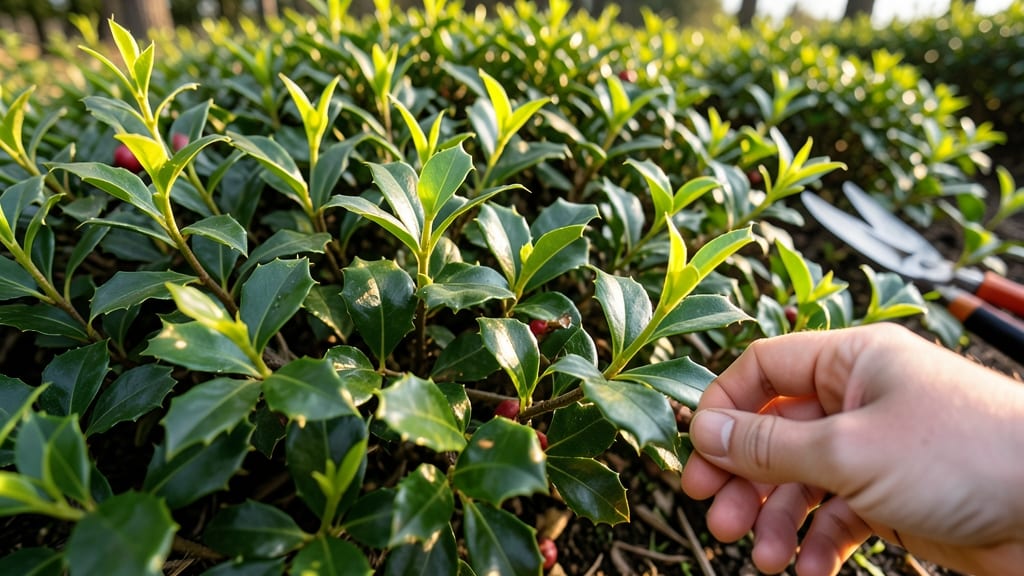
Skip the shears for your young holly shrubs—your fingers are the secret weapon for bushier, denser growth. This gentle pinching technique redirects energy to side branches, creating the perfect foundation for lush hedges or privacy screens without harsh cuts.
Simply pinch off the tips of new growth with your thumb and forefinger when shoots reach 6-8 inches, focusing on the outer edges. Do this in early summer when growth is vigorous but before wood hardens. Holly responds beautifully to this method, producing three to four times more side branches than unpinched plants.
This technique is especially valuable for gardeners planning year-round privacy screens or formal hedges. Beginners will love how it eliminates the need for heavy pruning later—just a few minutes of pinching now saves hours of shearing down the road. 🌿
Thinning Pruning for Maple Trees
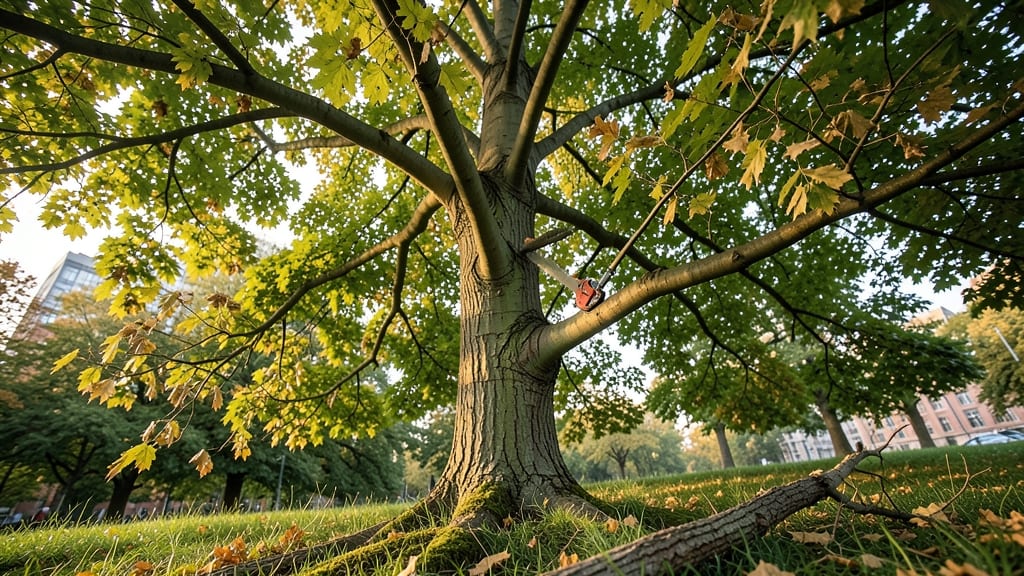
If your maple trees look like they’re struggling with dense, shaded interiors, thinning pruning is the solution. This technique removes entire branches—starting from the bottom—to let sunlight reach the inner canopy, which is especially vital for large maples in parks or urban yards.
Focus on branches that are thinner than a pencil or growing straight upward, as these compete with stronger limbs. Make cuts just outside the branch collar (the swollen area where the branch meets the trunk) to prevent damage. Aim to remove no more than 25% of the canopy in one session to avoid stressing the tree. This opens airflow, reducing disease risks like powdery mildew and promoting healthier foliage.
Perfect for homeowners with mature maples or park maintenance crews, thinning pruning keeps these iconic trees thriving for decades. 🌟
Layering Pruning for Propagating Dogwood
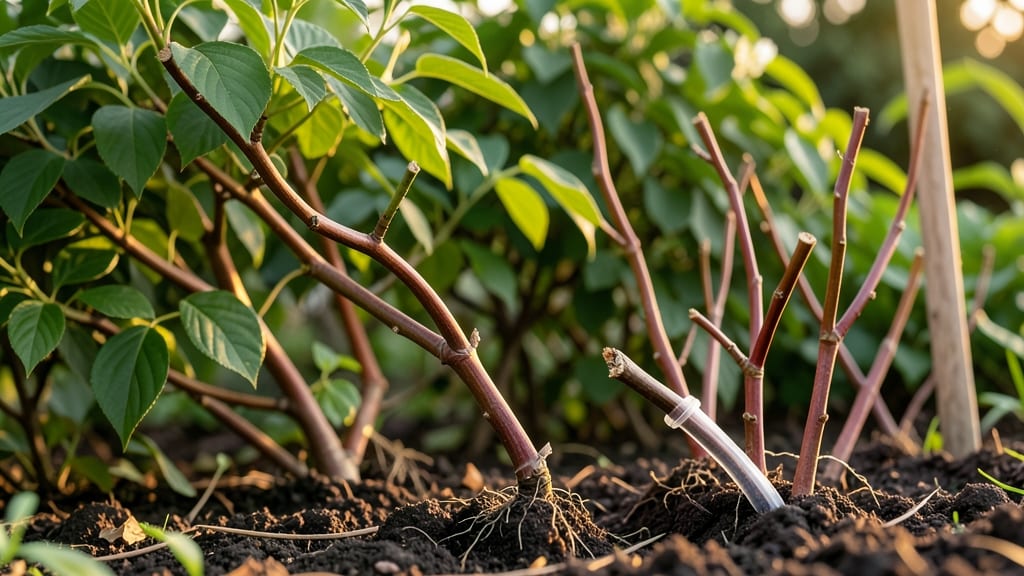
Want to multiply your favorite dogwood varieties without spending a dime? Layering pruning turns stems into self-rooting clones—no greenhouses or fancy tools required. This simple technique works best with flexible, semi-hardwood stems, like those found on Cornus florida or Cornus kousa, and produces identical plants with the same stunning foliage and flowers.
Start in late spring or early summer when new growth is about pencil-thick but still pliable. Select a healthy stem, make a small slit (about 1/3 of the way through), then bend it downward and peg it to the soil with a U-shaped wire or stone. Keep the layered section moist and shaded until roots form—usually in 6-8 weeks. Once roots establish, sever the connection and transplant the new plant.
This method is perfect for gardeners who love dogwood’s seasonal interest but hate buying new plants. It’s also ideal for urban gardeners with limited space, as you can propagate directly in the ground. Just remember: patience is key—root development takes time, but the payoff is worth it! 🌱
Deadheading Pruning for Roses
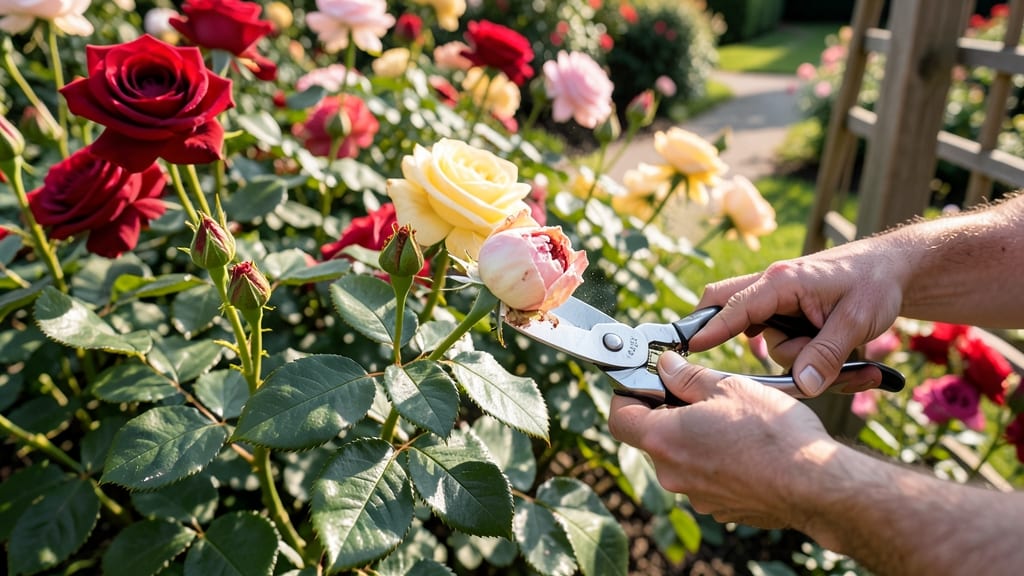
Want a rose garden that blooms nonstop from spring to frost? Deadheading is your secret weapon—removing spent blooms redirects energy to fresh buds, keeping your roses in peak performance all season long.
Use clean, sharp pruners to snip just above a five-leaflet leaf (the first healthy leaf below the bloom) to prevent disease entry points. For hybrid teas and grandifloras, deadhead daily during peak bloom; climbing roses and shrub roses benefit from weekly checks. Avoid cutting into woody stems—stick to flower removal only.
This technique isn’t just for showy roses: it strengthens stems, reduces pests, and extends your garden’s color season by 6-8 weeks. Perfect for container gardens, borders, or trellises where space (and blooms) matter most. 🌻
Hedge Shape Pruning for Privet Shrubs

Tired of hedges that look patchy or uneven? Privet shrubs are the secret weapon for creating sleek, noise-reducing barriers that require minimal upkeep once you master the right pruning technique. Their dense foliage naturally muffles sound while providing year-round structure—perfect for urban yards or rural property lines.
Use curved shears to follow the natural growth pattern of the shrub, cutting at a slight angle to create seamless, professional-looking edges. Prune twice a year: a light shaping in late spring after new growth appears, and a more precise trim in early fall to prepare for winter. Avoid cutting into old wood, as privet struggles to regrow from mature stems—stick to the freshest growth for the cleanest results.
This method works best for gardeners who want low-maintenance privacy without the fuss of frequent trimming. With just a few sessions a year, you’ll have a lush, uniform hedge that stands out in any landscape. 🌿