
Container Gardens
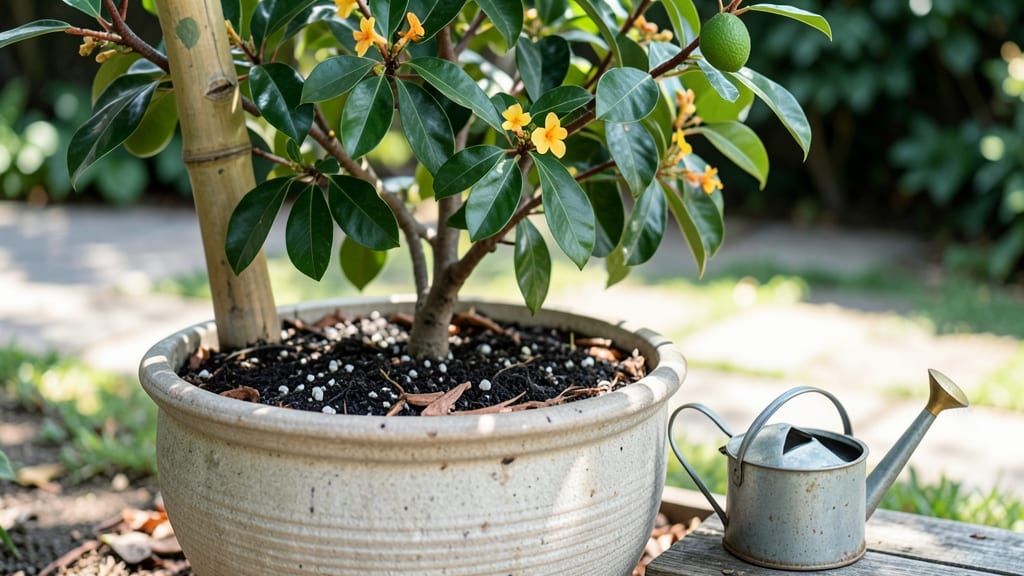
You can grow a mango tree in a pot using dwarf varieties like 'Cogshall' or 'Ice Cream,' but it requires full sun exposure, well-draining soil, and a container of at least 15 gallons. Regular pruning and frost protection are essential for maintaining health and productivity.
Growing mango trees in containers is absolutely doable, especially with compact varieties that stay manageable in size. 🌱 The key lies in selecting the right cultivar—dwarf varieties are bred to remain small enough for pots while still producing fruit.
These trees thrive in warm climates but can also adapt to cooler regions if given proper winter care, such as moving them indoors or wrapping the pot in insulation.
The container size is critical because mango trees develop extensive root systems, so a spacious pot with drainage holes is a must to prevent root rot.
Beyond the basics, successful container gardening hinges on mimicking the tree's natural tropical environment. This means using a well-draining soil mix with added organic matter, watering consistently but avoiding soggy conditions, and providing balanced fertilization during the growing season.
With these elements in place, you can enjoy fresh mangoes right from your patio or balcony!
💡 In This Article
- Best Mango Tree Varieties for Container Gardening
- Essential Container Care Tips for Potted Mango Trees
Best mango tree varieties for container gardening
Dwarf mango varieties like 'Cogshall' and 'Ice Cream' are specifically bred to thrive in containers due to their compact growth habits. These cultivars stay under 10-15 feet tall when grown in pots, making them ideal for patios or balconies.
The genetic trait that makes them perfect for containers is their reduced apical dominance—a growth pattern where the main stem grows slower, allowing for more controlled height and bushier canopies. 🌿 This trait also means they develop a stronger root system relative to their size, which is crucial for stability in pots.
'Cogshall' is particularly hardy, tolerating temperatures down to 25°F for short periods, while 'Ice Cream' produces sweet, creamy-fleshed fruit that ripens earlier than many other varieties. Another excellent choice is 'Little Gem,' which matures in 3-5 years and produces small but flavorful fruit perfect for container growing.
The key difference between these varieties lies in their cold tolerance and fruit characteristics—'Cogshall' is more frost-resistant, while 'Ice Cream' offers superior taste but needs slightly warmer conditions.
When selecting a variety, consider your climate zone. In USDA zones 9-11, most dwarf varieties thrive outdoors year-round, while in cooler zones (7-8), you'll need to overwinter the pot indoors or in a greenhouse.
The rootstock used in grafting also plays a role—dwarfing rootstock like 'Grafton' or 'Cogshall' rootstock helps control the tree's size while improving disease resistance. This is why nurseries often recommend grafted dwarf trees for container growing.
For indoor growing, varieties like 'Julie' or 'Keitt' (when grafted onto dwarfing rootstock) can work, but they'll require supplemental grow lights to simulate full sun. These indoor varieties produce smaller fruit but still deliver that signature tropical flavor.
The trade-off is slower growth and reduced fruit production compared to outdoor-grown trees, but the convenience of having a mango tree indoors is worth it for many gardeners. 🌱
One common misconception is that all dwarf mango trees produce the same quality fruit. In reality, the size of the pot directly impacts fruit production—trees in 20+ gallon containers yield more consistently than those in smaller pots.
This is because the root system has more space to develop, allowing the tree to support heavier fruit loads. Always choose a variety that matches both your space and climate constraints.