
Neem Oil
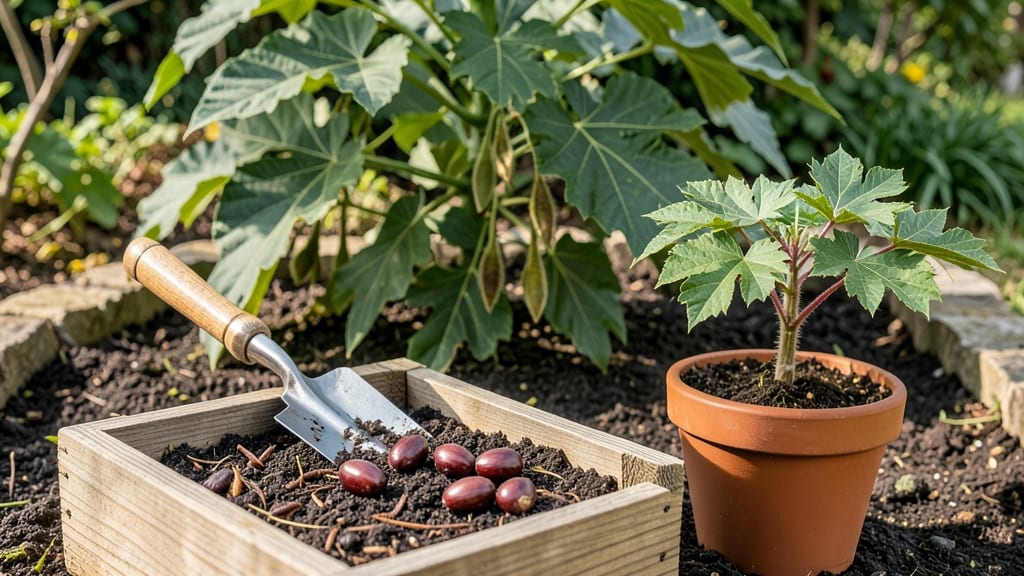
Cold-stratifying castor oil tree seeds for 4 weeks is the secret to breaking their stubborn dormancy and getting them to sprout reliably. 🌱 I’ve battled with these seeds for years—some sources say they’re easy, others claim they’re nearly impossible—but the cold treatment works like magic when done right.
The key is patience and precise conditions that mimic their natural winter cycle.
You’ll need just three things: a sealed plastic bag with a damp paper towel, a refrigerator, and a warm sunny window. The seeds must stay moist but not soggy during those 4 weeks in the fridge, then move to warmth and light to trigger germination.
Most gardeners skip this step and end up with seeds that never sprout—or take months to break through.
Once they sprout, those first leaves are shockingly fast—sometimes within 3-5 days of moving them to warmth. The seedlings grow aggressively, so be ready to transplant them into 3-4 inches of rich soil by their second set of true leaves.
They’ll reward you with 6-foot-tall plants by summer if you give them enough space and sunlight.
This method works best in USDA Zones 8-11, but even cooler climates can try it indoors. The biggest mistake? Overwatering the seeds after they sprout—root rot is the silent killer of young castor oil plants.
With the right approach, you’ll have a thriving specimen in just a few months, not years.
📚 In This Guide
- What you need
- Instructions
- Tips and common mistakes
- Wrapping up and next steps
What you need
- ● Castor oil tree seeds: 5–10 fresh, plump seeds (ensure they’re labeled or sourced from a reputable supplier).
- ● Cold-stratification setup: 1 small plastic bag (resealable, quart-sized) or a damp paper towel.
- ○ 1 zip-top bag (optional, for extra moisture retention).
- ● Growing medium: 1–2 small pots (4–6 inches wide) filled with well-draining potting mix (cactus/succulent mix works great).
- ● Water: Room-temperature, filtered water (or rainwater if available).
- ● Refrigerator: A standard fridge set to 34–40°F (1–4°C) for stratification.
- ○ Grow lights or sunny windowsill: A south-facing window or a 12–16" LED grow light (optional but helpful for seedlings).
- ● A seedling heat mat (70–75°F) to speed up germination after stratification.
- ● Humidity dome or plastic wrap to keep soil moist during early growth.
- ● pH testing kit (ideal soil pH: 6.0–7.5 for castor oil trees).
- ● Fertilizer (balanced 10-10-10 or organic compost) for post-germination care.
How to cold-stratify castor oil tree seeds for reliable germination
Castor oil tree seeds need a little winter magic to wake up. Here's my foolproof method for breaking dormancy in just 4 weeks.
🌱 Step 1: Soak Seeds for 24 Hours
Place 4 castor oil tree seeds in a small bowl and cover them completely with lukewarm water. The outer shell is tough, soaking softens it and speeds up germination. Let them soak overnight—24 hours max—or they'll start to rot.
After soaking, gently rub the seeds between your fingers to remove any loose outer coating. This helps water penetrate faster. You'll see the seeds swell slightly—that's a good sign they're ready for the next step. Don't skip this; dry seeds take months to germinate.
❄️ Step 2: Cold-Stratify in Moist Peat Moss
Fill a small plastic container or resealable bag with 1 cup damp peat moss. The mix should feel like a wrung-out sponge—moist but not dripping. Place the soaked seeds about 1 inch apart in the peat moss, then cover them completely with another ½ inch of damp moss.
Seal the container and store it in your refrigerator's crisper drawer, where temperatures stay 35-45°F. Check the moss every 7-10 days—if it feels dry, mist it lightly with water. Cold stratification mimics winter conditions, breaking the seed's natural dormancy. You'll know it's working when tiny white roots appear after 2-3 weeks.
☀️ Step 3: Warm Up and Plant
After 4 weeks in the fridge, remove the container and let the seeds sit at room temperature for 24 hours to warm up. This gradual transition prevents shock. Plant each seed 1 inch deep in individual 4-inch pots filled with well-draining potting mix.
Water gently until moisture seeps from the drainage holes, then place the pots in a warm, bright spot with indirect light. Avoid direct sun at first—new seedlings are sensitive. Germination should happen within 7-14 days after planting. If nothing sprouts after 3 weeks, try soaking fresh seeds and repeating the cold treatment.
🌿 Step 4: Transplant and Care for Seedlings
Once seedlings reach 3-4 inches tall and have 2-3 true leaves, transplant them into 6-inch pots with fresh potting mix. Castor oil trees grow fast, so give them room. Place them in a spot with 6+ hours of bright, indirect light daily—a south-facing window works well.
Water when the top inch of soil feels dry, but never let them sit in soggy soil. Overwatering causes root rot, which kills seedlings quickly. Fertilize lightly with a balanced liquid fertilizer every 4-6 weeks once they're established. You'll see strong, healthy growth within 8-12 weeks.
Tips & tricks for perfect castor oil tree germination
Here's what nobody tells you about making this process foolproof—trust me, these little details make all the difference.
Soaking Secret: Use lukewarm water (not hot) for the 24-hour soak—hot water can cook the seeds from the inside out. I like to use a glass bowl so I can see the seeds swell slightly after 12 hours. If they're still hard after 24 hours, give them a quick rub between your fingers to break the outer shell, but don't overdo it or you'll damage the seed.
Moisture Management: The peat moss should feel like a wrung-out sponge during the 4-week cold stratification—neither bone dry nor dripping wet. I check it every 7-10 days and mist lightly if needed. Too much moisture causes rot, while too little prevents root development. If you notice mold after a week, that's your sign to reduce moisture immediately.
Temperature Consistency: The refrigerator's crisper drawer should stay between 35-45°F—this mimics natural winter conditions. If your fridge runs cooler, you might see roots appear slightly later than the expected 2-3 weeks. Pro tip: Place the container on the middle shelf where temps are most stable, not near the door where temps fluctuate.
Light Transition: When you move seeds from the fridge to room temperature for that final 24-hour warm-up, place them in indirect light. Direct sun at this stage can shock the seeds and prevent germination. After planting, wait until you see sprouts before moving to brighter light—patience here prevents seedling stress.
Pro Tips for Castor Oil Tree Seeds
- Here's what nobody tells you about making this process foolproof—trust me, these little details make all the difference.
- Soaking Secret: Use lukewarm water (not hot) for the 24-hour soak—hot water can cook the seeds from the inside out.
- Moisture Management: The peat moss should feel like a wrung-out sponge during the 4-week cold stratification—neither bone dry nor dripping wet.
Frequently asked questions
Got questions about growing castor oil tree seeds? You’re not alone! Here are answers to the most common queries—from germination tips to troubleshooting—so you can get those seeds sprouting like a pro.
How long does it take for castor oil tree seeds to germinate?
With cold stratification, most castor oil tree seeds sprout within 2–4 weeks. If you’re not using stratification, germination can take 3–6 weeks—or even longer in cooler conditions. Patience is key! Monitor moisture levels to speed things up.
Do I need to soak castor oil tree seeds before planting?
Soaking isn’t required, but it can reduce germination time by softening the hard outer shell. Soak seeds in warm water for 24 hours before stratification. Just avoid over-soaking—they shouldn’t float or smell funky!
What if my seeds don’t sprout after stratification?
Don’t toss them yet! Try re-wetting the paper towel and returning them to the fridge for another 1–2 weeks. If they still refuse to sprout, they may be non-viable. Test a few seeds in warm water—if they sink and stay firm, they’re likely still good.
Can I grow castor oil trees from seeds indoors?
Start seeds in small pots with well-draining soil after stratification. Keep them in a sunny window or under grow lights until they’re 3–4 inches tall, then transplant outdoors (or keep indoors if you’re in a warm climate). Just ensure they get 6+ hours of light daily!
Are there alternatives to cold stratification for castor oil seeds?
Yes! If you skip stratification, try scarification (lightly sanding the seed coat) or heat treatment (soaking in warm water for 48 hours). However, cold stratification remains the most reliable method for consistent, fast germination. Experiment to see what works best for your seeds!
Wrapping up and next steps
Growing castor oil tree seeds through cold-stratification is a rewarding way to cultivate this hardy and versatile plant in just four weeks! 🌱 With the right materials—like a damp paper towel, ziplock bag, and patience—you’ve got everything you need to kickstart germination.
Whether you’re aiming for medicinal benefits, ornamental value, or even biofuel potential, this method makes it simple and efficient.
Ready to take the next step? Once your seeds sprout, transplant them into well-draining soil and give them plenty of sunlight. Watch your castor oil tree grow into a thriving addition to your garden or homestead—you’ve got this! 🌿✨