
How To
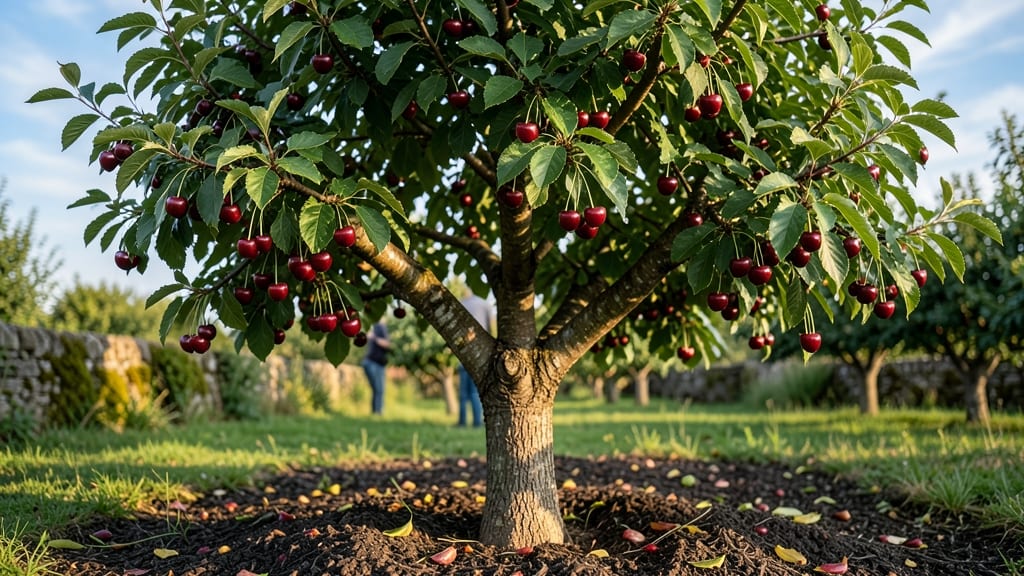
How tall does a cherry tree grow? It ranges from 8 feet for dwarf varieties to over 40 feet for standard types, making them a flexible choice for any yard or patio.
If you’ve ever dreamed of enjoying fresh, homegrown cherries but worried about limited space, understanding cherry tree height variations is your first step to success—whether you have a sprawling backyard or just a small urban patio.
Dwarf varieties like Stella® stay compact, perfect for containers or tight spaces, while semi-dwarf types like Montmorency reach 12-18 feet, ideal for small gardens. Standard cherry trees, however, can tower like skyscrapers, requiring ample room to thrive.
In this guide, you’ll discover how to pick the right size for your space, compare growth rates, and learn pruning tips to keep your 🍒 tree at the perfect height for years of sweet harvests.

Cherry tree height variations: dwarf, semi-dwarf, and standard sizes explained
Choosing the right cherry tree height is crucial for maximizing fruit production while fitting your space. Whether you have a cozy urban balcony or a spacious backyard, understanding dwarf, semi-dwarf, and standard varieties will help you select the perfect fit.
Each type offers unique benefits, from easy harvests to long-term growth potential.
Dwarf cherry trees typically mature between 6 and 10 feet, making them ideal for containers or small gardens. Semi-dwarf varieties reach 12 to 16 feet, offering a balance between manageable size and higher yields.
Standard cherry trees, on the other hand, can grow 20 to 30 feet tall, dominating larger landscapes with abundant fruit production.
Here’s a quick comparison to visualize the differences:
Dwarf cherry trees are perfect for those with limited space, as they grow slowly and can even thrive in large containers. Their compact size makes them easier to prune and harvest, while still producing high-quality fruit. Varieties like Stella® or Lapins are popular choices for small spaces.
Semi-dwarf varieties strike a balance, offering more fruit production than dwarfs while remaining manageable. They require slightly more space—about 10–12 feet of clearance—but deliver larger harvests and a longer lifespan. These trees are great for backyard orchards where you want a mix of convenience and productivity.
Standard cherry trees are the classic choice for traditional gardens and rural properties. Their taller stature means they need ample space to grow, but they produce the most fruit and have the longest lifespan.
If you have a spacious yard or orchard, a standard tree like Bing or Rainier will reward you with abundant harvests for decades.
When selecting a cherry tree, consider your available space, sunlight exposure, and long-term maintenance goals. Dwarf and semi-dwarf varieties require less pruning and are easier to manage, while standard trees need regular upkeep to keep them healthy and productive. Always check the specific variety’s requirements before planting.
For container gardening, dwarf varieties are the best fit, but ensure your pot is at least 18 inches deep and has drainage holes. Semi-dwarf trees can also work in large containers, but they’ll need more frequent watering and nutrients.
Standard trees are best planted directly in the ground with plenty of room to spread their roots.
Remember, cherry trees need full sun exposure (6+ hours daily) and well-draining soil to thrive. Whether you choose a dwarf, semi-dwarf, or standard variety, proper care will ensure a bountiful harvest year after year. With the right selection, you’ll enjoy fresh cherries without sacrificing space or beauty in your garden.
Best cherry tree varieties for small spaces and their growth habits
If you love cherries but have limited space, dwarf and semi-dwarf varieties are your best bet. These compact trees grow just 6-16 feet tall, making them perfect for urban yards, patios, or even large containers.
The key is choosing a variety that matches your climate zone and sunlight conditions while still delivering sweet, juicy fruit.
I’ve grown several varieties myself, and the Stella® cherry stands out for its 8-10 foot mature height and self-pollinating nature. It’s ideal for small gardens because it produces abundant fruit without needing a second tree.
For sour cherries, Montmorency is a top pick, reaching 12-15 feet and thriving in cooler climates.
Cherry Tree Varieties: Height & Care Comparison
- ✅ Height: 8-10 ft
- ✅ Type: Sweet, self-pollinating
- ✅ Cold Hardiness: Zones 5-8
- ✅ Yield: Heavy producer
Perfect for small yards, containers, or patios.
- ✅ Height: 12-15 ft
- ✅ Type: Sour, needs pollinator
- ✅ Cold Hardiness: Zones 4-7
- ✅ Yield: Reliable
Great for pies and preserves; thrives in cooler areas.
- ✅ Height: 6-8 ft
- ✅ Type: Sweet, self-pollinating
- ✅ Cold Hardiness: Zones 5-9
- ✅ Yield: Moderate
Dwarf option for containers; early ripening.
Pro Tip: Plant dwarf varieties in well-draining soil with 6+ hours of sun for best results. Use support stakes if growing in containers.
For urban gardeners, the Lapins cherry is a game-changer. It tops out at just 6-8 feet, making it ideal for balconies or small yards. I planted one in a 20-gallon container last year, and it produced dozens of sweet cherries—proof that size doesn’t limit yield.
Just be sure to prune regularly to maintain its compact shape.
When selecting a variety, prioritize cold hardiness if you live in Zone 4 or below. The Montmorency handles frost better than most sweet varieties, while Stella® thrives in warmer climates (Zones 5-8). Always check the USDA Zone map before buying to avoid disappointment.
One mistake I see often is underestimating root space. Even dwarf trees need 3-4 feet of root zone. If planting in containers, choose a pot at least 18 inches deep and use fast-draining soil to prevent root rot.
A mulch layer also helps retain moisture and regulate soil temperature.
To maximize fruit production in small spaces, prune in late winter to remove dead or crossing branches. Thin out 10-20% of the canopy annually to improve airflow and sunlight penetration. This keeps your tree healthy and productive while controlling its size naturally.