
Pruning
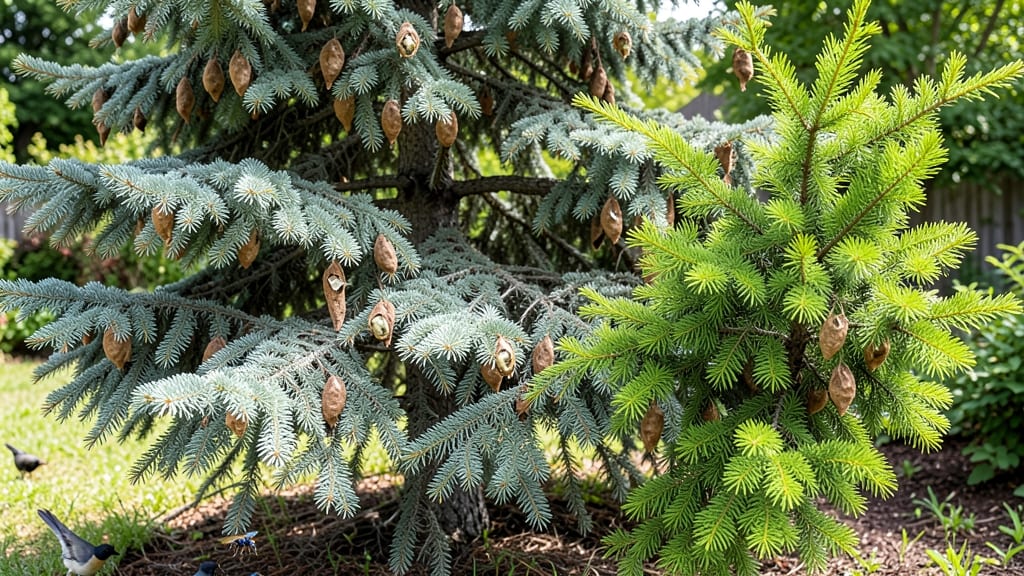
Your cedar trees' once-lush branches now look like they've been attacked by tiny brown spiky caterpillars—those are bagworms, and they multiply fast. ✨ The good news? Natural traps and early action can stop them before they strip your trees bare, saving you from costly treatments later.
These pests hide in protective "bags" made from silk and twigs, making them hard to spot until the damage is visible. The key is catching them young—before they reach the 1-inch mark—when they're most vulnerable to manual removal or organic sprays.
I've seen cedars go from skeletonized to fully recovered in just one season with the right approach. You'll learn how to set up foolproof traps using simple household items, when to prune infected branches, and which organic sprays actually work.
The goal is to break their life cycle without harming bees or butterflies. By summer's end, your trees will look like they did before the invasion ever started. This method works for all cedar varieties and fits any budget—no fancy equipment needed.
Let's get those trees back to their healthy, green selves.
Nature’s Perfect Storm for Pests
Bagworms thrive on cedar trees not by accident, but because these evergreens create an ideal environment for their life cycle. Understanding the why behind their infestation helps homeowners take targeted action to disrupt their cycle. Here’s a breakdown of the key factors that turn cedars into bagworm buffets:
Cedar trees—especially eastern red cedar and juniper—are the primary food source for bagworms (Thyridopteryx ephemeraeformis). Their soft, needle-like foliage is nutrient-rich and easy for larvae to consume. Unlike hardwoods, cedars lack natural defenses like thick bark or toxic compounds that repel pests.
- Why it matters: A single female bagworm can lay 400–1,000 eggs, and if multiple trees are nearby, the population explodes. 🐛💥 - Actionable insight: If your yard has multiple cedars or junipers, they’re essentially a bagworm smorgasbord.
Prune infested branches before eggs hatch (late spring) to starve the next generation.
Bagworms love hot, dry conditions—especially in southern and southwestern U.S. regions. Their silk bags protect them from predators and retain moisture, while warm temperatures accelerate their two-generation-per-year life cycle.
- Why it matters: - Drought stress weakens cedar trees, making them easier targets for larvae. - Lack of rainfall reduces natural predators like parasitic wasps and birds that would otherwise keep populations in check. - Actionable insight: Mulch around cedar bases to retain moisture and reduce stress.
Drip irrigation during dry spells can also deter infestations.
Bagworms face few threats in urban and suburban landscapes because:
- Birds avoid them: Their silk bags camouflage them well, and many birds (like cardinals) aren’t aggressive enough to tear them open.
- Wasps & flies fail: While braconid wasps and tachinid flies parasitize bagworms in wild areas, pesticide use and habitat loss have reduced their numbers in residential zones.
- Fungal diseases are rare: Unlike some pests, bagworms aren’t easily killed by natural fungi due to their protective silk cocoons.
- Why it matters: Without predators, bagworms multiply unchecked, leading to defoliation and tree death within 2–3 years if left untreated.
- Actionable insight: Plant native shrubs (like serviceberry or elderberry) near cedars to attract predator birds. Avoid broad-spectrum pesticides that kill beneficial insects.
Even if bagworms aren’t the initial problem, compromised cedar trees become prime targets. Common stressors include:
- Root competition from lawns or invasive grasses.
- Fungal infections (e.g., cedar rust or aphid infestations).
- Physical damage from hail, construction, or improper pruning.
- Why it matters: A weakened tree can’t fight off pests—its foliage becomes easier to strip, accelerating decline.
- Actionable insight:
- Test soil pH (cedars prefer 6.0–7.0).
- Aerate compacted soil near the tree base.
- Fertilize in early spring with a low-nitrogen, high-phosphorus blend to boost root health.
Originally confined to the southeastern U.S., bagworms are now spreading northward due to:
- Warmer winters (larvae survive cold snaps better).
- Longer growing seasons (more time to feed and reproduce).
- Urban heat islands (cities stay warmer, creating microclimates ideal for pests).
- Why it matters: If you’re in Zones 5–8, you’re now at higher risk—even if you’ve never seen bagworms before.
- Actionable insight: Monitor cedars in early summer (June–July) for pinhole-sized bags—early detection is key to prevention.
Ironically, some common gardening practices make bagworms worse:
- Over-pruning: Removing too many branches stresses the tree, making it more vulnerable.
- Ignoring early signs: Waiting until bags are 1–2 inches long means the larvae are nearly full-grown.
- Using the wrong treatments: Horticultural oils can suffocate eggs, but malathion (a common pesticide) often fails because larvae seal their bags during application.
- Actionable insight: Scout trees weekly in May–June (egg-hatch season). If you see tiny brown bags, act immediately with Bt (Bacillus thuringiensis)—a natural bacteria that kills larvae without harming other insects.
Bagworms don’t attack cedars randomly—they’re drawn by a perfect storm of food availability, climate, and lack of predators. The good news? Disrupting just one factor (like removing egg masses or improving tree health) can severely limit their numbers.
Stay proactive, and you can outsmart these pests before they take over your yard. 🌿💪
Practical Ways to Stop Tree Pests
The sight of bagworms munching away on your cedar trees can be frustrating, but the good news is there are effective, natural ways to tackle them. Below, we’ve mapped out solutions based on the root causes—whether it’s infestation, weak trees, or seasonal outbreaks—and provided actionable steps to reclaim your yard.
If you spot small brown bags (the larvae’s protective casings) or thinning foliage, act fast. Bagworms multiply quickly, so early intervention saves your trees from severe damage.
How to Fix It:
- 🔍 Inspect trees regularly (especially in late spring/early summer) for tiny bags (¼-inch) clinging to branches.
- 📏 Measure infestation size: If bags are larger than a pencil, the larvae are already feeding heavily—time to treat!
- 🌿 Prune heavily infested branches (wear gloves!) and dispose of them in sealed bags (not compost).
Bagworms are drawn to sticky surfaces and pheromone traps. Set these up in early summer when larvae are active but before they pupate.
How to Fix It:
- 🕷️ Sticky band traps:
- Wrap tree trunks with Tanglefoot or tree band traps (available at garden centers).
- Apply 2–3 feet above ground—larvae crawl down to pupate and get stuck.
- Pro tip: 💡 Refresh the sticky substance every 2–3 weeks for maximum effectiveness.
- 🌿 Pheromone traps:
- Hang bagworm-specific traps (like those from Garden Safe) in tree canopies.
- These disrupt mating, reducing next year’s infestation by up to 80%.
- Warning: ⏰ Set traps before larvae emerge (late May–early June).
Chemical sprays can harm beneficial insects, but these natural alternatives work just as well (and are pet-friendly when dried).
How to Fix It:
| Solution | How to Apply | Best For |
|---|---|---|
| 🌿 Neem oil spray | Mix 1 tbsp neem oil + 1 tsp dish soap + 1 quart water. Spray evenly on foliage. | Light infestations (kills eggs/larvae) |
| 🍋 Horticultural oil | Apply 2–3 applications, 5–7 days apart, when temps are above 50°F. | Moderate infestations |
| 🌶️ Spinosad (organic) | Follow label rates—spray at dusk to avoid harming bees. | Heavy infestations |
Pro tip: 🌡️ Timing is key! Spray when larvae are small (1–2 inches)—they’re less armored and absorb treatments better.
For small trees or light infestations, hand-picking is the most eco-friendly method.
How to Fix It:
- 🧤 Wear gloves (bagworm hairs can irritate skin).
- 🪒 Use pruners or a stick to dislodge bags from branches.
- 🗑️ Drop them into soapy water (or a sealed bag) to kill them instantly.
- 🌳 Focus on new growth—larvae prefer tender leaves.
Warning: ⚠️ Don’t burn bags—they can release irritating hairs into the air!
Stop bagworms from returning with these low-maintenance habits:
- 🌳 Prune regularly: Remove dead/diseased branches (bagworms love weak wood).
- 🐝 Encourage predators: Birds (like chickadees), parasitic wasps, and lacewings eat bagworms naturally.
- 🍂 Clean up fallen bags: Rake up overwintering bags in late fall to eliminate next year’s larvae.
- 🌱 Plant resistant species: If possible, add juniper, arborvitae, or spruce—bagworms prefer cedar but may avoid these alternatives.
Final Thought: Consistency is key! Combine traps, sprays, and manual removal for the best results. With patience, your cedar trees can bounce back—and stay bagworm-free for years. 🌿✨
Frequently asked questions
How do I tell if my cedar tree has bagworms?
Look for small, brown, cone-shaped bags attached to branches—these are the larvae's protective casings. In early stages, they're about ¼-inch long and may look like tiny pinecones. Later, they grow to 1–2 inches and turn more distinctively brown. Check for thinning foliage or skeletonized branches (where only the veins remain).
When is the best time to treat bagworms?
Act in late spring to early summer (May–June) when larvae are small (1–2 inches) but before they pupate. This is when they're most vulnerable to treatments. Never wait until fall—larvae will have already caused significant damage by then. Early intervention is key to stopping their life cycle.
Are bagworms harmful to humans or pets?
Bagworm hairs can irritate skin or cause mild allergic reactions in sensitive individuals, but they're not toxic. For pets, avoid letting them chew on infested branches or bags. The real danger is the tree damage—severe infestations can kill cedars over 2–3 years. Always wear gloves when handling bags or pruning.
Will bagworms kill my cedar tree?
Yes, if left untreated. Heavy infestations can completely defoliate cedars, weakening them and making them susceptible to disease or death. However, early action (like pruning infested branches or using Bt spray) can save your tree. Monitor closely—bagworms multiply quickly, so don't wait until you see major damage.
Can I use vinegar to kill bagworms?
No, vinegar won't effectively kill bagworms. It can harm the tree's foliage and won't penetrate their protective silk bags. Instead, use Bt (Bacillus thuringiensis)—a natural bacteria that kills larvae when ingested—or neem oil for organic control. Always follow label instructions for the best results.